Beirut (Diplomat.so) – Lebanese political sources revealed on Friday, that senior Lebanese officials are conducting high-level consultations in Beirut to draft a negotiation paper ahead of expected talks with Israel, outlining positions described as fixed and non-negotiable by Lebanese authorities.
According to informed political sources, the draft includes demands for a ceasefire, cessation of Israeli military actions, full withdrawal from Lebanese territory including occupied areas, release of Lebanese detainees and prisoners held in Israel, return of displaced residents to southern border villages, and reconstruction programs. The sources added that discussions also cover land and maritime border demarcation, alongside proposals linked to mutual recognition, which remain contentious within Lebanese politics.
Officials involved in the consultations say the most sensitive issue under review concerns the final form of relations with Israel, particularly any clause that could imply normalization. Political participants warn that such a step could provoke internal divisions and destabilize Lebanon’s fragile political balance, especially amid heightened regional tensions along the southern frontier.
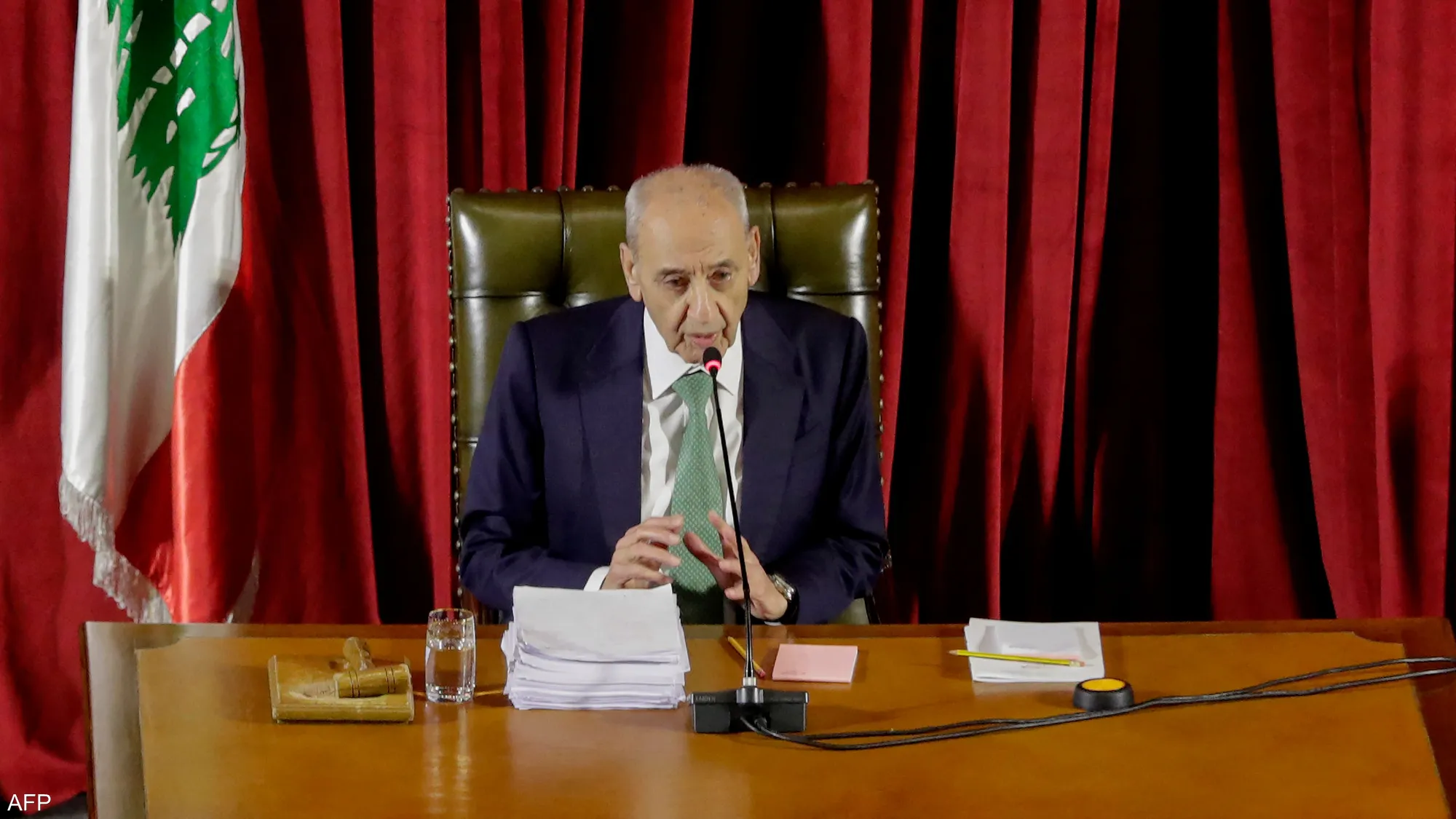
Speaker of the Lebanese Parliament Nabih Berri reaffirmed the importance of national unity during a meeting with a delegation from "Kulluna Beirut” led by former minister Mohammed Choucair. "Civil strife is dormant, may God curse whoever awakens it,” Berri said, adding, "I am Shiite in identity, Sunni in sentiment, and Arab in ultimate belonging.” He stressed that any threat to civil peace would serve external interests and undermine Lebanon’s stability.
A Beirut resident, speaking to Diplomat News Network, described growing public concern over the negotiations, saying: "People are anxious about what these talks could mean for stability. We just want safety and a return to normal life without escalation.”
The emerging framework is widely viewed by observers as potentially resembling United Nations Security Council Resolution 1701, but with expanded provisions reflecting current border and security developments. The discussions come at a time of continued political fragmentation and economic strain in Lebanon.
Analysts say the process reflects Lebanon’s attempt to balance international pressure for de-escalation with domestic sensitivities over sovereignty and resistance to normalization. The outcome is expected to influence internal political alignments as well as regional security dynamics along the Lebanon-Israel frontier in the coming period.