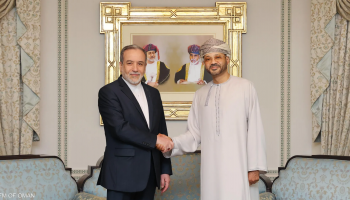
![Iranian Foreign Minister Abbas Araghchi says the Strait of Hormuz falls under the territorial control of Iran and Oman [File: Khaled Elfiqi/AP Photo]](https://diplomat.so/uploads/article/photo/IMG_085FAE-29850B-88D5B3-5A3E7B-36898E-D2545A.png)
Tehran (Diplomat.so) – Abbas Araghchi, Iran's Minister of Foreign Affairs, announced on Friday, that Iran has fully reopened the Strait of Hormuz to commercial shipping during the remaining period of a temporary ceasefire with the United States.
Araghchi said in a statement published on the social platform X that all commercial vessels would be allowed to pass through the strategic waterway using a coordinated maritime route established by the Iranian Ports and Maritime Organization. He did not specify the exact timeline covered by the remaining ceasefire period.
"The passage of ships will continue through the designated and coordinated route already communicated by maritime authorities,” Araghchi stated in his official remarks.
The announcement comes amid a two-week ceasefire agreement between Iran and the United States, which took effect overnight on April 7–8. A separate 10-day ceasefire in Lebanon began late Thursday, aligning with broader regional de-escalation efforts.
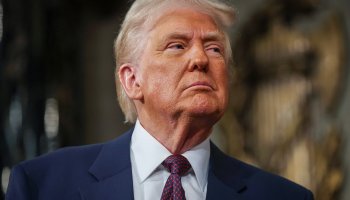
Donald Trump, President of the United States, welcomed the development in a post on his Truth Social platform, describing the reopening as a positive signal for maritime stability. "Iran announces the Strait of Hormuz is open and ready for full ship passage. Thank you!” Trump wrote.
On-the-ground maritime activity increased near the strait by midday Friday, with multiple oil tankers resuming transit routes that had been delayed over the past six weeks. Port officials and shipping coordinators were observed guiding vessels through designated lanes under tightened monitoring procedures, reflecting continued caution despite the ceasefire.
"The reopening reduces immediate logistical pressure, but operators remain alert given the fragile security environment,” said Khalid Mansour, a Dubai-based shipping analyst, speaking to Diplomat News Network.
Global oil markets reacted sharply to the announcement. Prices for Brent Crude dropped by more than 10%, falling to approximately $89 per barrel for June delivery by early afternoon trading. West Texas Intermediate crude also declined by over 11%, reaching around $84 per barrel for May delivery.
Energy trader Lina Kovac, based in Vienna, told Diplomat News Network that "markets had priced in a prolonged disruption risk. The reopening immediately eased supply concerns, triggering a rapid correction.”
The Strait of Hormuz remains one of the world’s most critical energy corridors, with roughly a fifth of global oil supply passing through it daily. The coordinated ceasefire and reopening signal a temporary easing of tensions, though analysts note that sustained stability will depend on continued diplomatic engagement and adherence to ceasefire terms by all parties involved.