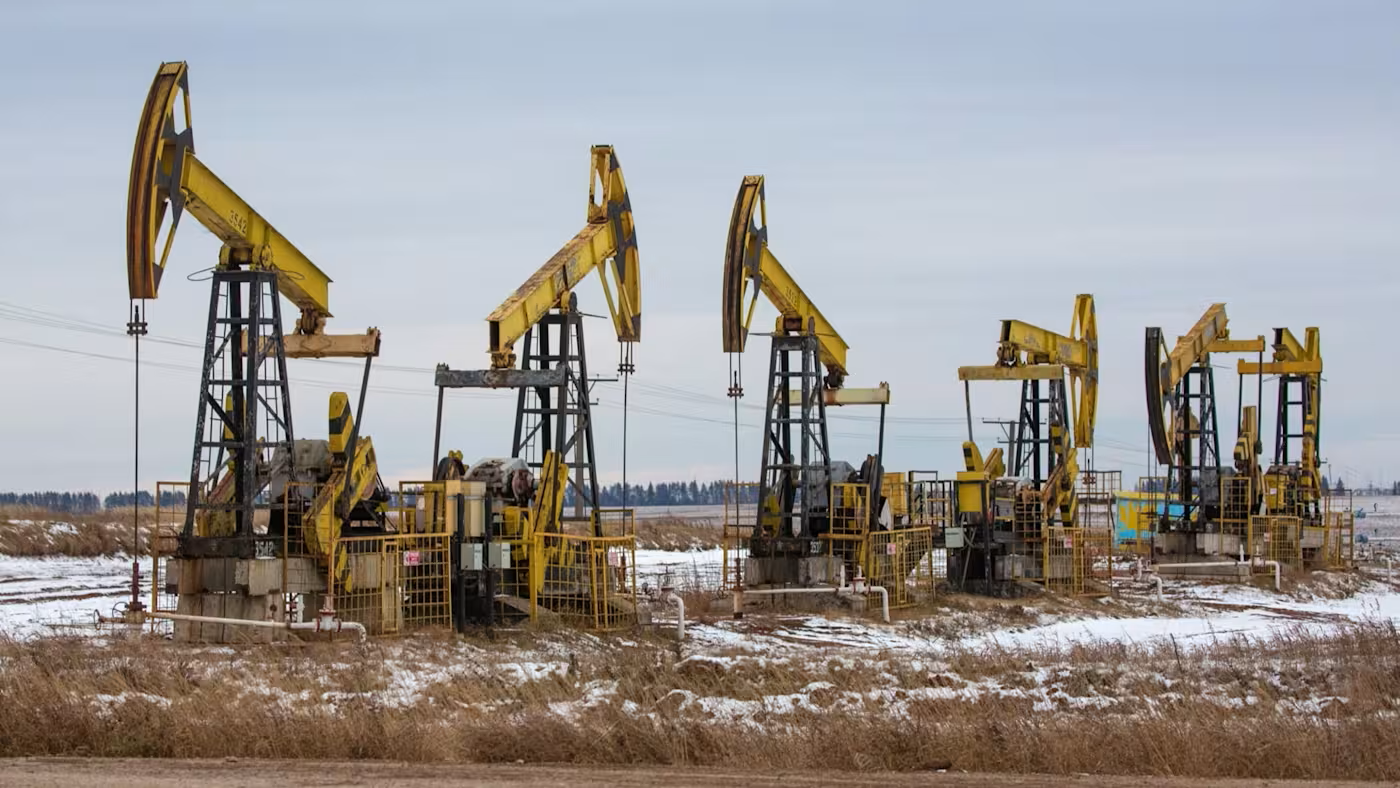
Moscow (Diplomat.so) – The German-Russian Chamber of Commerce reported on Tuesday, that Russia has earned billions of euros in additional revenue from oil, gas, and fertilizer exports due to the effective closure of the Strait of Hormuz.
Matthias Schepp, chairman of the chamber’s board, told the German Press Agency (DPA) that "Russia is the biggest beneficiary of the new war in the Middle East,” highlighting Moscow’s use of alternative export routes that capitalize on rising global commodity prices. "This could provide Russia with an unprecedented financial boost of historic proportions,” Schepp added during a press briefing in Moscow.
According to chamber calculations, Russia’s monthly profits from energy and fertilizer exports exceed €10 billion. If crude oil prices stabilize around $100 per barrel, the country could see an annual revenue increase of $71.8 billion compared with the budget plan.
The price of North Sea Brent crude for June delivery surpassed $111 per barrel at the start of the week, marking a near $40 rise compared to pre-war levels. The Russian budget, by contrast, had been calculated based on $59 per barrel.
Observations in Moscow’s port areas and transit hubs show heightened activity as tankers redirect shipments along alternate routes, indicating operational adjustments aligned with these revenue gains. Analysts note that Moscow’s economy remains heavily dependent on oil and gas export proceeds, which are increasingly being channeled to support its military operations in Ukraine while mitigating the impact of Western sanctions.
Anastasia Orlov, an energy expert, warned that Germany could face economic repercussions from these developments. "With additional gas costs, German industry faces a potential cost shock that may undermine the anticipated economic recovery in 2026,” Anastasia said. The chamber projects that Germany’s oil import bill alone could rise above €60 billion if prices remain near $100 per barrel.
In fertilizers, the chamber estimates Russia could gain up to €8.9 billion in additional revenue, while German farmers may see extra annual costs ranging from €36 to €145 per hectare. The chamber, comprising 750 members, is recognized as the largest foreign economic chamber in Russia, providing detailed assessments of trade dynamics and bilateral economic impacts.
Economic analysts cited by Diplomat News Network note that these revenue shifts underscore the broader geopolitical consequences of the Strait of Hormuz disruption, potentially strengthening Russia’s financial leverage in international energy markets while imposing cost pressures on European consumers and industries.