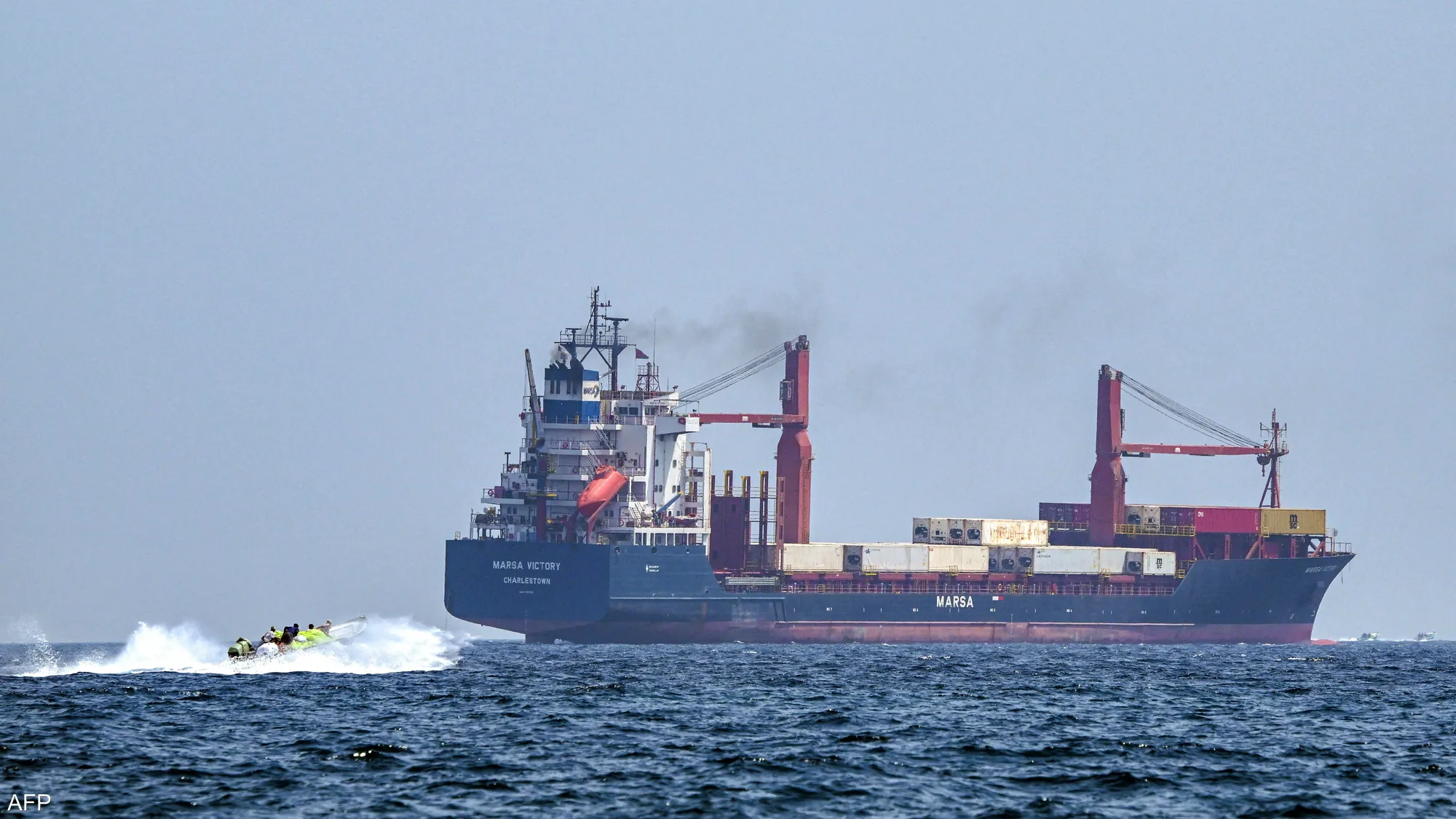
Muscat (Diplomat.so) – United Kingdom Maritime Trade Operations reported a second commercial vessel attack in the Strait of Hormuz on Wednesday, April 22, amid earlier Iranian Revolutionary Guard firing incidents at sea.
Escalation Near Strategic Shipping Lane
The UK Maritime Trade Operations (UKMTO) said it received reports of a developing security incident approximately 15 nautical miles northeast of Oman, where a commercial vessel captain initially observed a fast-approaching craft described as a patrol boat linked to Iran’s Islamic Revolutionary Guard Corps (IRGC).
According to the advisory, the vessel later came under fire, resulting in what officials described as "significant damage” to the ship’s bridge area. No fire or environmental damage was reported, and all crew members were confirmed safe.
In a separate but related incident, UKMTO said another merchant vessel was also targeted while operating in the same broader maritime corridor. The crew reported the ship had been fired upon and subsequently brought to a halt in open waters. No structural damage was immediately confirmed.
A shipping industry source, speaking on condition of attribution, described the situation as "highly unstable and unpredictable,” adding that commercial operators were "reassessing routing decisions in real time due to repeated security alerts.”
Shipping Disruptions
The incidents occurred across one of the world’s most sensitive maritime chokepoints, through which nearly a fifth of global oil shipments pass. Observers reported heightened naval presence in the region, with commercial traffic slowing as vessels adjusted speed or altered routes.
A regional maritime analyst based in the Gulf said vessel operators were "entering a period of sustained uncertainty,” noting that repeated warnings from UKMTO were contributing to "delayed transits and increased insurance premiums.”
Crew members on one of the affected vessels described confusion during the incident, stating the ship "remained stationary in open water following impact alerts.” No casualties were reported in either case.
Maritime Enforcement Operations
Separately, the United States Department of War confirmed it had intercepted a sanctioned, stateless vessel identified as "Tiffany” during a nighttime maritime operation in international waters within the U.S. Indo-Pacific Command area of responsibility.
The Department said the boarding and inspection were conducted "without incident,” adding that the vessel was subject to sanctions for allegedly providing material support linked to Iran.
"We will continue global maritime law enforcement operations to disrupt illicit networks and intercept sanctioned vessels,” the Pentagon said in a statement. "International waters are not a safe haven for entities operating outside international law.”
The U.S. Central Command also confirmed a recent operation involving the detention of another commercial vessel, the "Tosca,” which was accused of failing to comply with repeated instructions during a six-hour engagement.
Iran’s Foreign Ministry, cited by state-linked outlets, condemned the U.S. actions, calling them "illegal and a violation of international law,” and demanded the immediate release of vessels and crew. An Iranian military spokesperson further described the operation as "armed piracy,” while warning of potential retaliation.
Diplomat News Network previously reported that maritime enforcement activity in the region has intensified following expanded sanctions targeting Iranian-linked shipping networks.
Iranian Position
Iranian authorities claimed the detained vessel "Tosca” originated from China and accused Washington of escalating maritime pressure in violation of a recently discussed ceasefire framework. Officials warned that continued interceptions could lead to broader confrontation in the Gulf waters.
An Iranian naval statement said forces were "prepared to respond to any hostile action,” while also noting operational constraints due to civilians reportedly present aboard affected vessels.
Eyewitness accounts from shipping personnel operating near Iranian waters described increased radio warnings and restricted movement zones, with one captain stating the area had become "heavily monitored and increasingly tense.”
Regional Implications
The Strait of Hormuz remains a critical chokepoint for global energy transport, making it a focal point for geopolitical competition and maritime security operations. Recurrent incidents involving commercial vessels, naval forces, and sanctioned shipping networks have raised concerns among shipping insurers and regional trade operators.
Maritime security experts note that overlapping enforcement actions and military signaling have increased the risk of miscalculation. The concentration of naval assets from multiple states in the same operating area has further complicated commercial navigation procedures.
The combination of vessel seizures, armed encounters, and enforcement operations reflects a broader pattern of maritime pressure linked to sanctions enforcement and regional deterrence strategies.