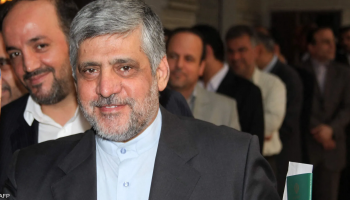
Tehran (Diplomat.so) - Iranian senior security official Ibrahim Azizi warned on Monday, May 4, that any US intervention in the Strait of Hormuz maritime system would be considered a violation of a ceasefire arrangement, amid escalating tensions following Washington's announced naval operation.
In a post on X, Azizi said adjustments to the newly declared maritime framework in the strategic waterway would trigger Tehran’s formal assessment of breach conditions, heightening diplomatic friction with the United States.
He emphasized that Iran views the proposed US-led escort initiative as incompatible with the current security understanding governing the corridor and warned against unilateral changes to maritime arrangements in the region.
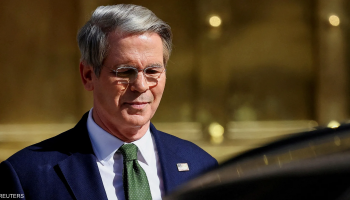
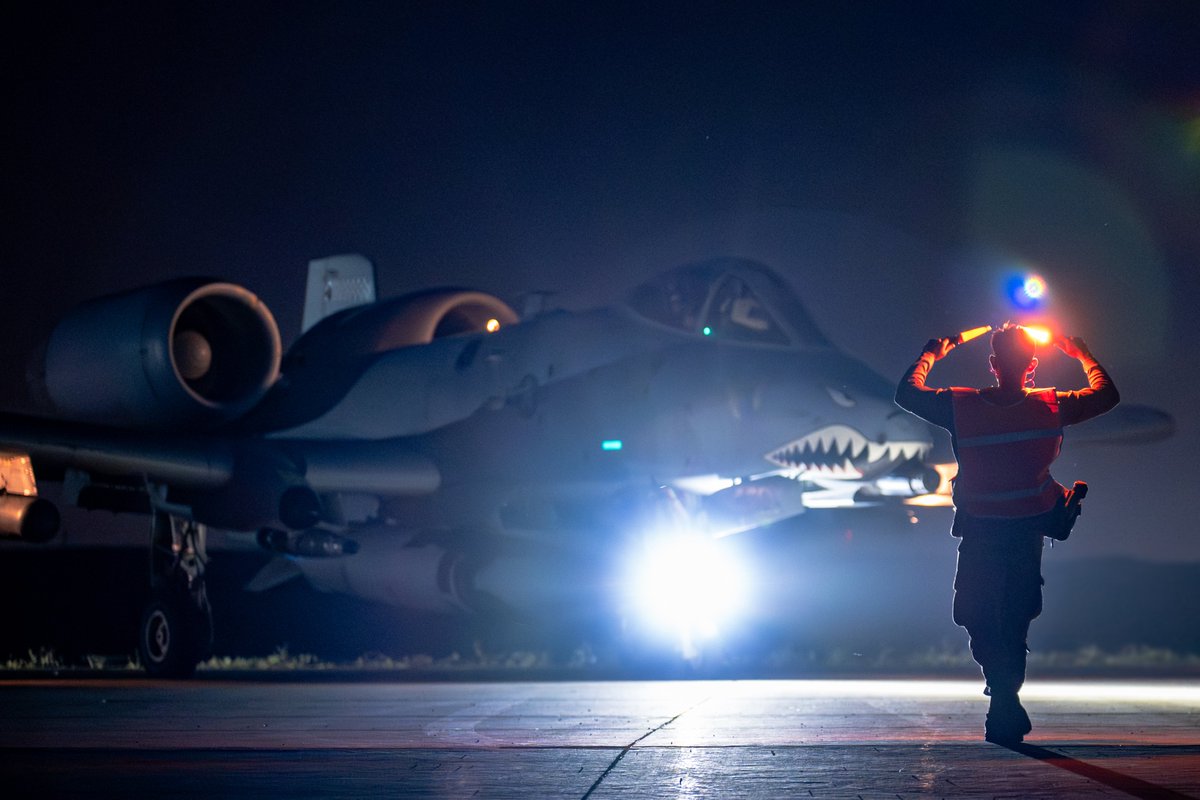
US Central Command confirmed it will support the operation announced by President Donald Trump, deploying more than 100 aircraft, naval destroyers, unmanned systems, and approximately 15,000 personnel. Commander Brad Cooper said the mission is designed to ensure maritime stability and protect commercial navigation through the Strait of Hormuz while maintaining existing enforcement measures.
"Our support for this defensive mission is essential for regional security and the global economy,” Cooper said in a CENTCOM statement. The command added that coordination with international partners is underway to strengthen maritime situational awareness and improve response capacity across Gulf shipping lanes as operational planning advances.
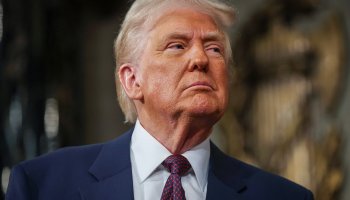
President Donald Trump announced on Truth Social that a US-led operation to "free stranded ships” would begin Monday morning local time, saying several neutral countries had requested assistance to ensure safe passage through the Strait of Hormuz. He stated that the initiative aims to allow commercial vessels to resume transit through what he described as restricted waters, while warning against interference that could disrupt the mission.
Trump wrote that the United States would coordinate safe passage for civilian shipping in response to international appeals, without directly naming participating states, and described the effort as necessary to restore commercial continuity through the corridor.
Maritime operators in the region reported heightened caution among commercial vessels, with tracking data indicating delays and congestion outside key transit lanes approaching the Strait of Hormuz. Several shipping firms adjusted routing schedules as precautionary measures amid increased naval communications and advisory warnings issued overnight.
A regional shipping agent, speaking on condition of attribution, described the situation as "an unusually tense atmosphere with rising uncertainty over transit clearance and security assurances,” noting that captains were awaiting clearer operational guidance before entering the corridor. Local observers also reported intensified radio traffic between vessels and monitoring stations.
The Strait of Hormuz remains one of the world’s most sensitive energy chokepoints, with a substantial share of global oil and liquefied natural gas shipments passing through its narrow maritime corridor. Any disruption to navigation typically affects global energy pricing, insurance premiums, and supply chain stability across multiple regions.
Analysts say the latest exchange between Washington and Tehran underscores the persistent vulnerability of maritime security frameworks in the Gulf, particularly when military signaling intersects with commercial shipping interests and diplomatic uncertainty.
Diplomatic and security analysts note that the parallel announcements reflect a widening gap in interpretation of maritime authority and operational control in the Strait. Diplomat News Network analysis of the statements suggests both sides are positioning their actions within competing legal and security narratives, increasing the risk of miscalculation during active naval deployments.
Experts caution that sustained escalation could place additional pressure on international shipping coordination mechanisms, with broader implications for regional stability, energy flows, and ongoing diplomatic engagement between involved parties.