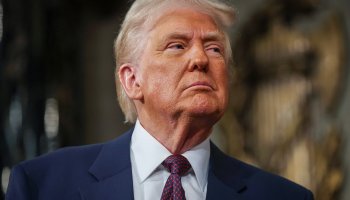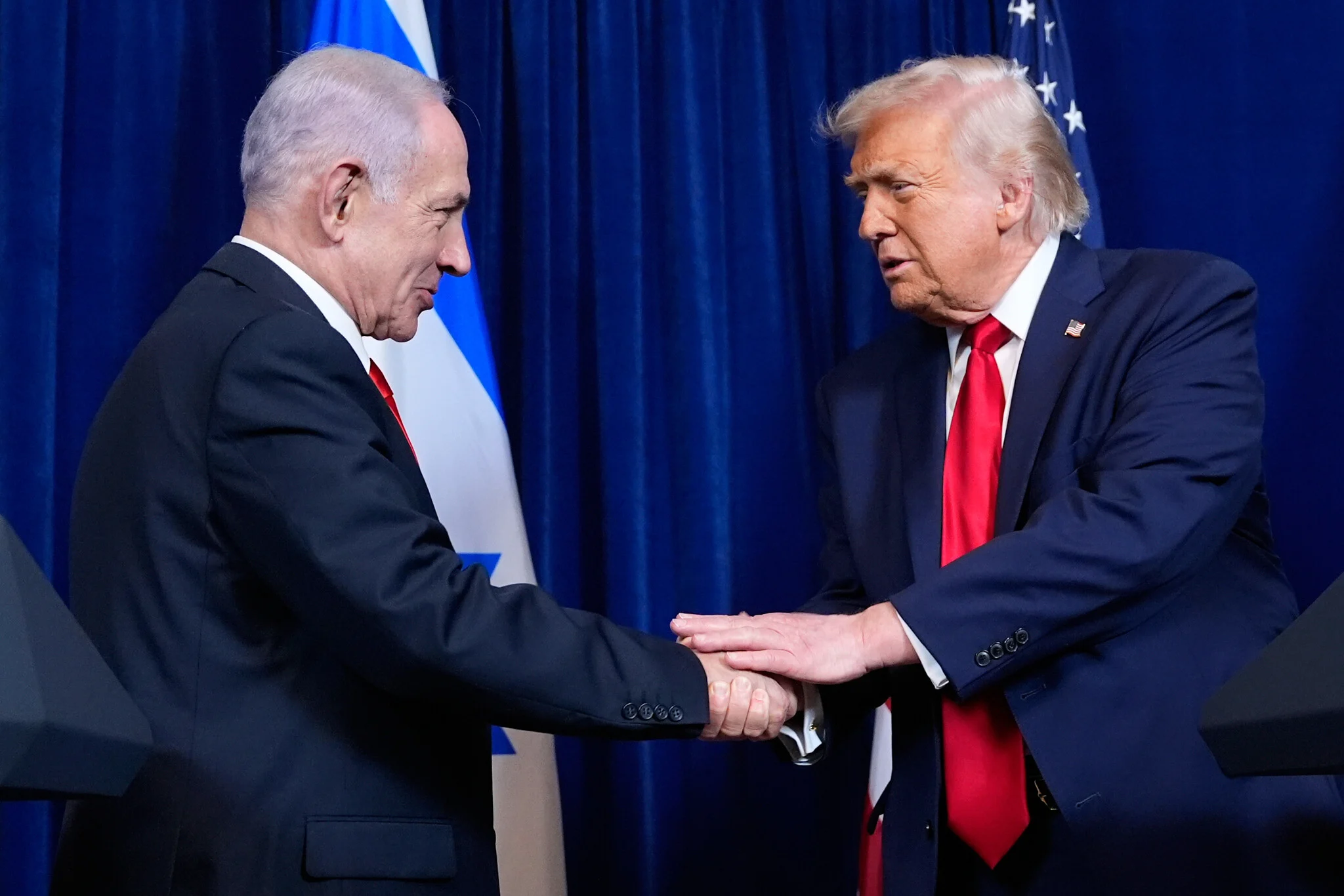
Washington, D.C. (Diplomat.so) – The US President Donald Trump stated on Monday, in Washington that Iran had initially offered US personnel access to damaged nuclear facilities before withdrawing the proposal, amid ongoing tensions and stalled negotiations between Washington and Tehran over nuclear-related issues.
Trump said during remarks at the White House that Iranian officials had indicated: "you have to take it yourselves,” referring to access to highly enriched uranium stockpiles. He added that US authorities are closely monitoring the location of the material and warned that Washington would respond "with strength” to any attempt to approach it.
The US President’s comments came as diplomatic talks between the two countries remain deadlocked over verification procedures, sanctions relief, and broader nuclear compliance concerns. The briefing took place under heightened security conditions, with limited press access and controlled questioning procedures.
Israeli Prime Minister Benjamin Netanyahu addressed the issue in a separate interview on CBS’s "60 Minutes,” where he was asked how uranium could be removed from Iranian facilities. He responded: "You go in and take it.” Netanyahu also confirmed that Trump had previously discussed the feasibility of such an operation, describing it as "practically possible,” without providing further operational details or timelines.
An Israeli security official, speaking on condition of attribution, said discussions between Washington and Tel Aviv had intensified in recent weeks. "There is increasing alignment on how to handle the uranium stockpile issue if diplomatic efforts fail,” the official said.
A US-based defense analyst, Isabella Thomas, said any attempt to extract nuclear material from inside Iran would involve "extreme operational complexity and significant escalation risk,” particularly given the possibility that materials are located in structurally compromised underground facilities.
In Washington, security presence remained elevated around key government buildings following the remarks, with law enforcement units deployed at major intersections and restricted access zones established near federal sites. Journalists gathered in designated areas as political attention focused on the implications of the statements.
The exchange comes against the backdrop of prolonged nuclear negotiations between Iran and global powers, which have struggled to produce a verified framework for enrichment limits and inspection access. International monitoring agencies have previously raised concerns over enrichment levels and transparency gaps in Iran’s nuclear program.
Analysts say the coordinated tone between US and Israeli leadership reflects deeper strategic alignment amid diplomatic stagnation. However, the absence of any confirmed operational directive suggests that discussions remain at the level of contingency planning rather than active execution.
The evolving situation continues to draw close attention from regional governments and international observers, as uncertainty over Iran’s nuclear trajectory intersects with heightened geopolitical tensions and fragile diplomatic channels.