Khartoum (Diplomat.so) - United Nations High Commissioner for Human Rights (OHCHR) warned on Monday, that the escalating use of armed drones by both parties in Sudan's conflict has driven a sharp rise in civilian casualties and displacement across multiple regions of the country.
United Nations High Commissioner for Human Rights (OHCHR) — Volker Türk said in a statement that at least 880 civilians were killed between January and April 2026 as a result of drone strikes carried out by both the Sudanese Armed Forces and the Rapid Support Forces, with the majority of deaths linked to aerial attacks. "The international community is now facing a clear warning. Without urgent action, this conflict is approaching a far more lethal phase,” Türk said.
The OHCHR data indicated that drone strikes accounted for approximately 80 percent of civilian fatalities recorded during the reporting period, marking a significant shift in the dynamics of the war that began in April 2023. The statement highlighted that the highest concentration of casualties occurred in the Kordofan region, where 26 civilians were reportedly killed in strikes targeting Al-Qawz area in South Kordofan and surrounding parts of El Obeid in North Kordofan on May 8.
A Sudanese Red Crescent volunteer operating in North Kordofan described the aftermath of recent strikes as "overwhelming for local responders, with limited medical supplies and continuous influx of wounded civilians arriving from scattered rural areas.”
Residents in El Obeid reported persistent fear and reduced movement as drone activity intensified over residential and agricultural zones. "We no longer distinguish between day and night strikes; the sky feels constantly monitored,” said a local teacher displaced from rural North Kordofan.
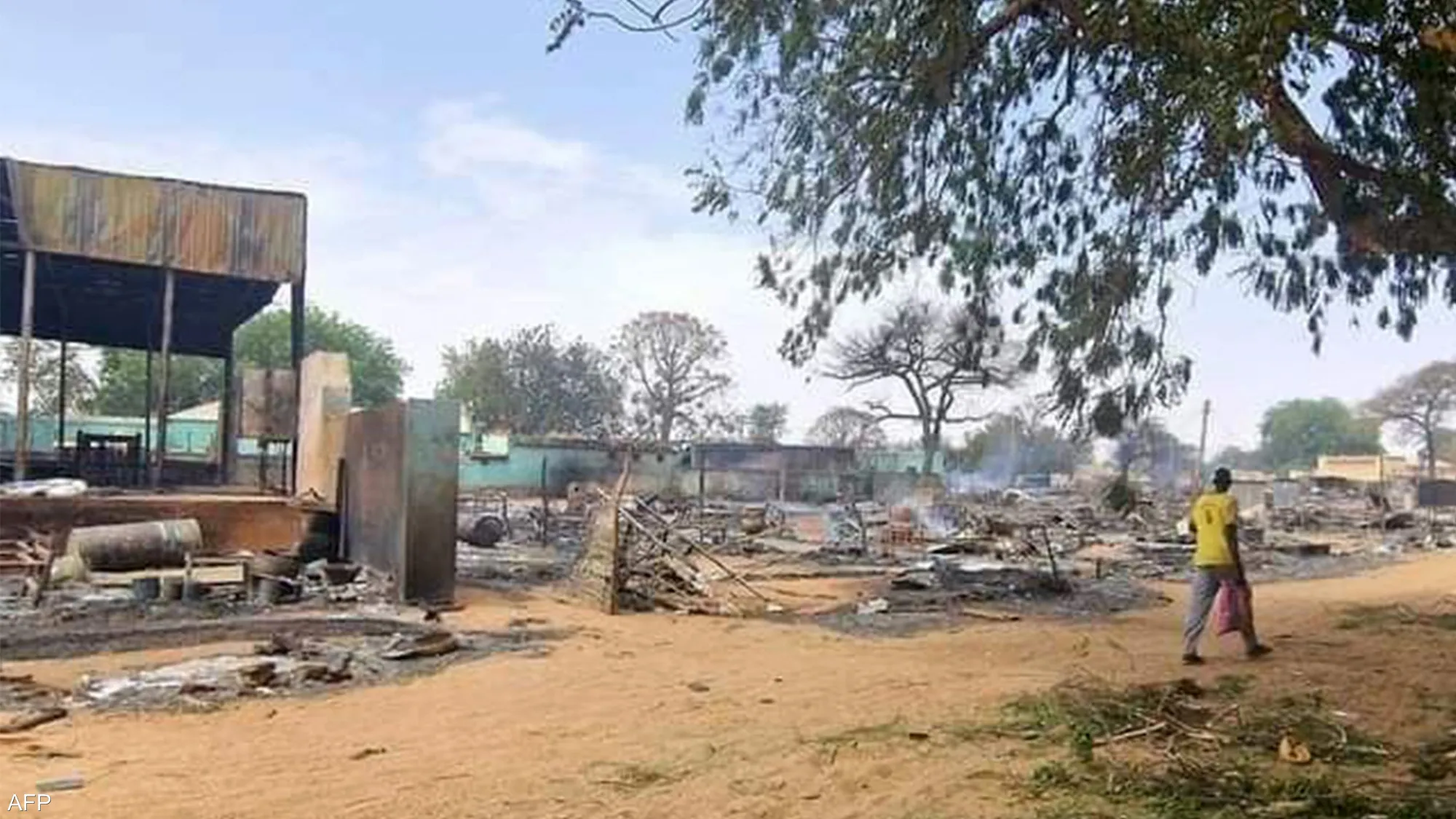
The conflict between the Sudanese Armed Forces and the Rapid Support Forces has produced widespread devastation across Kordofan and Darfur, with documented reports of ethnically targeted violence and large-scale civilian displacement. According to OHCHR assessments, drone operations have also expanded into Blue Nile, White Nile, and parts of Khartoum, indicating broader geographic spread of aerial warfare.
Volker Türk further warned that escalating military operations could disrupt humanitarian access at a time when several regions are facing acute food insecurity and heightened famine risks. He added that continued fighting during seasonal rains has enabled sustained aerial operations, unlike previous years when ground offensives slowed significantly.
Analysts note that the increasing reliance on drones is reshaping battlefield control strategies while deepening civilian exposure to remote strikes. Diplomat News Network analysis suggests that without enforcement of arms flow restrictions, particularly on advanced unmanned systems, the conflict risks further regional destabilization and prolonged humanitarian collapse across central and eastern Sudan.