Washington, D.C. (Diplomat.so) – The United States Department of State announced Tuesday that Washington has concluded its military campaign against Iran launched in February, shifting its operational priority toward reopening and securing maritime transit through the Strait of Hormuz.
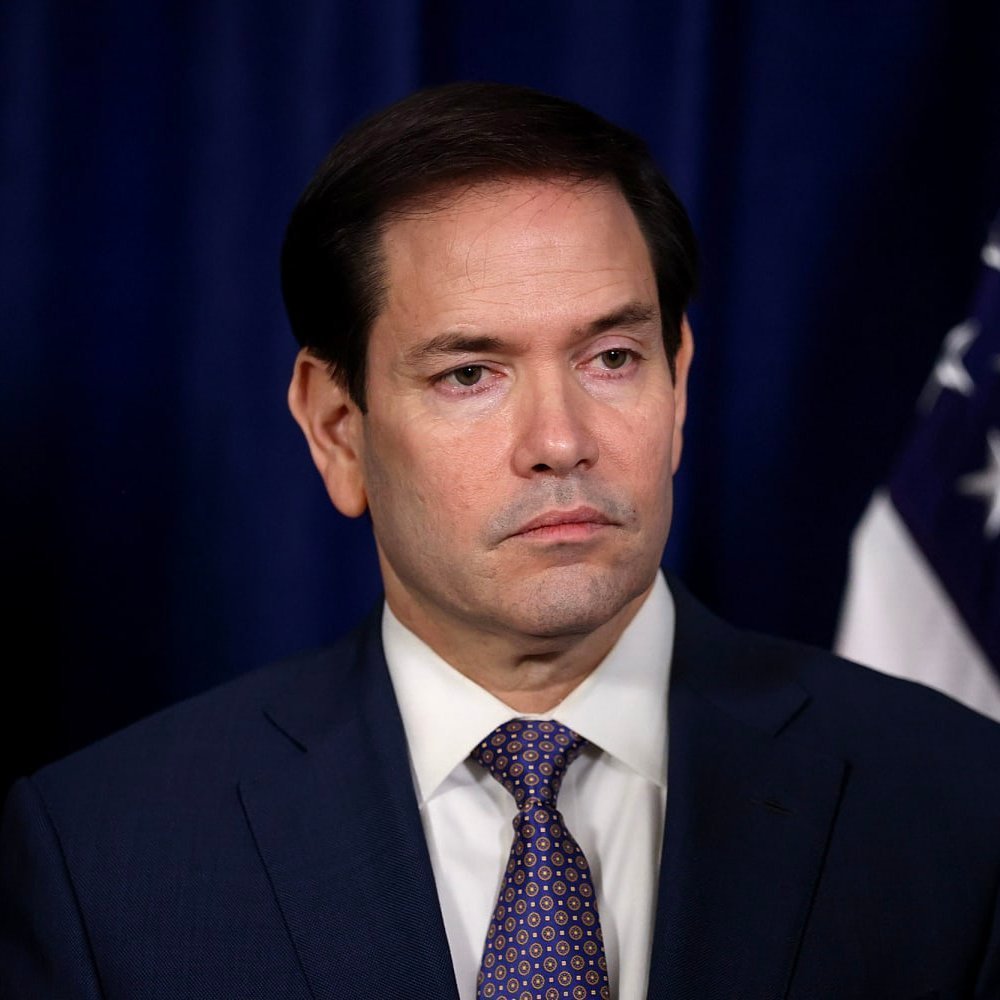
U.S. Secretary of State Marco Rubio confirmed during a White House press briefing on Tuesday, May 5, that the operation—referred to by officials as "Epic Rage”—had formally ended following the completion of its stated objectives. "The operation is over, and as the president informed Congress, we have concluded that phase,” Rubio said, referencing earlier notification sent to lawmakers regarding the cessation of hostilities.
Rubio added that the United States is now advancing what he described as "Project Freedom,” an initiative aimed at ensuring the safe passage of commercial shipping through the Strait of Hormuz, a strategic chokepoint for global energy supplies. "This is our focus now,” Rubio stated, noting that future developments remain uncertain and contingent on evolving regional conditions.
Conflicting Narratives
The announcement comes amid heightened tensions and conflicting claims surrounding recent maritime incidents in and around the Strait of Hormuz. The U.S. Central Command (CENTCOM) on Monday denied reports circulated by Iranian state-affiliated media alleging that Iranian missiles struck a U.S. naval vessel.
"Claims by Iranian official media that a U.S. warship was hit by missiles are false,” CENTCOM said in a statement. "No U.S. Navy vessels were struck. U.S. forces continue to support maritime security operations and enforce a naval blockade on Iranian ports.”
A senior U.S. official, speaking to Diplomat News Network on condition of attribution, also dismissed the reports, describing them as "inaccurate and not supported by operational data.”
Iranian sources, however, presented a different account of developments in the region. A source cited by Iran’s Fars News Agency claimed that two U.S.-flagged commercial vessels had become immobilized in southern waters of the Strait of Hormuz, allegedly due to hazardous geographic conditions near the Omani coastline.
The source stated that shallow, rocky seabeds in the southern corridor—near the Musandam Peninsula—pose navigational risks, suggesting that the vessels could neither proceed nor safely reverse course. Iranian officials also disputed earlier U.S. claims that American commercial ships had successfully transited the strait.
On-the-Ground Observations
Maritime tracking data and regional observations indicate a growing backlog of vessels accumulating outside the Strait of Hormuz, particularly near ports off the coast of Dubai. Shipping industry analysts report that hundreds of tankers and cargo ships are idling at a distance from the strait, awaiting clearer security conditions before attempting passage.
"At least 300 vessels are currently positioned in holding patterns east of the Gulf,” said Ahmed Rashid, a maritime logistics coordinator based in the United Arab Emirates. "Crews are under instructions to avoid entering the strait until there is confirmation of safe transit corridors.”
Onshore, port activity has slowed, with reduced cargo handling reported in several Gulf terminals. A dockworker in Fujairah, who requested anonymity due to employer restrictions, described "a noticeable drop in vessel arrivals and a tense atmosphere among staff,” adding that security presence had increased around critical infrastructure.
A large fire reported Monday evening at oil facilities in Fujairah further compounded concerns. A regional military analyst, Majid Saif told Diplomat News Network that the incident could be linked to "operational miscalculations tied to attempts at establishing alternative shipping routes,” though no official cause has been confirmed.
Strategic and Economic Implications
The Strait of Hormuz remains one of the world’s most critical energy corridors, with approximately 20 percent of global oil and gas supplies passing through it. Since late February, the waterway has effectively been closed following U.S. and Israeli strikes on Iranian targets and Tehran’s subsequent threats to deploy naval mines and conduct drone and missile attacks.
In response, the United States imposed a naval blockade on Iranian ports and initiated escort missions for commercial vessels. Concurrently, the Trump administration launched an economic pressure campaign—referred to by officials as "economic rage”—targeting Iran’s oil exports and shipping networks, including what U.S. officials describe as a "shadow fleet” used to circumvent sanctions.
The recent shift toward securing maritime routes signals a recalibration of U.S. strategy, moving from direct military engagement to stabilization of global trade flows. Analysts suggest that reopening the Strait of Hormuz is essential to easing commodity price volatility and restoring confidence in international shipping markets.
Rubio indicated that unresolved issues related to Iran’s nuclear program would now be addressed through diplomatic channels. "The president has made clear that negotiations must go beyond enrichment levels,” he said. "They must also address the disposition of materials stored in deeply fortified locations.”
Outlook and Uncertainty
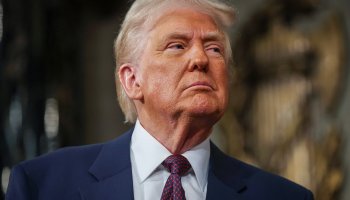
Despite the declared end of active military operations, the situation remains fluid. U.S. President Donald Trump has not ruled out renewed strikes should negotiations fail or if Iran violates the current ceasefire conditions.
Diplomatic efforts are expected to intensify in the coming weeks, though previous rounds of talks—most recently held in Pakistan—ended without agreement. The absence of a comprehensive settlement continues to pose risks for both regional stability and global energy markets.
For now, the U.S. administration’s immediate objective centers on restoring safe navigation through the Strait of Hormuz, a move widely seen as critical to preventing further economic disruption and de-escalating tensions in one of the world’s most strategically significant waterways.