Washington, D.C. (Diplomat.so) - Diplomat News Network reports on Wednesday, that renewed diplomatic tensions between the United States and Iran have intensified after media leaks, hardline negotiating positions, and ongoing military activity complicated indirect efforts to de-escalate hostilities in the region.
U.S. and Iranian officials, speaking through separate channels and cited in recent international reporting, described a widening gap between the two sides as discussions—some indirect and others reportedly limited in direct contact—continue amid active conflict. The developments come as both countries exchange accusations over conditions tied to a potential ceasefire and long-term security arrangements.
According to U.S. officials cited by *The Wall Street Journal*, the disclosure of sensitive details surrounding negotiation frameworks has triggered frustration in Tehran, with Iranian authorities viewing the leaks as politically motivated and destabilizing to the process. The officials also characterized certain demands reportedly associated with Iran’s Islamic Revolutionary Guard Corps as unrealistic, particularly those relating to compensation and constraints on U.S. military posture in the region.
Iranian perspectives, as relayed by three senior sources in Tehran cited by *Reuters*, indicate that internal decision-making has shifted since the onset of hostilities, with increased influence from security institutions shaping a more assertive negotiating stance. The sources said Iran would likely seek extensive guarantees in any formal talks, including assurances against future military strikes and compensation for wartime damages.
In Tehran, a local shop owner near a busy commercial district described a cautious atmosphere among residents. "People are watching the news closely, but there is uncertainty about whether talks will actually lead to anything concrete,” he said, noting reduced foot traffic in recent days compared with earlier weeks.
A Tehran-based political analyst, speaking on condition of attribution, said the divergence in expectations reflects deeper structural disagreements. "The negotiations are not only about ending hostilities but also about redefining deterrence, security guarantees, and regional influence,” the analyst explained, adding that both sides appear reluctant to concede on core strategic issues.
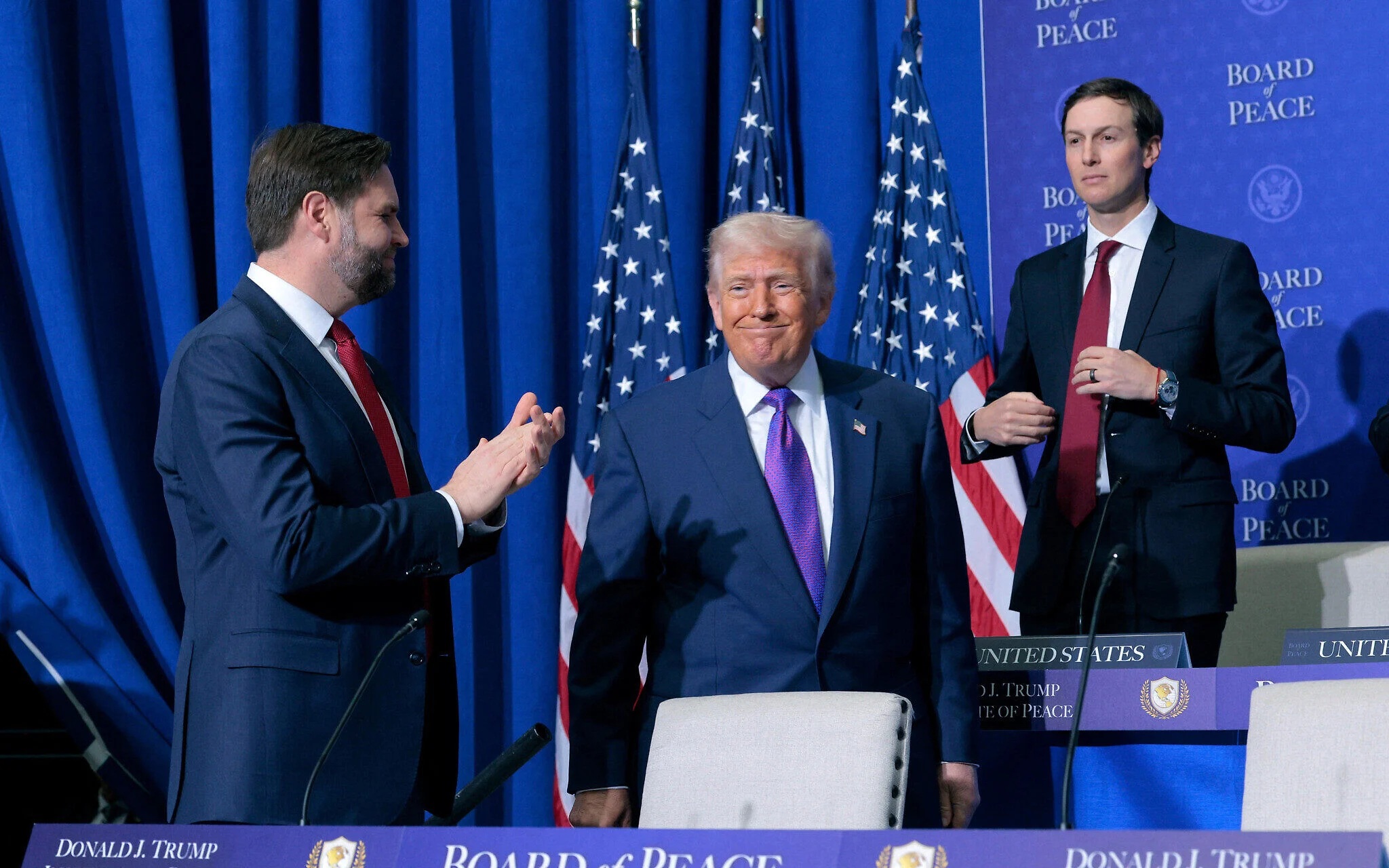
U.S. President Donald Trump has publicly stated that discussions with Iran are ongoing, while signaling a mixed outlook on progress. Israeli military officials, meanwhile, have indicated that operational activity will continue independently of diplomatic developments, underscoring the fragmented nature of the broader security environment.
Background context suggests that tensions have been building since the outbreak of hostilities last month, with intermittent strikes, retaliatory actions, and regional spillover affecting Gulf states and neighboring areas. Strategic chokepoints such as maritime corridors have also been referenced in Iranian demands, reflecting broader concerns over energy security and trade flows.
The situation carries implications for regional stability, global energy markets, and diplomatic alignments involving Gulf countries, European intermediaries, and other stakeholders. Analysts note that without alignment on verification mechanisms and security guarantees, any prospective agreement may face significant implementation challenges, even if preliminary understandings are reached.
As negotiations proceed under indirect and evolving formats, the gap between public rhetoric and private positions remains a defining feature of the current diplomatic phase, with both sides continuing to signal firmness while leaving limited space for compromise.