Tel Aviv (Diplomat.so) – The Israeli army on Saturday 25 April said it conducted overnight air operations targeting multiple rocket launch platforms belonging to Hezbollah in southern Lebanon, describing the sites as operational threats following continued cross-border tensions and intermittent exchanges of fire along the frontier area.
Escalating Strikes in Southern Lebanon
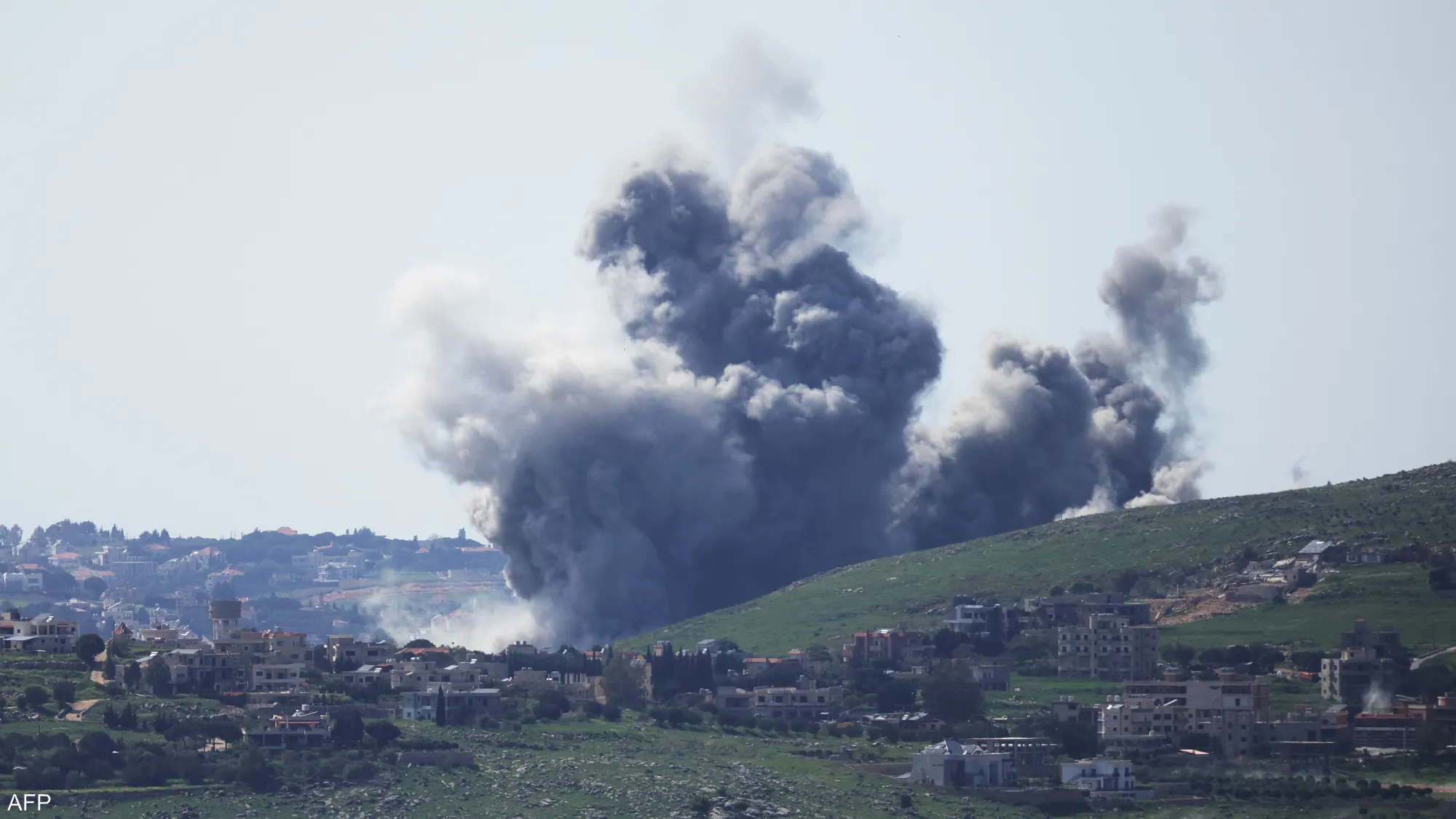
The Israeli army stated that its air force struck what it identified as Hezbollah rocket launch platforms in the areas of Deir al-Zahrani, Kfar Reman, and Al-Samiyah in southern Lebanon during overnight operations. Military officials said the targets were identified through intelligence monitoring and were engaged in precision airstrikes aimed at reducing perceived operational risks near the border zone.
According to the Israeli army, the targeted infrastructure represented an ongoing security concern. A military statement described the installations as "a threat to forces and citizens of Israel,” citing continued militant activity in southern Lebanon despite a fragile security environment in the region.
Residents and local reports in southern Lebanon described a powerful explosion in the town of Khiam, alongside artillery shelling directed at the nearby town of Hula. Witnesses said repeated blasts were heard throughout the night, while low-flying drones were seen over several villages in the area.
Casualties Reported by Lebanese Authorities
Lebanon’s Ministry of Public Health reported that six people were killed and two others injured in Israeli airstrikes across southern Lebanon on Friday, despite the presence of a declared ceasefire framework that has been repeatedly tested by renewed hostilities.
In an official statement, the ministry said the strikes "led to the martyrdom of six citizens and the injury of two others” during operations carried out on 24 April in southern districts. Local emergency responders were deployed to damaged residential areas and rural outskirts where strikes were reported.
Residents in affected villages described scenes of panic and destruction. One resident from the Nabatieh region, speaking on condition of anonymity, said: "The explosions shook the entire area. People ran into the streets without knowing where to go. It felt like the fighting never stopped.”
A local civil defense volunteer reported ongoing search operations in partially damaged buildings, adding that access to some areas remained restricted due to continued drone surveillance overhead.
Israeli Operational Claims
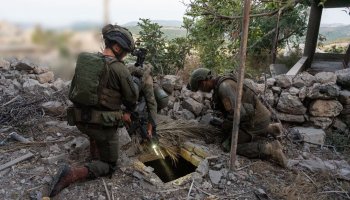
The Israeli army also confirmed separate ground engagement incidents in the town of Bint Jbeil, where it said six Hezbollah operatives were killed during exchanges of fire earlier in the week. According to the military account, troops identified armed individuals and engaged them after what it described as direct contact in the area.
The army further stated that additional airstrikes were carried out on rocket infrastructure in the villages of Yater and Kafra, south of what it referred to as the forward defensive line. It added that unmanned aerial vehicles launched by Hezbollah had been detected approaching Israeli positions, with several exploding near deployed forces without causing reported injuries.
Civilian Impact
Field reporting indicates continued military activity across multiple southern Lebanese districts, including low-altitude drone flights over the southern suburbs of Beirut, Baalbek, and surrounding rural zones. Artillery fire and intermittent detonations have been reported in border-adjacent communities, contributing to heightened civilian displacement concerns.
Road movement in parts of southern Lebanon has been limited following Israeli warnings issued to residents of 59 towns not to return or cross designated zones near the Litani River and adjacent valleys.
Ceasefire Strain
The latest escalation comes amid a fragile ceasefire arrangement that has faced repeated violations since its announcement over six weeks ago during intensified conflict between Israel and Hezbollah. Despite diplomatic efforts aimed at stabilizing the frontier, both sides have continued to report strikes, counterstrikes, and drone activity.
The Lebanese government has repeatedly called for international pressure to prevent further escalation, while Israeli authorities maintain that military operations are necessary to neutralize cross-border threats.
Diplomatic observers note that sustained exchanges of fire risk undermining already limited trust mechanisms established through indirect mediation channels.
Regional Escalation Risk
The persistence of airstrikes and cross-border engagements highlights the difficulty of enforcing ceasefire compliance in a fragmented operational environment. The use of drones, artillery, and airpower across densely populated southern Lebanese districts increases the risk of civilian harm and infrastructure damage.
Security analysts assess that continued military actions by both parties could gradually erode diplomatic containment efforts, particularly if incidents expand beyond localized border zones. The involvement of multiple civilian-populated areas adds complexity to de-escalation efforts and complicates humanitarian access.