Singapore (Diplomat.so) – Global oil markets on Wednesday, April 22, reacted to extended US-Iran ceasefire talks and Strait of Hormuz shipping disruptions, with prices easing after early Asian-session gains driven geopolitical uncertainty.
Brent crude futures fell 21 cents, or 0.2 percent, to 98.27 dollars a barrel by 00:39 GMT after briefly touching 99.38 dollars earlier in the session. West Texas Intermediate (WTI) crude slipped 28 cents, or 0.3 percent, to 89.39 dollars after reaching 90.71 dollars. Both benchmarks had climbed nearly three percent on Tuesday amid heightened geopolitical risk premiums.
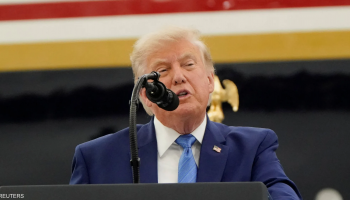
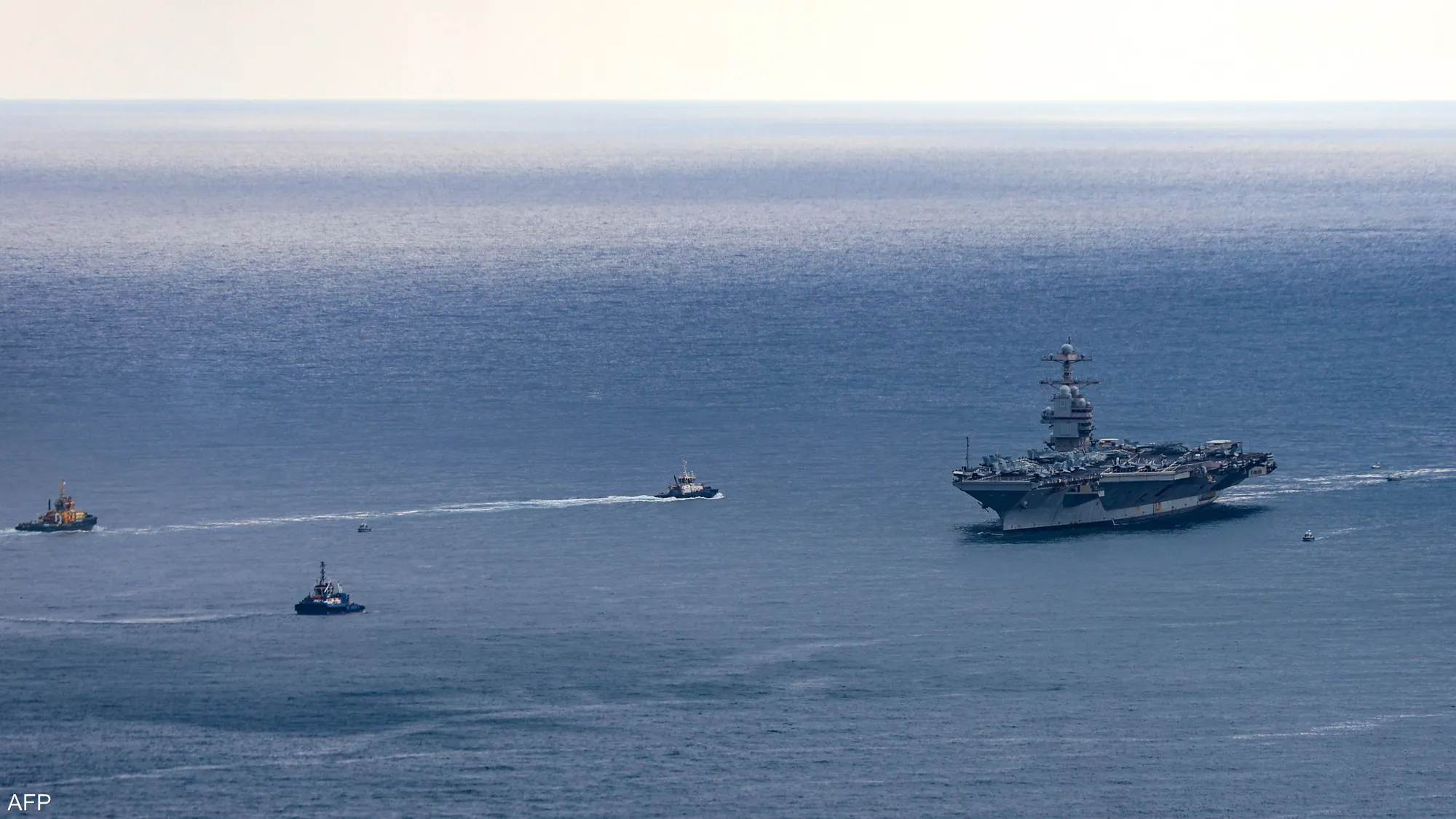
US President Donald Trump said he would extend the ceasefire with Iran indefinitely, citing ongoing diplomatic efforts to prevent escalation, while confirming continued US naval restrictions on Iranian ports and coastal access. The announcement came hours before the previous ceasefire was due to expire, though it remained unclear whether Iran or Israel would accept the extension.
Hiroyuki Kikukawa, chief analyst at Nissan Securities Investment, told that markets remain directionless amid uncertainty over talks and the status of maritime flows through the Strait of Hormuz. "As long as the ceasefire holds but lacks clarity, prices are likely to stay range-bound near current levels,” he said.
A Singapore-based energy trader speaking on condition of attribution said volatility remained elevated as shipping activity through the Strait of Hormuz stayed severely limited. "We are seeing very thin physical flows; any headline on Iran or US naval activity moves the market immediately,” the trader said. Maritime tracking data indicated only three vessels transited the strategic waterway over the previous 24 hours.
Separately, Axios reported, citing US officials, that President Trump is considering extending a waiver under the Jones Act that allows foreign-flagged vessels to transport fuel and goods between domestic ports. The current suspension, introduced in March for 60 days, was aimed at easing fuel price pressures by increasing shipping capacity from the Gulf Coast to other US regions.
Oil markets have been highly sensitive to developments around Iran, the Strait of Hormuz, and broader Middle East security dynamics, given that the waterway typically carries around 20 percent of global crude and liquefied natural gas shipments. Traders have increasingly priced in supply risk premiums as diplomatic efforts continue without a clear framework for de-escalation.
The latest price movement reflects a market balancing easing headline risk from the temporary ceasefire extension with persistent uncertainty over its durability and the potential impact on global energy supply routes. Further direction is expected to hinge on the outcome of US-Iran negotiations and stability in maritime traffic through key chokepoints.