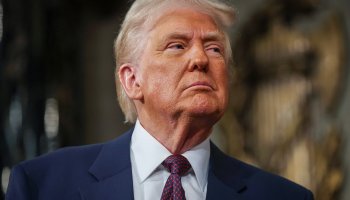
Washington, D.C. (Diplomat.so) – The U.S. President Donald Trump announced on Saturday, April 26, 2026, that he canceled a planned trip by American envoys to Islamabad aimed at reviving negotiations with Iran, citing lack of progress and internal confusion in Tehran's leadership.
Trump said in an interview with Fox News that the United States would no longer send officials on lengthy diplomatic missions "to sit and talk about nothing,” emphasizing that Washington holds "all the cards” in the stalled process. He added that Iranian officials could initiate contact "at any time,” but indicated frustration with what he described as unproductive engagement.
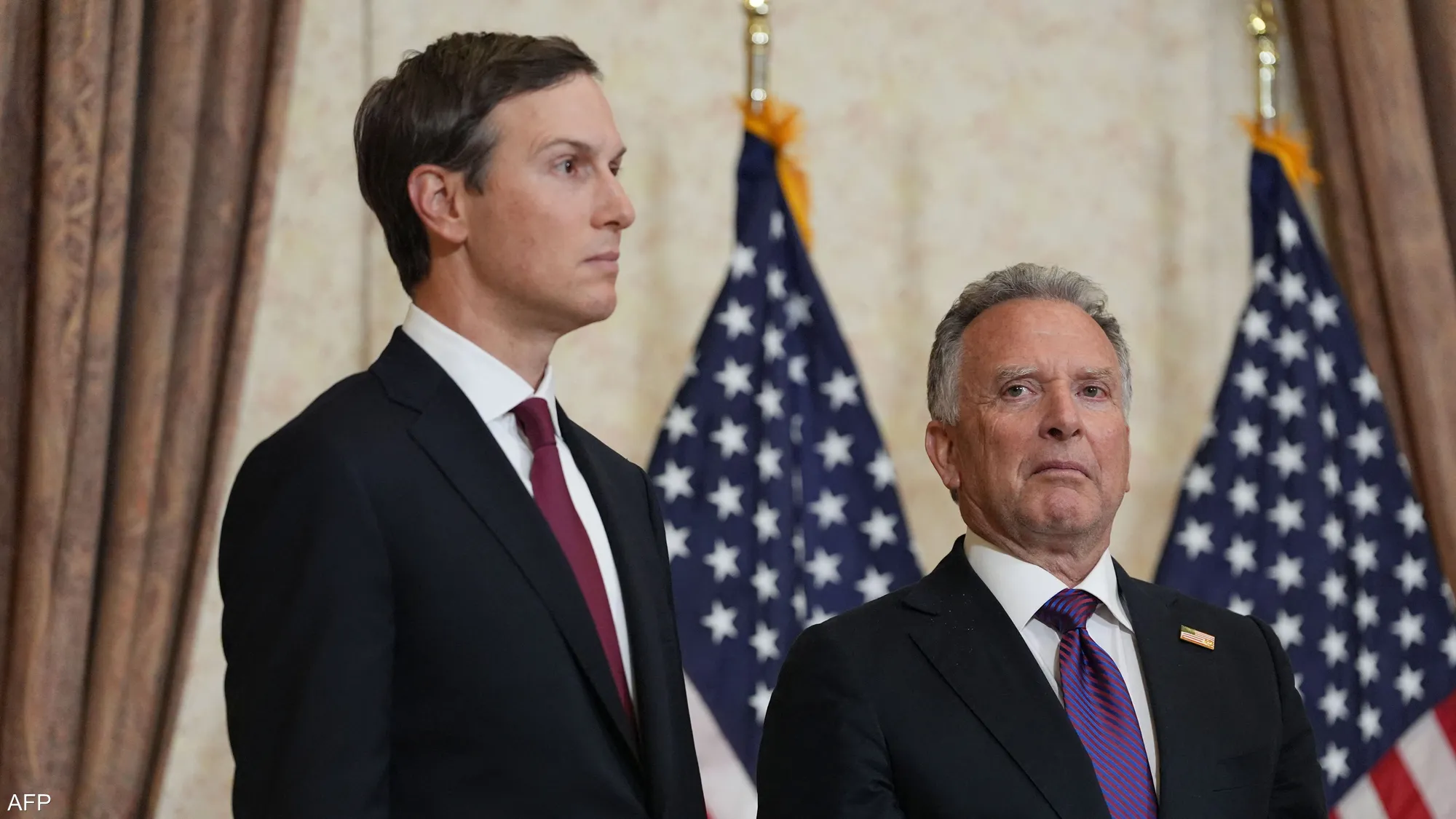
The decision follows earlier statements from the White House on Friday indicating that envoys Steve Witkoff and Jared Kushner were expected to travel to Pakistan for a new round of indirect talks with Iranian representatives. However, Trump confirmed he personally instructed them not to proceed, describing the trip as unnecessary given current conditions.
In a post on Truth Social, Trump further claimed that Iran’s leadership is facing significant internal divisions. "There is massive infighting and confusion within their leadership. No one knows who is in charge, including themselves,” he wrote, linking the situation to his decision to halt the diplomatic visit.
A senior U.S. administration official, speaking on condition of attribution to Diplomat News Network, said the cancellation reflects "a reassessment of the diplomatic channel rather than a termination of dialogue,” adding that "alternative avenues remain under consideration.”
Regional analysts expressed mixed views. Shahram Mostafa, a political analyst specializing in Iran affairs, said, "This signals deep frustration in Washington, but it also underscores the fragility of any negotiation framework with Tehran at this stage.” He added that internal Iranian dynamics could complicate future engagement.
The backdrop to the decision includes prolonged tensions over Iran’s nuclear program and broader geopolitical rivalry. Previous attempts to restart negotiations have faced repeated setbacks, with both sides citing mistrust and divergent expectations. The planned Islamabad meeting was viewed as a potential step toward reestablishing dialogue through intermediaries.
Trump emphasized that canceling the trip does not indicate an imminent escalation toward conflict, stating that diplomacy remains possible if conditions change. The move highlights ongoing uncertainty in U.S.-Iran relations and raises questions about the viability of near-term negotiations.
The development may also affect regional diplomatic calculations, particularly for countries like Pakistan that often serve as intermediaries. Observers say the pause could delay any immediate breakthrough but leaves open the possibility of renewed talks under different terms.