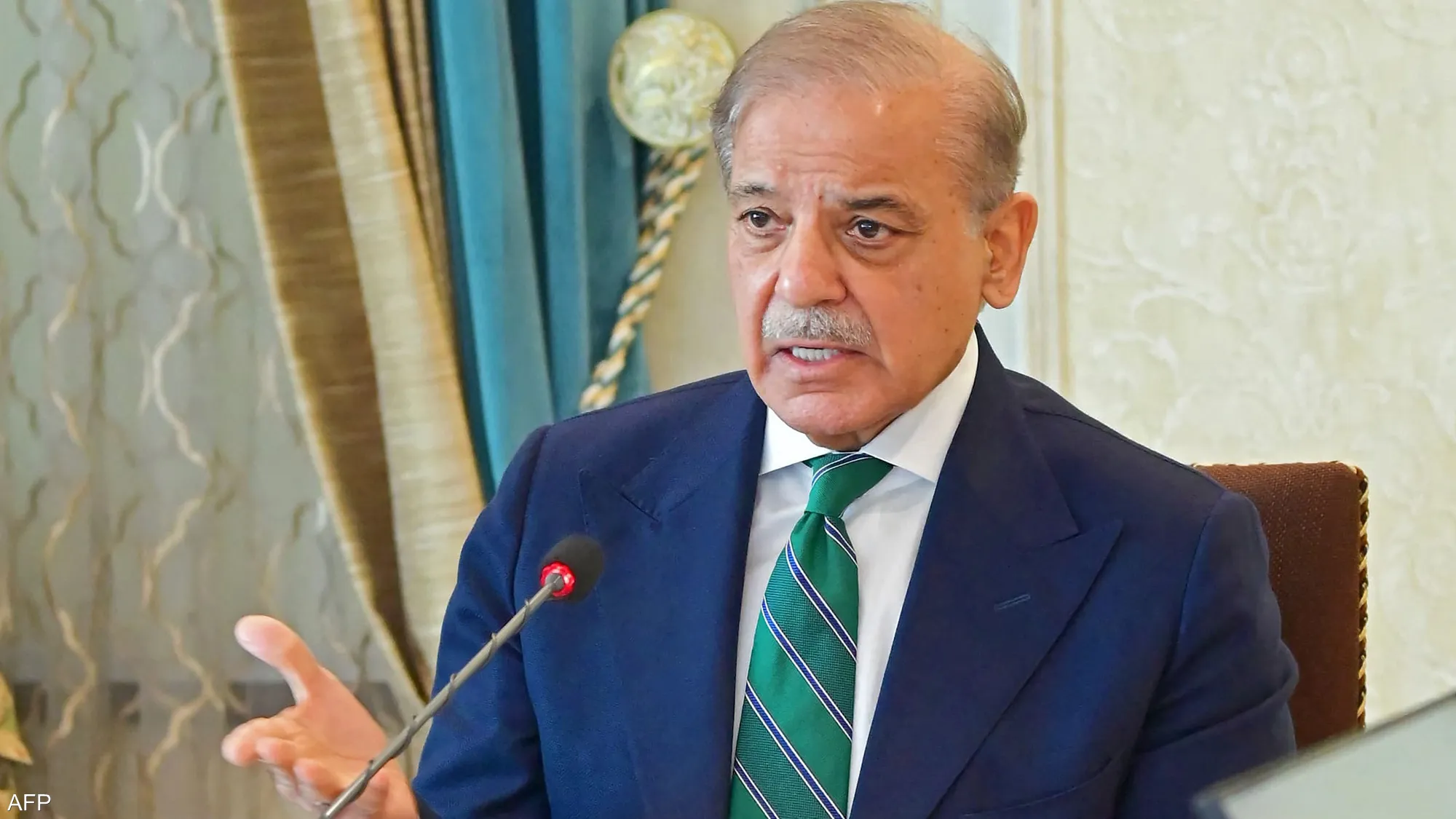
Islamabad (Diplomat.so) – Pakistan Ministry of Foreign Affairs on Wednesday, April 22, in Islamabad said Prime Minister Shehbaz Sharif welcomed United States President Donald Trump's approval of Pakistan's request to extend a ceasefire between the United States and Iran amid ongoing diplomatic negotiations aimed at preventing escalation and supporting renewed dialogue.
Sharif said in a post on X that he hoped both sides would continue to observe the ceasefire, adding that Pakistan would persist in its efforts to mediate a negotiated settlement between Washington and Tehran. US President Donald Trump said the United States had agreed to extend the ceasefire at Pakistan’s request, stating, "we have agreed to extend the ceasefire,” and adding that he had directed US forces to maintain a maritime blockade of Iranian ports and remain on high alert until Iran presents a unified proposal and talks conclude. Sharif also expressed optimism that a comprehensive peace agreement could be reached during a second round of talks scheduled in Islamabad.
Islamabad Push for Continued Mediation
Pakistan’s diplomatic leadership has positioned itself as a facilitator of talks between Washington and Tehran, with senior officials emphasizing the urgency of maintaining the temporary truce. Information Minister Attaullah Tarar said Pakistan is still awaiting Iran’s formal confirmation to participate in the second round of negotiations scheduled in the capital.
In a statement on X, Tarar said Iran’s decision to engage before the expiration of the two-week ceasefire is "critically important,” adding that Islamabad is actively working to encourage Tehran’s participation. "Pakistan is making sustained efforts to bring the Iranian leadership into the dialogue process,” he said, according to remarks reviewed by Diplomat News Network.
Foreign Minister Ishaq Dar, during a meeting with the US charge d’affaires in Islamabad, stressed the importance of maintaining open communication channels between Washington and Tehran. Officials familiar with the discussions said Dar urged both sides to extend the ceasefire to create space for structured negotiations, framing Pakistan’s role as one of diplomatic facilitation rather than mediation of outcomes.
US-Iran Ceasefire Extension and Military Posture
The US decision to extend the ceasefire follows discussions at senior levels in Washington, including meetings involving Vice President JD Vance, Special Envoy Steve Witkoff, and senior adviser Jared Kushner, according to NBC reporting cited by officials. A White House official confirmed that Vance would not travel to Pakistan as previously expected, signaling uncertainty over the timing of the second round of talks.
The Wall Street Journal reported that US officials currently see no plans to lift maritime restrictions imposed on Iranian ports, with the blockade continuing alongside heightened military readiness. Trump’s remarks on Truth Social indicated that US forces would remain deployed and on alert, reinforcing what he described as a conditional extension of the ceasefire pending Iranian proposals.
Diplomatic observers in Islamabad noted increased security presence around key government facilities, though no public demonstrations or disruptions were reported. Traffic in the diplomatic enclave remained steady, with routine movement of embassy vehicles and officials attending scheduled briefings.
Iranian Hesitation and Diplomatic Uncertainty
Iranian state-linked media reported that Tehran has informed intermediaries it will not attend the planned talks in Islamabad under current conditions, raising questions over the viability of the second negotiation round. Officials in Islamabad acknowledged that Iran has not yet issued a formal confirmation of participation.
A senior Pakistani diplomatic source, speaking on condition of attribution, said communication channels remain open but fragile. "There is still engagement through intermediaries, but commitment to direct participation remains unclear,” the official said.
The uncertainty comes as the temporary ceasefire nears its scheduled expiration, increasing pressure on mediators to secure agreement on procedural guarantees before talks proceed. Analysts say Iran’s hesitation reflects broader concerns over sanctions, military pressure, and the absence of a mutually agreed framework for negotiations.
Regional and Geopolitical Implications
The extension of the ceasefire underscores Pakistan’s evolving diplomatic role in facilitating dialogue between major international actors amid heightened regional tensions. Islamabad’s involvement reflects its strategic positioning between Gulf stability concerns, US security interests, and Iran’s regional posture.
Security analysts in Islamabad say the ongoing maritime restrictions and military readiness posture maintained by the United States introduce uncertainty into the negotiation environment, potentially complicating efforts to build trust. At the same time, Pakistan’s mediation initiative highlights its interest in preventing spillover instability into neighboring regions.
Regional observers note that sustained breakdown in talks could increase pressure on shipping routes and energy markets, particularly if maritime restrictions escalate or ceasefire mechanisms collapse. The diplomatic stakes extend beyond bilateral US-Iran relations, affecting broader regional security calculations involving Gulf states and global energy corridors.
Prospects for Negotiated Settlement
The coming days are expected to determine whether the second round of talks in Islamabad proceeds as planned or faces further delay due to Iran’s pending response. Pakistani officials continue to present diplomacy as the only viable path forward, emphasizing negotiation over confrontation.
While Washington maintains a conditional extension of the ceasefire, Tehran’s position remains uncertain, creating a narrow window for mediators to bridge differences. Pakistan’s leadership has signaled readiness to host talks, but the outcome now depends on whether both parties can agree on participation and procedural terms before the ceasefire period expires.