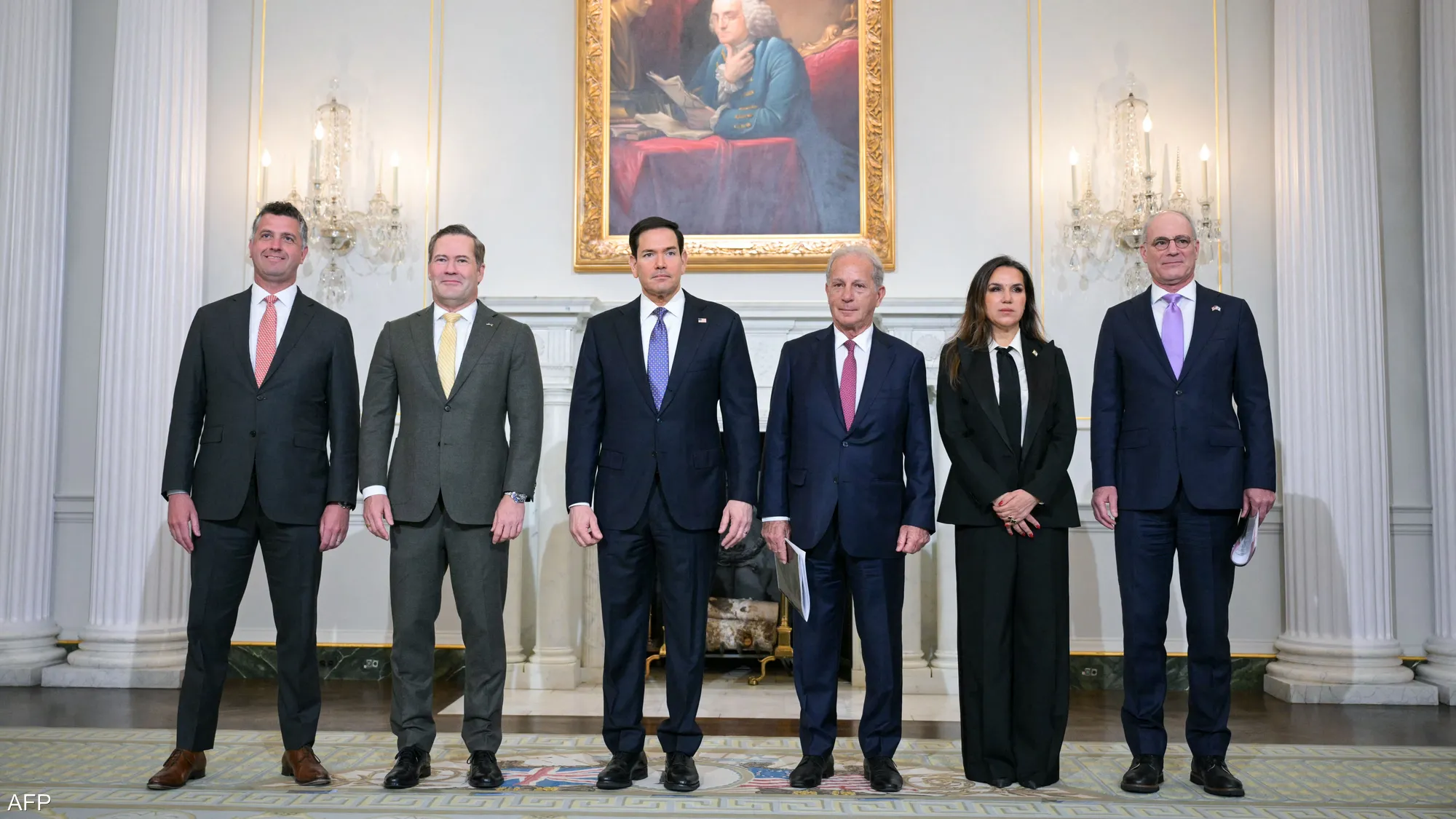
Washington, D.C. (Diplomat.so) - United States Department of State is hosting representatives from Israel and Lebanon on Thursday, April 23, in Washington for renewed talks aimed at reinforcing a fragile ceasefire agreement and advancing direct diplomatic engagement between the two countries, a senior US official confirmed on Thursday.
Rare Direct Talks
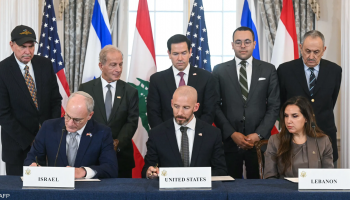
Diplomat News Network reports that the meeting will take place at the US Department of State headquarters and will bring together Israeli and Lebanese ambassadors for a second round of indirect normalization-focused discussions facilitated by US diplomatic officials.
A US State Department spokesperson, speaking on condition of anonymity, said the United States will continue to "facilitate direct discussions conducted in good faith between the two governments.”
"These engagements remain sensitive but necessary in order to stabilize the current ceasefire environment and reduce the risk of renewed escalation,” the official added.
The format of the talks remains unchanged from the previous session held earlier this month, with both delegations engaging at ambassadorial level in the presence of US mediators rather than through direct bilateral recognition, as formal diplomatic relations between Israel and Lebanon do not exist.
Ceasefire Context
The Washington meeting follows the announcement of a 10-day ceasefire in hostilities between Israel and Hezbollah, brokered with US involvement. Despite the truce, Israeli military operations and reported demolition activities have continued in parts of southern Lebanon, according to Lebanese security sources.
Lebanese authorities report that the conflict has resulted in 2,387 deaths and the displacement of approximately one million people since the escalation began earlier this year. Officials have described the humanitarian situation as increasingly strained, particularly in border regions where infrastructure damage remains extensive.
A resident from southern Lebanon, interviewed via phone, described the situation as "uncertain despite the ceasefire announcement.”
"We hear about diplomacy in Washington, but on the ground, the situation changes very little. People are still afraid to return home,” the resident said.
European Diplomatic Reactions
The talks coincide with growing divisions within the European Union over Israel’s military operations in Lebanon and broader regional policy.
Belgian Foreign Minister Maxime Prévot described Israeli actions in Lebanon as "completely unacceptable,” while acknowledging that Hezbollah’s attacks had contributed to escalation. He said Belgium supports at least a partial suspension of the EU-Israel Association Agreement, citing proportionality concerns.
Spanish Foreign Minister José Manuel Albares, alongside counterparts from Ireland and Slovenia, has called for formal EU discussions on suspending the agreement entirely. However, German Foreign Minister Annalena Baerbock has warned that suspending the trade component of the agreement would be "inappropriate,” highlighting divisions within the bloc.
An EU diplomatic official, speaking from Luxembourg, said member states remain split on the issue but acknowledged "growing pressure for reassessment of existing frameworks with Israel.”
Israeli Position on Hezbollah Disarmament
Israeli Defense Minister Israel Katz reiterated Israel’s strategic objective of disarming Hezbollah through a combination of military and diplomatic measures.
Speaking at a memorial ceremony for fallen soldiers, Katz said, "The strategic goal of the campaign in Lebanon is the disarmament of Hezbollah through a mix of military and diplomatic action.”
He added that Israel’s position remains unchanged, stating that both political and operational tools would continue to be used to achieve this objective.
Israeli officials have also referenced international diplomatic support, particularly from the United States, as a key factor in maintaining pressure on Hezbollah and the Lebanese government.
Lebanese Leadership Emphasizes Negotiation Strategy
Lebanese President Joseph Aoun has sought to frame the Washington talks as a diplomatic mechanism aimed at ending hostilities rather than a political concession.
In remarks delivered to a delegation of municipal and parliamentary figures in Jezzine, Aoun said, "Diplomacy is war without blood, while war is bloodshed and destruction.”
He emphasized that negotiations are intended to secure the cessation of Israeli strikes, withdrawal from southern Lebanese territory, and the return of detainees, while preserving Lebanon’s rights.
"The Lebanese are tired of wars,” Aoun said, adding that national unity behind state institutions is essential for stabilizing security conditions.
Aoun also confirmed that Lebanon will be represented in the talks by a delegation led by Ambassador Simon Karam, stressing that no external party will represent Lebanese interests in the negotiations.
"We are either facing continued war with its humanitarian and economic consequences, or negotiations to end it,” he said.
Background
The Washington talks mark one of the most structured diplomatic engagements between Israel and Lebanon in decades, reflecting a cautious shift toward managed de-escalation under US mediation.
The absence of formal diplomatic relations between the two countries has historically limited engagement to indirect channels, often mediated through third parties or international actors.
Regional analysts note that the combination of sustained ceasefire violations, continued EU policy debates, and US-led diplomatic facilitation has created a complex diplomatic environment in which security stabilization and political negotiations are proceeding simultaneously.
Regional Outlook
The durability of the ceasefire remains uncertain as both military activity and political pressure continue across multiple fronts. US officials have signaled that the Washington talks are part of a broader effort to prevent escalation into a wider regional conflict involving non-state armed groups and state actors.
Observers say the outcome of the meeting may determine whether the current diplomatic framework can evolve into a longer-term stabilization mechanism or remain a temporary de-escalation tool.