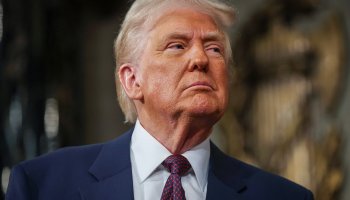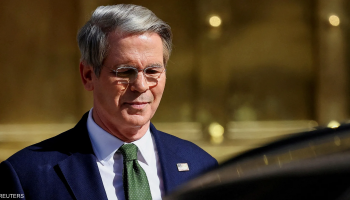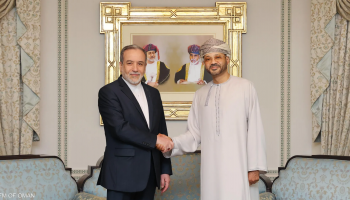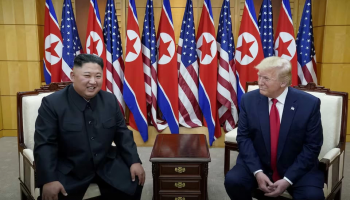
Tehran (Diplomat.so) - An Iranian senior official on Saturday, May 2, outlined a proposal rejecting President Donald Trump's conditions while calling for reopening the Strait of Hormuz and ending US naval blockade.
Speaking in remarks carried through diplomatic channels, the official said the plan aims to de-escalate maritime tensions while postponing nuclear negotiations to a later phase of agreement-building.
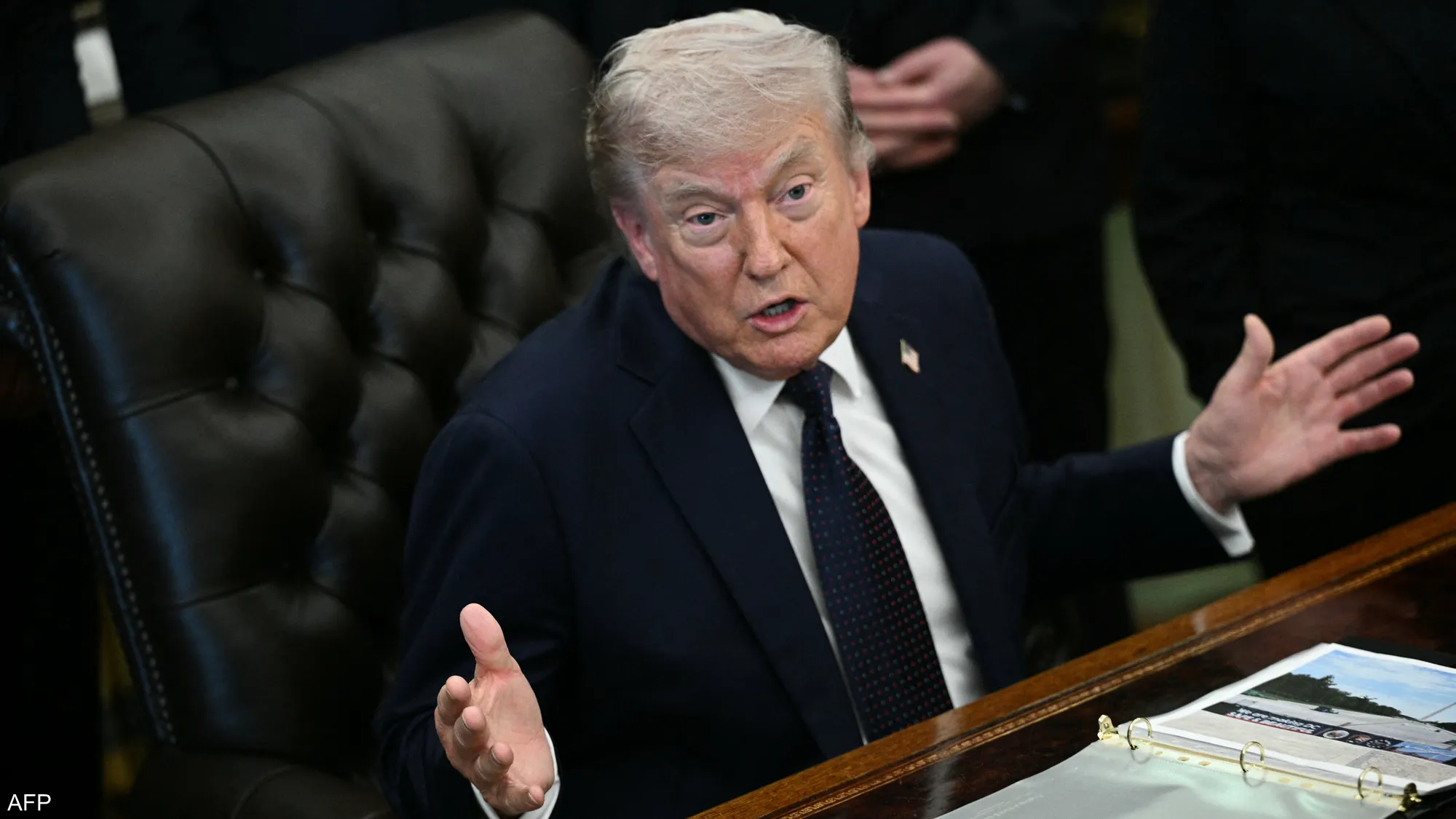
The proposal comes amid ongoing US skepticism, with President Donald Trump stating that Washington remains "not satisfied" with Iran's latest diplomatic offer and insisting on stricter nuclear constraints before any easing of pressure.
Diplomatic Proposal Overview
The Iranian proposal outlined a phased approach linking maritime security arrangements in the Strait of Hormuz with later-stage discussions on Tehran's nuclear program and sanctions relief.
The official emphasized that the framework seeks to ensure that neither the United States nor Israel resumes military action against Iran, while simultaneously reopening key shipping routes and ending what Tehran describes as a maritime blockade.
He stated: "Under this framework, negotiations on the complex nuclear issue are postponed to the final phase to create a more favorable atmosphere."
The proposal, transmitted via Pakistani intermediaries, represents a modified diplomatic package intended to reduce immediate confrontation while preserving Iran’s position on uranium enrichment for peaceful purposes.
US Position and Response
Washington has rejected key elements of the Iranian proposal, with President Donald Trump reiterating that any agreement must first address concerns over nuclear weapon development.
"I’m not satisfied with the latest Iranian proposal. They are asking for things I cannot agree to," Trump told reporters at the White House, reaffirming his administration’s hardline position.
A White House spokesperson, Olivia Wells, said Iran is facing mounting pressure. She stated: "Iran’s desperation is increasing due to military and economic pressure, and the President has all the leverage needed to secure the best possible agreement."
Officials also indicated that the United States is considering maintaining maritime pressure operations in the region, including extended naval deployments aimed at restricting Iranian oil exports.
Maritime and Energy Market Implications
The diplomatic standoff has had immediate effects on global energy markets, with oil prices fluctuating following reports of Iran’s earlier disruption of shipping through the Strait of Hormuz, a critical chokepoint for global energy flows.
Market analysts say uncertainty over maritime security continues to create volatility in oil benchmarks, particularly as traders assess the likelihood of prolonged restrictions or renewed conflict.
A regional energy analyst noted that prolonged instability could sustain elevated shipping insurance costs and disrupt supply chains across Asia and Europe.
Diplomat News Network has observed that shipping operators in the Gulf region are adopting precautionary routing measures, reflecting heightened risk perceptions despite ongoing diplomatic engagement.
Regional and International Context
European diplomatic sources suggest that allied governments expect the current impasse to persist, with limited optimism for an immediate breakthrough.
One European diplomat, speaking anonymously, said: "It is difficult to see how this ends quickly. Both sides are entrenched in their positions."
The United States has reportedly explored military contingency options, including limited strikes and maritime control operations, though no formal decision has been announced.
Meanwhile, tensions between Washington and several European allies have increased over differing approaches to de-escalation strategy and burden-sharing in maritime security operations.
Analysis
The evolving standoff reflects a broader strategic competition over nuclear non-proliferation, regional influence, and control of critical energy corridors.
Analysts argue that delaying nuclear negotiations while prioritizing maritime arrangements introduces both opportunity and risk: it may reduce immediate escalation but could also prolong structural uncertainty in the region.
The absence of a comprehensive agreement leaves both sides exposed to miscalculation, particularly in contested maritime zones.
Domestic political pressures in Washington further complicate the outlook, as rising fuel prices and public opinion constraints shape the administration’s negotiating space ahead of upcoming electoral cycles.
The trajectory of talks will likely determine whether the current crisis stabilizes into managed tension or escalates into a prolonged geopolitical confrontation affecting global energy security.
Economic and Security Outlook
The uncertainty surrounding maritime access through the Strait of Hormuz continues to influence insurance premiums for commercial shipping, with insurers adjusting risk models to account for potential disruptions or renewed escalation in the region.
Security analysts warn that prolonged diplomatic deadlock could increase the likelihood of isolated maritime incidents, even if full-scale conflict remains contained, underscoring the fragility of the current status quo.
Regional governments continue to monitor developments closely amid concerns over energy security and regional stability.