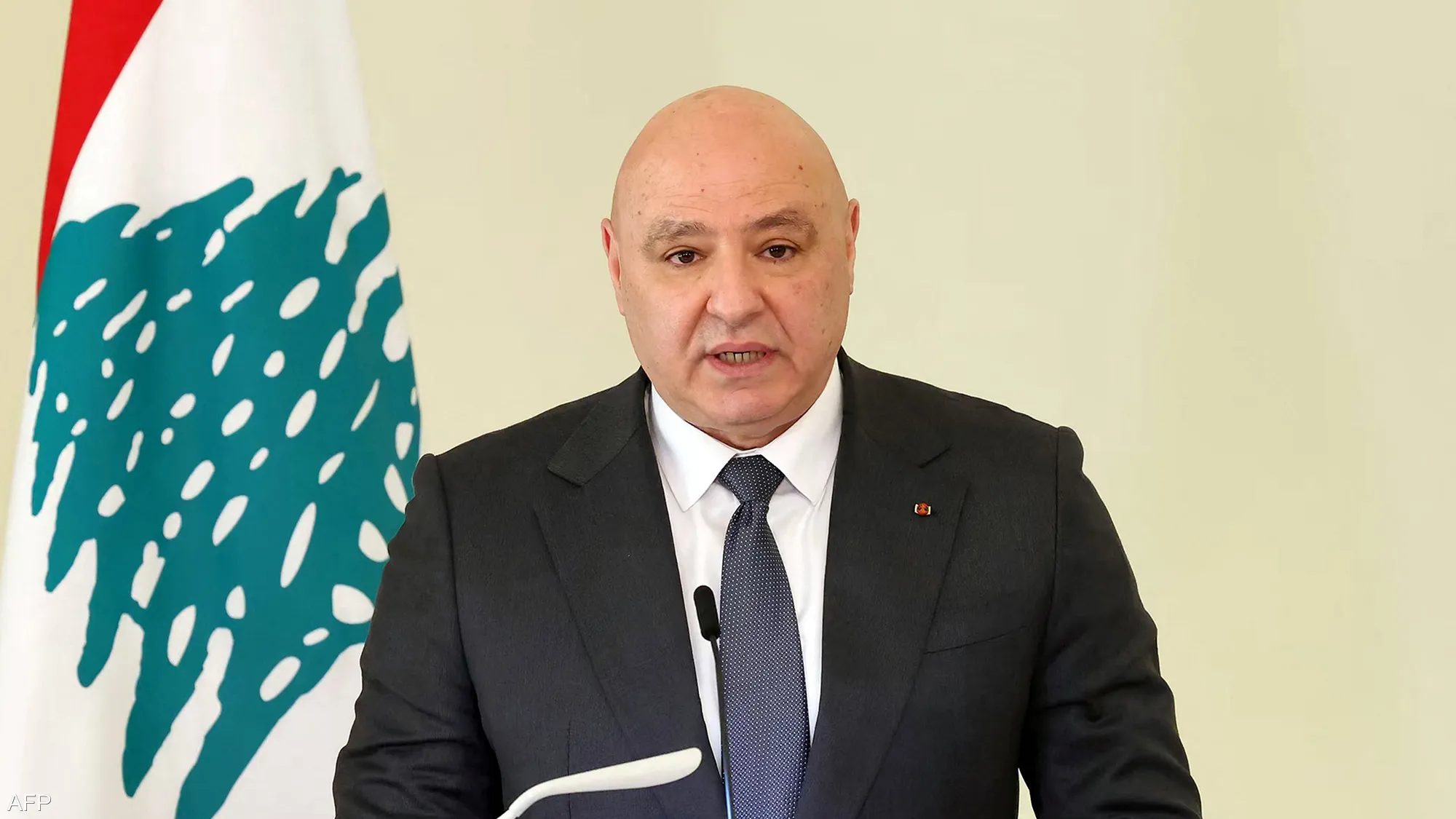
Beirut (Diplomat.so) - Lebanese President Joseph Aoun met former ambassador Simon Karam in Beirut on Friday, May 8, to prepare delegation for Washington talks with Israel scheduled next week.
The meeting forms part of Beirut’s diplomatic efforts ahead of talks expected next week in Washington involving Lebanese, American and Israeli delegations aimed at reinforcing the fragile ceasefire and addressing border security arrangements.
Washington Negotiation Preparations
Karam will head the Lebanese delegation scheduled to travel to Washington in the coming days, alongside Lebanon’s ambassador to the United States, her deputy, and a military representative, according to a presidential statement issued after the meeting.
A Lebanese official speaking to Agence France-Presse, requesting anonymity, said Karam "will travel soon to Washington” to lead the team, confirming logistical preparations for the talks.
Officials noted that Lebanese and Israeli representatives had already held two meetings in Washington in recent weeks, marking rare diplomatic engagement between the two countries, which remain formally in a state of war since 1948.
Lebanon’s Stated Negotiation Objectives
Foreign Minister Youssef Raji outlined Lebanon’s negotiating priorities on Friday, emphasizing three core objectives: "stabilizing the ceasefire, securing Israel’s withdrawal from occupied Lebanese territory, and extending full state sovereignty over national territory.”
The foreign minister said Lebanon’s approach remains focused on diplomatic channels to prevent escalation, while reiterating that any durable settlement must ensure respect for sovereignty and internationally recognized borders.
International Engagement
In a separate diplomatic engagement, Foreign Minister Raji held a phone call with Austrian Foreign Minister Beate Meinl-Reisinger, who expressed Vienna’s support for Lebanon’s decision to pursue negotiations and its readiness to assist in any framework proposed as an alternative to the UNIFIL mission.
The Austrian minister said Austria is prepared to contribute to the success of any future formula proposed by the Lebanese government, and emphasized continued support for humanitarian assistance to displaced populations.
Raji welcomed Austria’s position and called for increased international pressure on Israel to halt ongoing violations along Lebanon’s southern border, according to official statements.
Ceasefire Fragility
The ceasefire agreement in place since 17 April has remained fragile, with reports of continued Israeli airstrikes in southern Lebanon and ongoing military presence in several border villages.
The conflict escalated on 2 March after Hezbollah launched rockets toward northern Israel, drawing retaliatory strikes and widening cross-border tensions.
International diplomatic efforts have intensified, with United States officials supporting indirect engagement mechanisms, while President Donald Trump recently suggested the possibility of high-level meetings involving regional leaders in Washington.
Diplomat News Network analysis indicates that the Washington talks represent a rare diplomatic opening between Beirut and Tel Aviv, shaped by sustained international pressure to stabilize the Lebanon–Israel frontier and prevent further escalation.
Regional observers note that the outcome of the negotiations could influence border stability, reconstruction efforts in southern Lebanon, and the broader trajectory of Lebanon–Israel relations amid continued international mediation.
United Nations Interim Force in Lebanon deployments along the southern border continue to play a monitoring role despite repeated incidents, with Lebanese authorities calling for strengthened enforcement mechanisms to support the ceasefire framework and limit cross-border incidents.
Domestically, political leaders in Beirut face increasing pressure to secure tangible diplomatic progress, as economic strain and displacement in southern communities continue to affect public services and local stability.
Negotiation timelines remain closely coordinated between Lebanese and international partners, with officials indicating that procedural discussions in Washington will focus on sequencing security guarantees, withdrawal conditions, and verification mechanisms.
Analysts emphasize that sustained diplomatic engagement will be critical in determining whether the current ceasefire arrangement evolves into a more durable political framework, particularly as regional actors continue to link security arrangements with broader geopolitical negotiations.
Humanitarian considerations remain central to European engagement, with aid coordination efforts continuing alongside diplomatic initiatives aimed at supporting displaced populations and maintaining essential services in affected border regions.