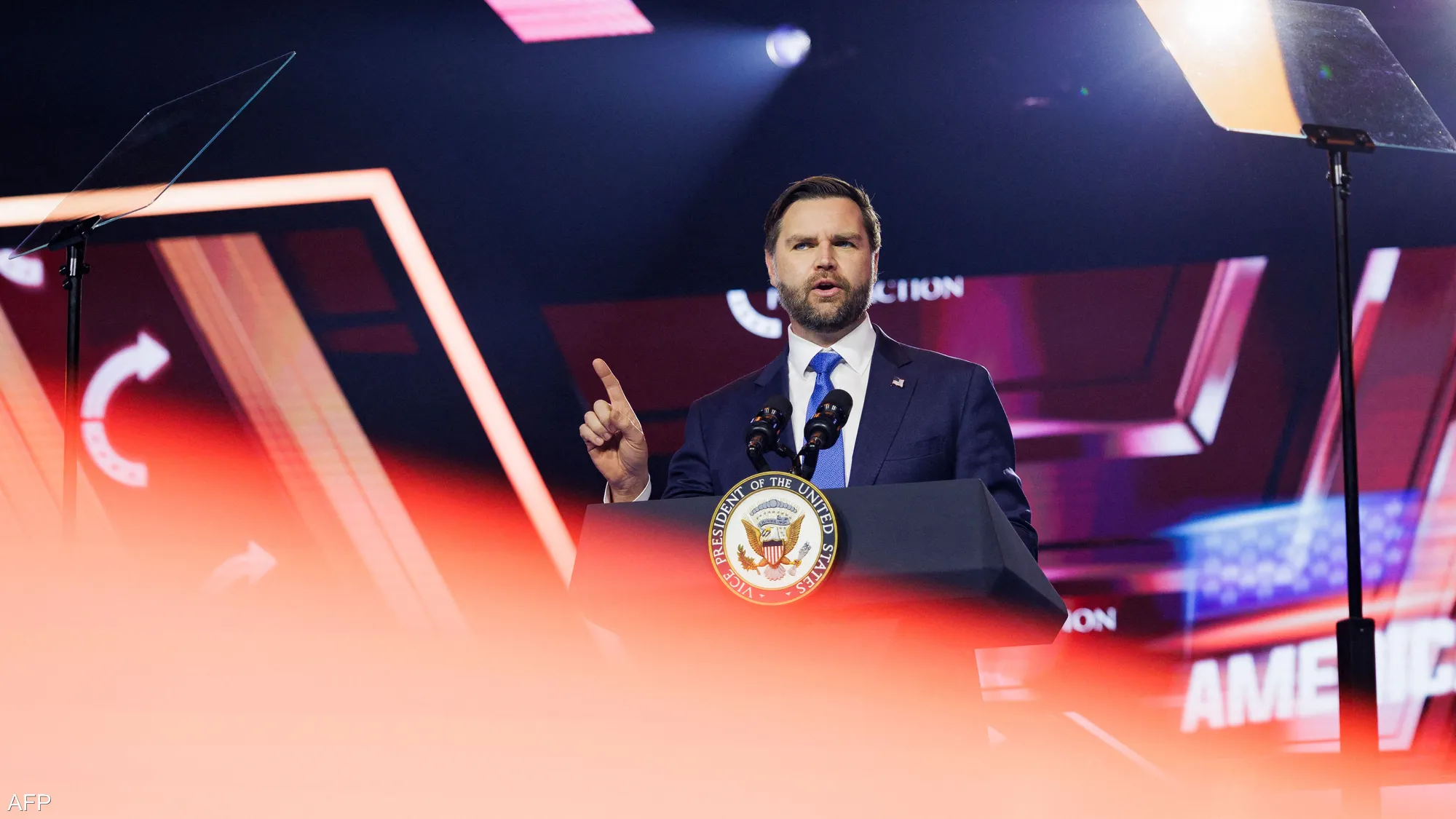
Washington, D.C. (Diplomat.so) - The White House confirmed that U.S. Vice President J.D. Vance delayed his planned visit to Pakistan on Tuesday, April 21, amid Tehran's failure to respond to American proposals for resuming a second round of negotiations in Islamabad.
Diplomatic Stalemate Emerges
A U.S. official familiar with the discussions said the postponement reflects growing uncertainty over Iran’s willingness to engage at this stage. The official, speaking to Diplomat News Network on condition of attribution, noted that diplomatic contacts remain ongoing despite the delay. "The visit has not been canceled and could be rescheduled quickly if Tehran signals readiness,” the official said.
Earlier statements from a senior White House representative indicated that Vance had not yet departed Washington and was continuing policy meetings with senior officials. Reports also confirmed that adviser Jared Kushner and special envoy Steve Witkoff remain in the United States, reinforcing indications that logistical and political arrangements for the talks remain incomplete.
In Tehran, Foreign Ministry spokesperson Esmail Baghaei said Iran has not made a final decision regarding participation in the proposed Islamabad meeting. He criticized Washington for what he described as "contradictory messages” and "unacceptable actions,” particularly in relation to recent U.S. measures affecting Iranian maritime activity.
Strait of Hormuz Dispute Complicates Talks
According to officials cited in international reporting, one of the central obstacles to restarting negotiations is the ongoing dispute over the Strait of Hormuz. Iran has reportedly linked its participation in talks to the lifting of what it calls a U.S. "blockade” on its ports and shipping routes.
Shipping traffic through the strategic waterway has declined sharply in recent days, with vessels reportedly rerouting to avoid potential confrontation. The United States has imposed restrictions aimed at limiting Iranian maritime movements, further escalating tensions.
A regional maritime observer based in the Gulf told Diplomat News Network that "commercial traffic has dropped noticeably, and insurance costs for vessels have increased, reflecting heightened risk perceptions among operators.”
Preparations Continue in Islamabad
Despite the uncertainty, Pakistani authorities have maintained extensive security preparations in Islamabad ahead of the anticipated talks. Security forces have increased deployments across key government areas, erecting barriers and restricting access to major roads in the capital’s diplomatic enclave.
Several hotels in the so-called "red zone” have been partially evacuated in anticipation of high-level delegations. Local shopkeeper Imran Ali described the atmosphere as tense but controlled. "We see more police and military vehicles than usual. Roads are blocked, and businesses are quieter because people are unsure what will happen,” he said.
Pakistani officials have emphasized the importance of clarity from both Washington and Tehran, noting that final arrangements must be confirmed before the expiration of the current ceasefire.
Ceasefire Deadline Adds Pressure
The diplomatic uncertainty coincides with the approaching end of a two-week ceasefire set to expire in the early hours of Wednesday. The truce had temporarily reduced hostilities but did not resolve underlying disputes.
U.S. President Donald Trump has taken a firm stance, indicating he is unwilling to extend the ceasefire without tangible progress. In recent remarks, Trump accused Iran of violating the truce "several times” and warned that the United States remains prepared to conduct additional military strikes if negotiations collapse.
At the same time, Trump expressed optimism about the possibility of reaching an agreement, stating that ongoing efforts aim to produce a deal "stronger” than previous nuclear arrangements.
Iranian Position Remains Unclear
Iranian officials have signaled conditional openness to dialogue but insist that U.S. actions must change before meaningful engagement can resume. Earlier indications suggested Tehran was considering sending a delegation to Islamabad, potentially led by Parliament Speaker Mohammad Bagher Ghalibaf if Vance were to attend.
However, the absence of a formal response has left Pakistan awaiting confirmation, complicating planning efforts and increasing uncertainty among diplomatic stakeholders.
An Iranian analyst based in Tehran, who requested not to be named due to the sensitivity of the issue, said the government is weighing internal and external factors. "There is debate over whether current conditions are suitable for talks, especially given recent developments at sea and political messaging from Washington,” the analyst said.
Broader Implications for the Region
The delay in talks underscores the fragile state of U.S.-Iran relations at a critical moment. The unresolved issues extend beyond the nuclear program to include regional security dynamics and control over key maritime routes.
Experts warn that the combination of military pressure, economic restrictions, and diplomatic hesitation increases the risk of escalation. The Strait of Hormuz remains a vital corridor for global energy supplies, and disruptions there could have wider economic consequences.
Political analyst Farah Naz told Diplomat News Network that the situation reflects a broader strategic impasse. "Both sides are attempting to negotiate from positions of strength, but the lack of trust and conflicting signals make progress difficult,” she said.