New York (Diplomat.so) – The Group of Seven nuclear non-proliferation directors issued a coordinated statement on Saturday, April 25, 2026, in New York expressing concern over Russia and China's expanding nuclear arsenals ahead of a major United Nations treaty review conference.
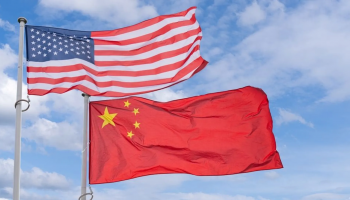
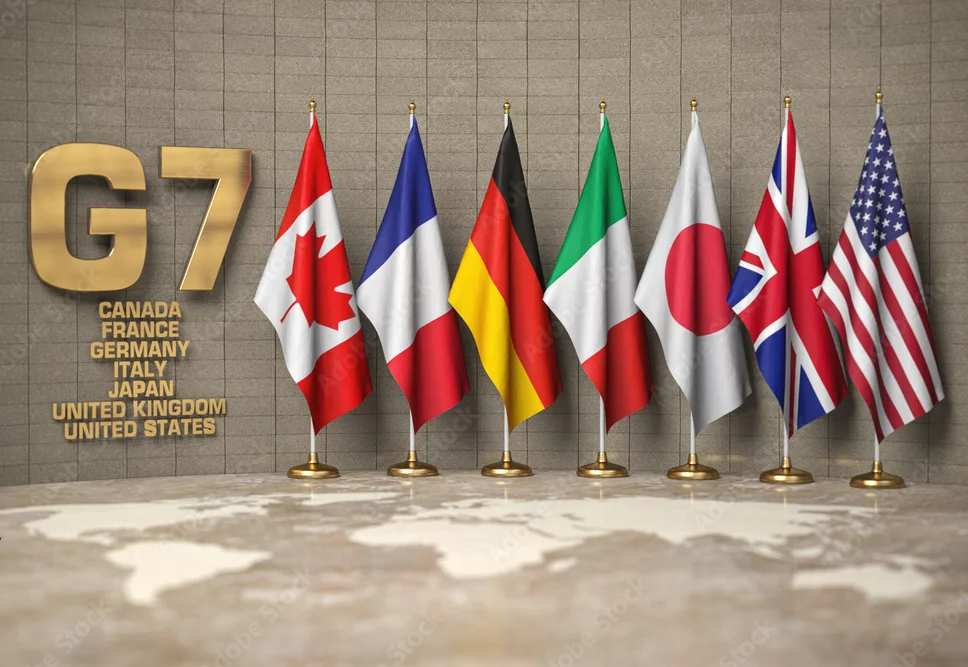
G7 officials representing Britain, Canada, France, Germany, Italy, Japan, and the United States said they were closely monitoring what they described as continued modernization and expansion of nuclear capabilities by Moscow and Beijing.
The statement was published on the French Ministry for Europe and Foreign Affairs website and circulated among diplomatic delegations preparing for the upcoming month-long Nuclear Non-Proliferation Treaty (NPT) Review Conference, set to open on Monday, April 27, 2026.
"We are concerned about the significant nuclear expansion and ongoing modernization of the nuclear arsenals of China and Russia,” the G7 non-proliferation directors said in their joint statement, emphasizing the need to reinforce global non-proliferation commitments.
Diplomatic observers noted increased activity around the United Nations headquarters in Manhattan, where delegations were seen arriving for preliminary consultations. Security presence has been visibly strengthened, with checkpoints and restricted zones expanding around the conference venue.
A French diplomatic source familiar with the coordination efforts told Diplomat News Network that "maintaining unity among NPT members is becoming more challenging amid rising geopolitical tensions and parallel conflicts affecting global security perceptions.”
The statement also underscored continued support for the treaty framework. "We strongly encourage the United States to pursue multilateral strategic stability efforts,” the G7 directors added, signaling backing for renewed diplomatic engagement among major nuclear powers.
The United Nations conference arrives at a period marked by heightened strategic competition and overlapping global crises, including the ongoing war in Ukraine and broader Middle East tensions involving Iran. Analysts say these developments are likely to dominate discussions and complicate consensus-building efforts among the treaty’s 191 member states.
At a nearby diplomatic briefing area, a European delegation official, speaking on condition of attribution, said discussions remained "constructive but cautious,” noting that "trust deficits between major powers are still shaping negotiation dynamics.”
Background briefings indicate that previous review conferences have struggled to produce consensus final documents, with deep divisions over disarmament obligations and enforcement mechanisms. The upcoming session is expected to test whether participating states can maintain unity around the treaty’s three pillars: non-proliferation, disarmament, and peaceful use of nuclear energy.
Diplomatic analysts suggest that while the G7 statement reinforces Western alignment on non-proliferation priorities, broader agreement among all parties remains uncertain, reflecting persistent divisions in the global security architecture.