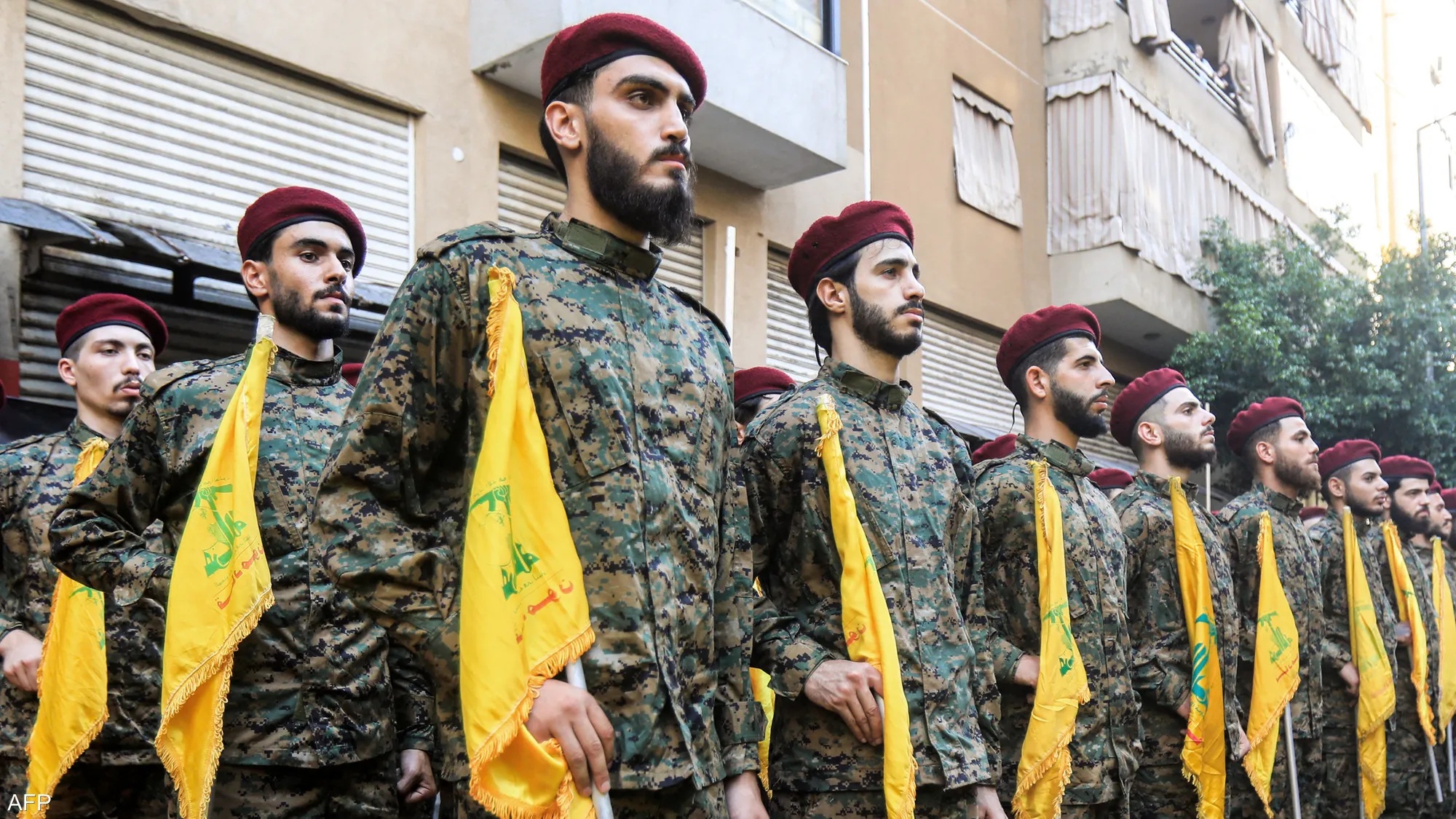
Beirut (Diplomat.so) – The Israeli military warned residents of seven neighborhoods in Beirut's southern suburbs to evacuate on Tuesday, ahead of imminent airstrikes targeting alleged Hezbollah infrastructure in the area.
The Israeli military, through spokesperson Avichay Adraee, issued the evacuation notice on social media platform X, urging civilians to leave immediately while stating that operations would intensify against what it described as military infrastructure belonging to Hezbollah in the densely populated Dahieh district of Beirut, Lebanon. "The army does not intend to harm you, and for your safety you must evacuate immediately,” Adraee said in the statement.
In parallel developments, the Lebanese Ministry of Public Health reported that an Israeli airstrike on the town of Haboush in southern Lebanon’s Nabatieh district killed three civilians and injured 18 others. Residents described scenes of panic as emergency crews responded to damaged buildings and scattered debris in the aftermath of the strike.
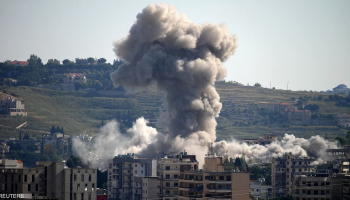
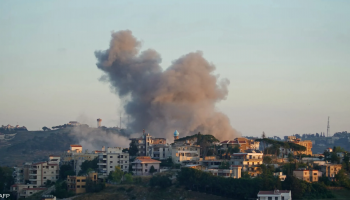
Further north of Beirut, residents in coastal and mountainous areas reported a series of loud explosions that were heard across multiple neighborhoods, including Jounieh. A local resident, speaking on condition of attribution, said, "The explosions came one after another and shook the windows. People rushed outside not knowing what was happening.” A military source cited by local media suggested the blasts may have been linked to interception systems responding to incoming projectiles, though no official confirmation was provided.
Visuals broadcast by local outlets showed structural damage to buildings in coastal areas north of the capital, with shattered windows and visible shrapnel impact marks. Another resident noted that "the noise was unusual for this area, which is normally far from the frontline,” reflecting growing concern among communities previously unaffected by the conflict.
Political reactions also emerged in Beirut. Samir Geagea, head of the Lebanese Forces party, stated that the conflict had broader implications for Lebanon’s sovereignty and finances. "We will not accept that the state pays a single lira for a war we did not choose,” Geagea said in a televised interview, adding that Lebanon should instead pursue compensation from external actors he identified as involved in the conflict. His remarks underscore domestic political divisions over Lebanon’s role amid escalating regional tensions.
Analysts say the widening geographic scope of incidents—from southern border towns to areas north of Beirut—reflects a shift in the conflict’s intensity and reach. A Beirut-based security analyst told Diplomat News Network that the pattern of strikes and interceptions indicates "a broader operational theater where civilian areas are increasingly exposed,” highlighting the risks to infrastructure and civilian populations.
The latest developments follow months of intermittent cross-border exchanges, with both sides conducting strikes and countermeasures that have gradually expanded beyond traditional frontline zones. The situation continues to evolve as authorities and residents brace for further escalation.