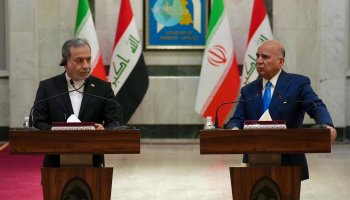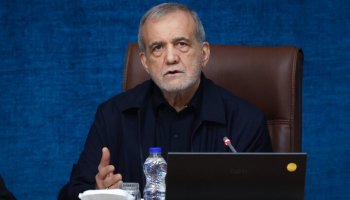
Tehran (Diplomat.so) – Iranian Foreign Minister Abbas Araghchi told U.S. envoy Steve Witkoff that Tehran had secured approval from Supreme Leader Mojtaba Khamenei to swiftly end the ongoing conflict through negotiations, according to a report published Tuesday by Israeli newspaper Yedioth Ahronoth.
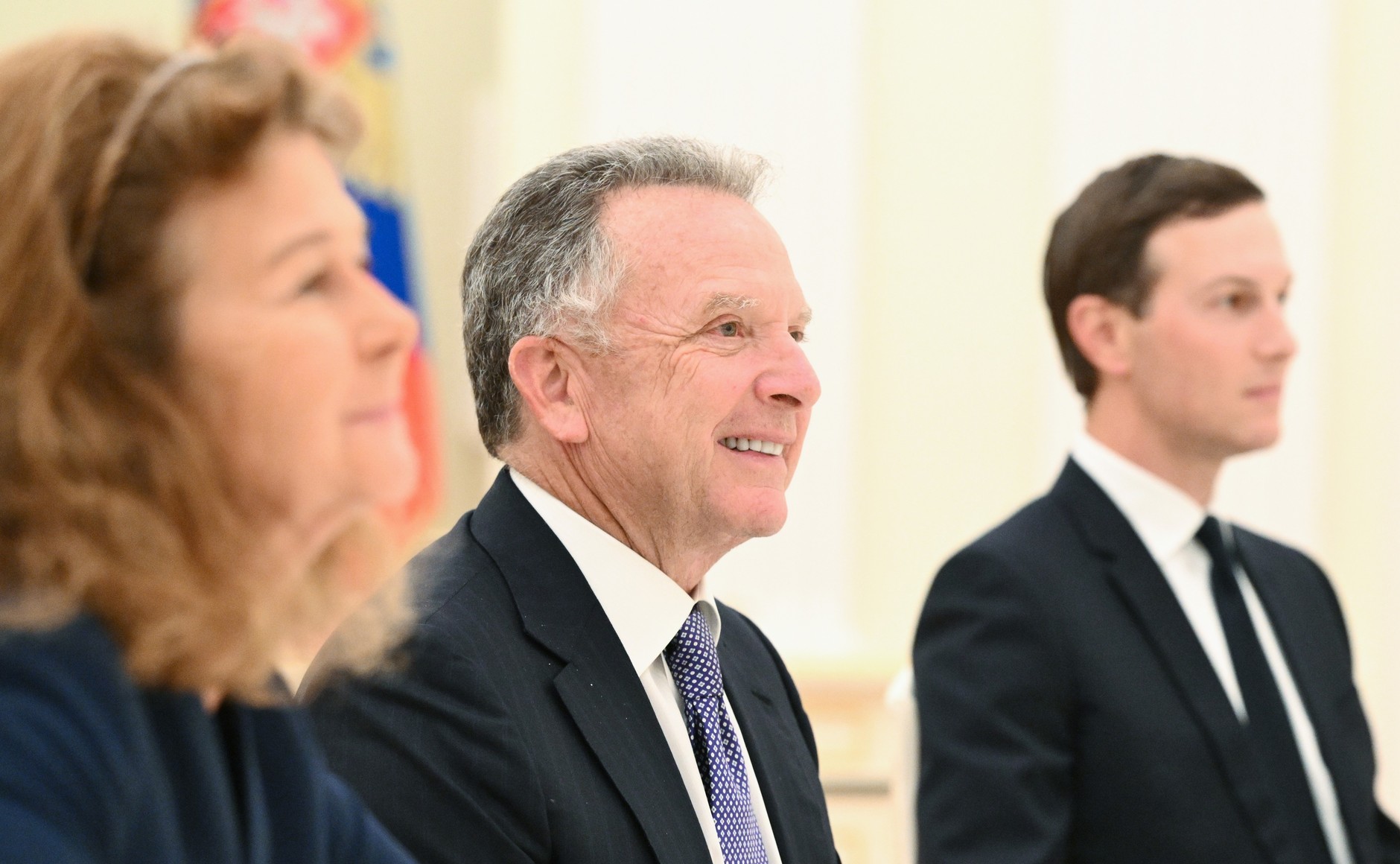
The report said the conversation involved senior figures from both Iran and the United States, including Jared Kushner, who participated alongside Witkoff. Araghchi was described as emphasizing Iran’s readiness to reach a settlement, stating that approval had been granted by Iran’s top leadership to "close the file as soon as possible,” provided Tehran’s conditions are met.
A senior Israeli official familiar with the matter said the message conveyed by Araghchi aimed to demonstrate stability within Iran’s leadership structure.
The reported exchange comes amid heightened tensions following earlier negotiations in Geneva, where Iranian officials believed Washington had not honored prior understandings. Despite this, Araghchi reportedly acknowledged that diplomacy remains the only viable path to ending hostilities.
According to the report, the discussions developed into draft proposals exchanged between the parties. Iran is said to have reiterated positions previously discussed in Geneva, including a willingness to consider transferring highly enriched uranium stockpiles to Russia. However, Tehran has refused to make concessions related to its ballistic missile program or agree to a complete halt of uranium enrichment within its territory.
During the exchange, Witkoff reportedly raised his voice while reiterating U.S. President Donald Trump’s position that Iran must not continue uranium enrichment. The tone of the conversation reflected persistent mistrust between the two sides, even as diplomatic engagement continues.
On the ground, diplomatic activity has intensified, with intermediaries facilitating indirect communication channels since the early phase of the conflict. Observers in Tehran described increased movement around government offices, including heightened security presence and restricted access to key administrative areas.
Regional analysts say the reported backchannel negotiations highlight a pragmatic shift by both sides. "This suggests a recognition that escalation carries significant risks for all parties involved,” said Reza Mahmoudi, a Tehran-based political analyst. "Even limited progress could reduce immediate tensions, though core disagreements remain unresolved.”
The report also noted that Israel has expressed concern over being excluded from the negotiations and has not received formal briefings from Washington, underscoring potential strains in coordination among allies.
Efforts are underway to arrange high-level meetings, including a possible engagement between U.S. Vice President James David Vance and Iranian Foreign Minister Abbas Araghchi , as both sides explore pathways toward de-escalation despite remaining disagreements.