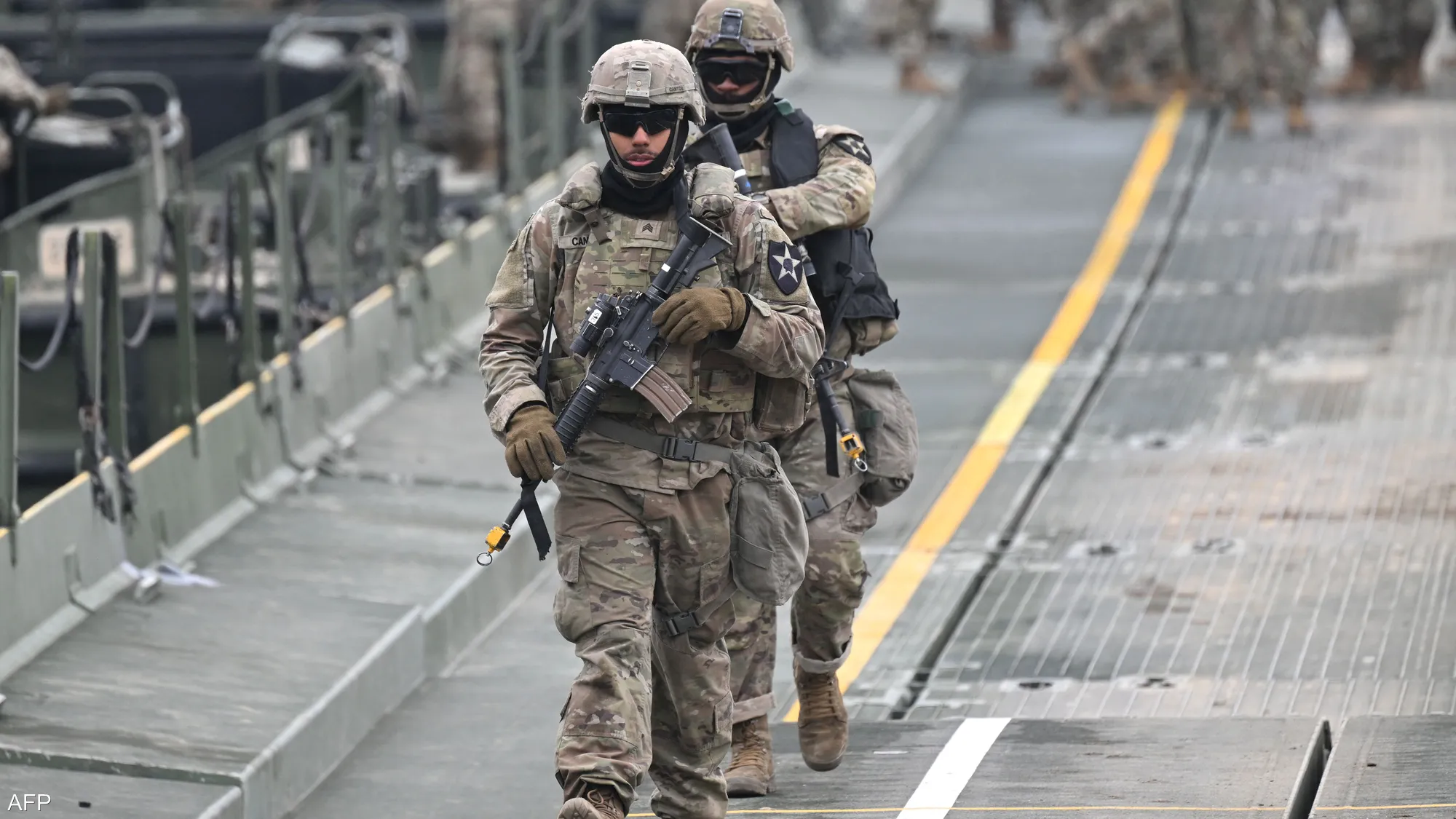
Washington, D.C. (Diplomat.so) – Pentagon announced Wednesday, April 22, that 400 U.S. service members were injured during Operation "Epic Rage," a coordinated United States and Israel military campaign against Iran, according to updated defense casualty tracking data released through the Department of War analysis system.
The Pentagon said the majority of injuries occurred within the U.S. Army, accounting for 271 personnel, while 64 Navy sailors, 19 Marines, and 46 Air Force members were also reported injured, according to figures cited by CBS News.
A senior Pentagon spokesperson, speaking during a routine press briefing, stated that "the casualty figures reflect combat-related and operational incidents recorded since the early phase of the campaign.”
CBS News reported that 13 U.S. service members were killed during the initial stages of Operation "Epic Rage,” with officials confirming all fatalities occurred among Army and Air Force personnel deployed in forward positions.
"The first weeks of the operation were the most intense, with sustained missile and drone activity,” a U.S. Army officer, speaking on condition of attribution, told Diplomat News Network.
Separately, the Department of Defense informed congressional members in a classified briefing that clearing Iranian-laid mines in the Strait of Hormuz could take up to six months.
The assessment, later reported by The Washington Post, was delivered by a senior defense official who warned lawmakers that "operational timelines will likely extend beyond the end of active hostilities.” The official added that clearance operations would require sustained naval deployment and allied engineering support.
Military analysts said the prolonged timeline could have wider economic consequences. Energy security expert Helen Markovic noted that "any disruption in the Strait of Hormuz directly translates into volatility in global oil markets, particularly given the volume of crude passing through daily.”
A congressional staff member described lawmakers as "frustrated and concerned” over projections suggesting extended fuel price pressure in the United States.
Local observations from U.S. defense installations indicate heightened operational tempo, with increased logistical movement and restricted access zones reported near naval staging areas. Families of deployed personnel have also expressed concern, with one relative of a Navy sailor stating, "We are getting updates, but uncertainty remains high about how long this will last.”
The Strait of Hormuz, a critical maritime chokepoint, remains central to global energy flows, with nearly one-fifth of global oil shipments passing through the narrow waterway. Military planners continue to assess long-term security risks, while diplomatic channels remain limited amid ongoing tensions between Washington and Tehran.