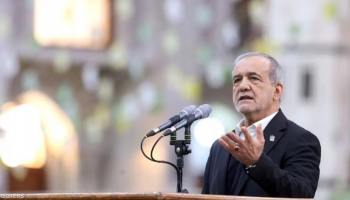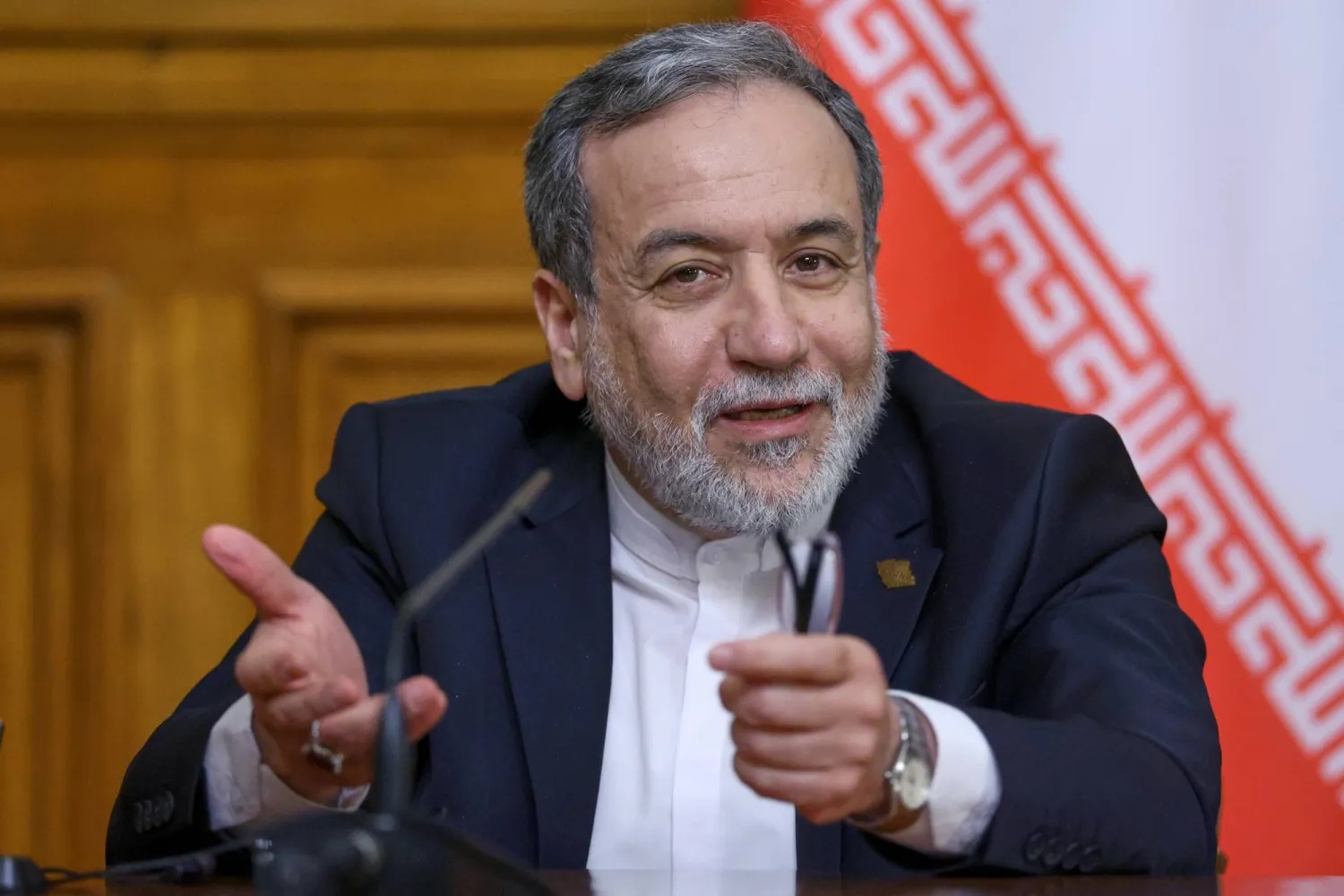
Tehran (Diplomat.so) — Iran's Minister of Foreign Affairs, Abbas Araghchi, announced Thursday that Washington dismissed Tehran's proposal for a nuclear-weapon-free Middle East, citing a lack of understanding of technical details. The remarks came amid escalating regional tensions and accusations of attacks on Iran's infrastructure and cultural sites.
In a series of posts on his X account, Araghchi criticized the United States’ approach to global economic issues, writing that "Americans won’t ‘make money’ from surging oil prices and tariffs. They enrich corporations and crush households.”
Factual knowledge matters.
— Seyed Abbas Araghchi (@araghchi) March 12, 2026
Case 1: Iran's proposal to ensure NO NUCLEAR WEAPONS was dismissed because U.S. counterparts didn't grasp the technical details.
Case 2: Americans won't "make money" from surging oil prices and tariffs. They enrich corporations and crush households.
He further accused Israel of targeting Iran’s historical monuments, including several UNESCO World Heritage Sites dating back to the 14th century. "It’s natural that a regime that won’t last a century hates nations with ancient pasts. But where’s UNESCO? Its silence is unacceptable,” he stated.
Araghchi also reported a bombing at Bank Melli, Iran’s oldest financial institution, which he described as occurring while staff were preparing for Nowruz, the Persian New Year. "Our Powerful Armed Forces will exact retribution for this crime,” he warned. Locals in central Tehran corroborated the disruption, describing a tense atmosphere, increased security patrols, and street closures near the bank. One shopkeeper, who requested anonymity, said, "People are worried but determined to carry on; it feels like the city is holding its breath.”
Regarding allegations of planned attacks on the United States, Araghchi dismissed the claims as false, stating that they were used to justify what he called "Operation Epic Mistake, a misadventure engineered by Israel and paid for by ordinary Americans.”
The latest statements underscore Iran’s ongoing push for regional security recognition amid growing U.S.-Iran tensions. Analysts note that Washington’s dismissal of Iran’s nuclear proposal could further strain diplomatic channels, particularly as global powers monitor the Middle East nuclear landscape.
Experts suggest the situation may influence oil markets and regional alliances. "Any escalation involving Iran’s claims of attacks and U.S. dismissals of proposals could destabilize both local economies and energy supply chains,” said Zahra Hosseini, a regional security analyst based in Tehran.
Iran signals both military readiness and diplomatic grievances, observers say international bodies, including UNESCO and the IAEA, may face mounting pressure to respond. The coming weeks are likely to test the durability of multilateral negotiations on nuclear nonproliferation and regional security.