London (Diplomat.so) - The United Kingdom Maritime Trade Operations (UKMTO) said it had received multiple reports from commercial vessels operating in the Gulf that they were sent messages indicating the Strait of Hormuz had been closed, raising fresh maritime security concerns as regional tensions intensify on Saturday.
In a statement issued the same day, UKMTO confirmed that ships transiting the area reported receiving notifications referring to the closure of the strategic waterway. The agency did not identify the origin, format, or technical source of the messages and did not verify their authenticity.
Separately, an official with the European Union’s naval mission, European Union Naval Force – Operation Aspides, said vessels were receiving communications over very high frequency (VHF) radio from Iran’s Islamic Revolutionary Guard Corps stating that "no vessel is permitted to transit the Strait of Hormuz.” The official, speaking to Reuters on condition of anonymity, added that Tehran had not formally confirmed issuing such an order.
As of publication, Iranian authorities had not publicly announced any official closure of the waterway, and no internationally recognized maritime notice to mariners had been issued confirming a blockade.
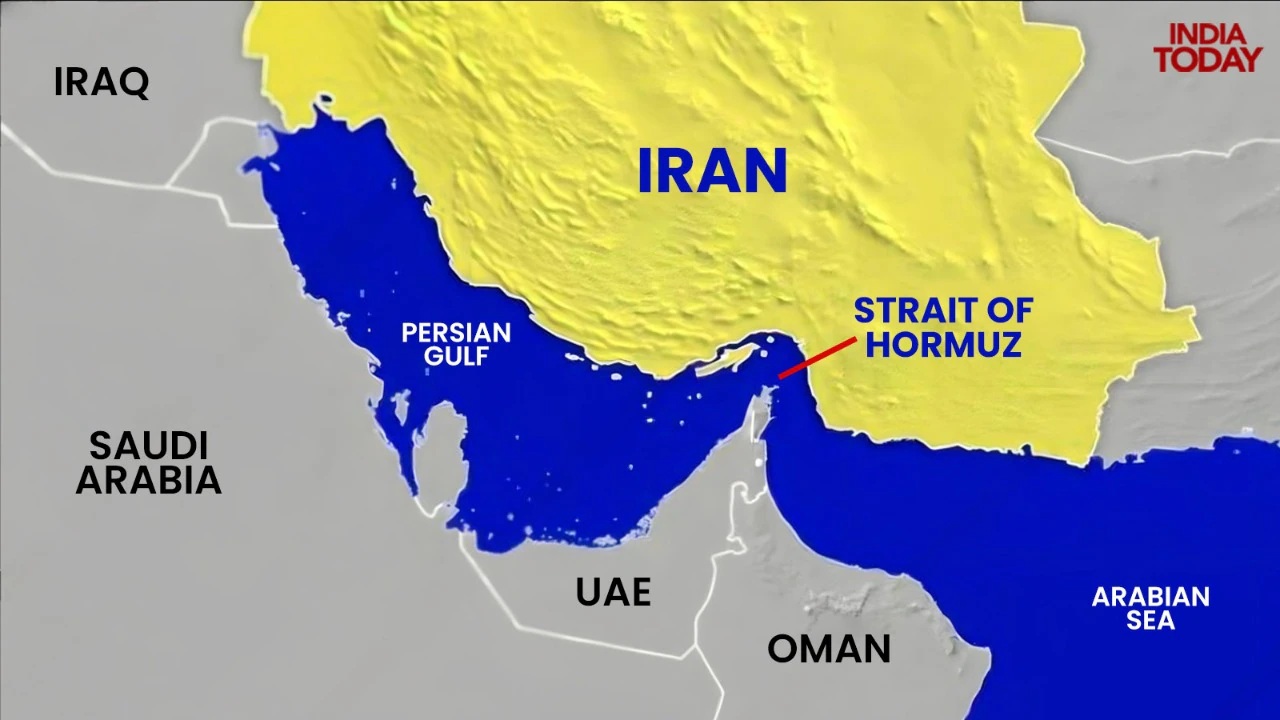
The Strait of Hormuz remains the world’s most critical oil transit chokepoint, linking major Gulf producers — including Saudi Arabia, Iran, Iraq, and the United Arab Emirates — to the Gulf of Oman and onward to global markets via the Arabian Sea. According to the U.S. Energy Information Administration, roughly one-fifth of global petroleum liquids consumption transits the strait each day.
Maritime security specialists note that even unverified radio broadcasts can disrupt commercial shipping patterns, elevate insurance premiums, and introduce volatility into energy markets. Diplomat News Network has independently reviewed the UKMTO advisory and confirmed that, as of Saturday evening, no formal navigational directive closing the strait had been issued through established international maritime channels.
Shipping companies and energy traders are continuing to monitor official advisories closely.