Tehran (Diplomat.so) – Iranian Foreign Ministry spokesperson Esmaeil Baghaei said on Monday, June 22, that Iran's negotiating delegation concluded its mission in this phase of talks with the United States and mediators, while technical teams continue work on implementation mechanisms and confidence-building measures.
Baghaei stated that discussions held in Switzerland involved preparatory steps toward a potential final agreement, including sanctions-related arrangements, maritime security provisions, and ceasefire compliance mechanisms. He added that the delegation’s mandate at the political level had ended for now, with technical committees expected to advance unresolved issues.
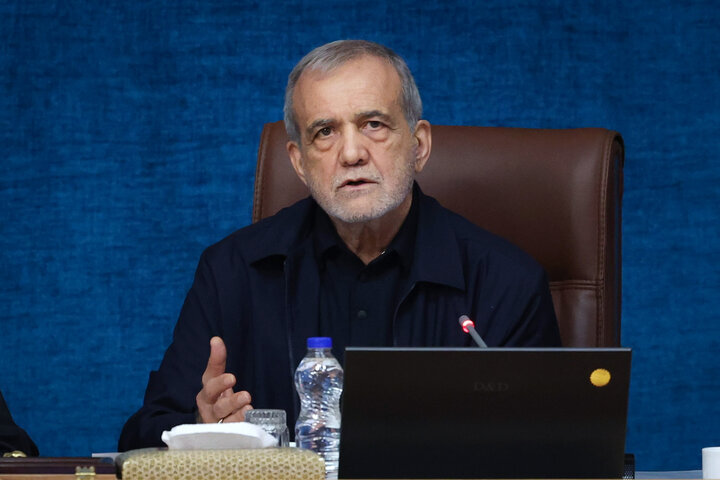
Iranian President Masoud Pezeshkian said Tehran entered the negotiations without offering concessions. "Iran entered the talks without giving concessions,” Pezeshkian said, adding that the process had produced limited openings on related regional issues, particularly Lebanon, describing them as "positive developments.”
Ayatollah Seyed Mojtaba Khamenei reportedly endorsed a memorandum of understanding with the United States after assurances that Tehran would not be required to make concessions during the current framework of discussions.
Baghaei described the Swiss meetings as "a very long day,” noting that sessions began in the morning and continued for nearly 18 hours. He said tensions escalated during a quadrilateral format involving the United States and mediators, after what he described as "threatening American statements” led Iran to withdraw from that structure. "We were not prepared to continue the quadrilateral meeting under such conditions,” he said.
He added that Qatar and Pakistan attempted to sustain dialogue, but Iran insisted on restructuring the format. Baghaei also emphasized Tehran’s position that any agreement must ensure compliance by the opposing side, citing concerns over continued ceasefire violations in Lebanon and broader regional instability.
"We raised Iran’s concerns about non-compliance repeatedly, including ongoing violations of the ceasefire,” Baghaei said, stressing the need to halt hostilities across all fronts. He noted that discussions also covered licensing arrangements for Iranian oil exports, the potential unfreezing of Iranian assets, and the establishment of a mechanism to guarantee safe passage for commercial vessels through the Strait of Hormuz.
Diplomatic sources cited by Diplomat News Network indicated that technical progress was made on enforcement mechanisms and phased implementation steps, though political disagreements remain unresolved. A United States diplomat, speaking to the Associated Press, confirmed "measurable progress” in discussions involving maritime security guarantees and ceasefire arrangements in Lebanon.
Separately, Iranian Foreign Minister Abbas Araghchi said some frozen Iranian assets had been released through mediation by Qatar and Pakistan, adding that sanctions on certain energy exports had been eased as part of ongoing understandings.
Pakistan’s Prime Minister Shehbaz Sharif described Iran’s approach as constructive, stating that Tehran’s leadership was "serious about supporting peace in the Middle East” following the conclusion of the Swiss round.
The talks come amid heightened regional tensions and ongoing diplomatic efforts involving multiple intermediaries. Analysts note that the emergence of technical-level negotiations suggests partial institutional continuity, even as political disagreements persist over enforcement, sanctions relief, and regional security arrangements.