Washington, D.C. (Diplomat.so) - The White House submitted to the US Congress on Thursday the full text of a memorandum of understanding between the United States and Iran, following reporting by Reuters, outlining an immediate cessation of military operations, a 60-day negotiation period, and phased provisions covering sanctions relief, maritime security, and energy cooperation.
According to the memorandum of understanding submitted by the US administration to Congress and reviewed by Reuters, the agreement includes the following provisions:
➤ The United States and Iran declare an immediate and permanent cessation of military operations on all fronts, including Lebanon.
➤ Both sides commit to negotiating a final agreement within 60 days, with the possibility of extension if mutually agreed.
➤ The United States will fully lift the naval blockade imposed on Iran within 30 days.
➤ Upon reaching a final agreement, the United States will withdraw its forces stationed near Iran within 30 days.
➤ The United States and regional partners will develop a $300 billion reconstruction and economic development plan for Iran.
➤ Iran guarantees the safe and free passage of commercial vessels through the Strait of Hormuz for 60 days.
➤ As part of the final agreement, the United States will lift all sanctions imposed on Iran.
➤ Iran states it will not acquire or develop nuclear weapons.
➤ The United States will issue exemptions for Iranian oil exports.
➤ The United States and Iran will negotiate the release of frozen Iranian assets.
➤ The final agreement between the United States and Iran will be endorsed through a United Nations Security Council resolution.
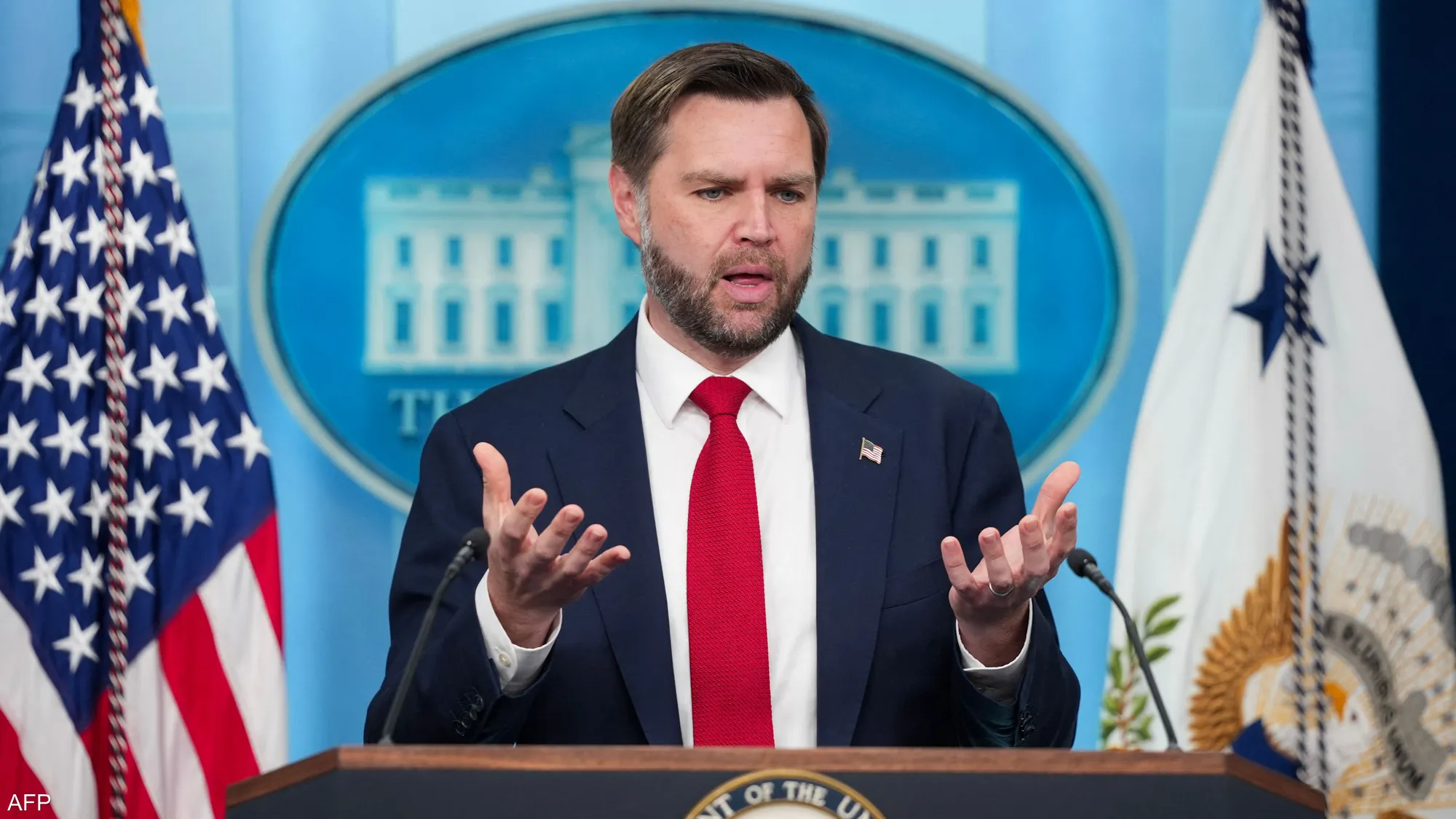
US Vice President JD Vance said at a White House briefing: "The 60-day period began officially today,” and added, "We are starting the countdown from today,” according to reporting by Diplomat News Network.
He further stated, "We believe Iran will not possess missiles that threaten the world,” and described the nuclear program as having effectively ended under the emerging framework.
Vance also noted that technical negotiations are expected to begin early next week, subject to the presence of the Iranian delegation, and said he may travel to Switzerland for follow-up discussions. He urged regional restraint, stating that Israel should respect the emerging diplomatic process, while calling civilian casualties in Lebanon unacceptable.
He emphasized a potential role for the Lebanese government in managing security in the south, rather than non-state armed groups, as part of broader stabilization efforts.
The development comes amid longstanding tensions between Washington and Tehran over nuclear enrichment, sanctions enforcement, and maritime security in the Gulf. The Strait of Hormuz, through which a significant portion of global oil shipments passes, remains a central point of strategic concern for global energy markets and regional stability.
Analysts view the framework as a significant shift toward structured negotiations after years of intermittent escalation, with potential implications for energy flows, regional alliances, and military posturing across the Middle East. The durability of the process is expected to depend on verification mechanisms, compliance enforcement, and the political willingness of both parties to sustain diplomatic engagement through the proposed transition period.