Rome (Diplomat.so) – The Food and Agriculture Organization (FAO) and the World Food Programme (WFP) on Thursday, June 18, issued a joint assessment warning that global food insecurity is set to deteriorate sharply in multiple crisis zones, with conflict, economic shocks, and climate variability driving millions closer to famine conditions across several regions.
The FAO and WFP report highlighted that approximately 266 million people are currently experiencing high levels of acute food insecurity, with conditions expected to worsen between June and November 2026.
The agencies identified 13 global hunger hotspots, naming Sudan, South Sudan, Yemen, and the occupied Palestinian territory among the most severe cases, while also adding Nigeria and Somalia due to escalating risks linked to violence and disrupted food systems.
At FAO headquarters in Rome, the report emphasized that armed conflict remains the primary driver of hunger in nearly all identified hotspots. "Without acting now, millions more are expected to face worsening levels of hunger in the coming months, pushing some closer to famine,” said WFP Executive Director Carl Skau in a statement carried by Diplomat News Network.
A second statement contained in the joint FAO-WFP assessment underscored that humanitarian funding constraints are significantly undermining response capacity, warning that reduced financing is limiting food assistance operations at a time when needs are rising sharply across multiple regions.
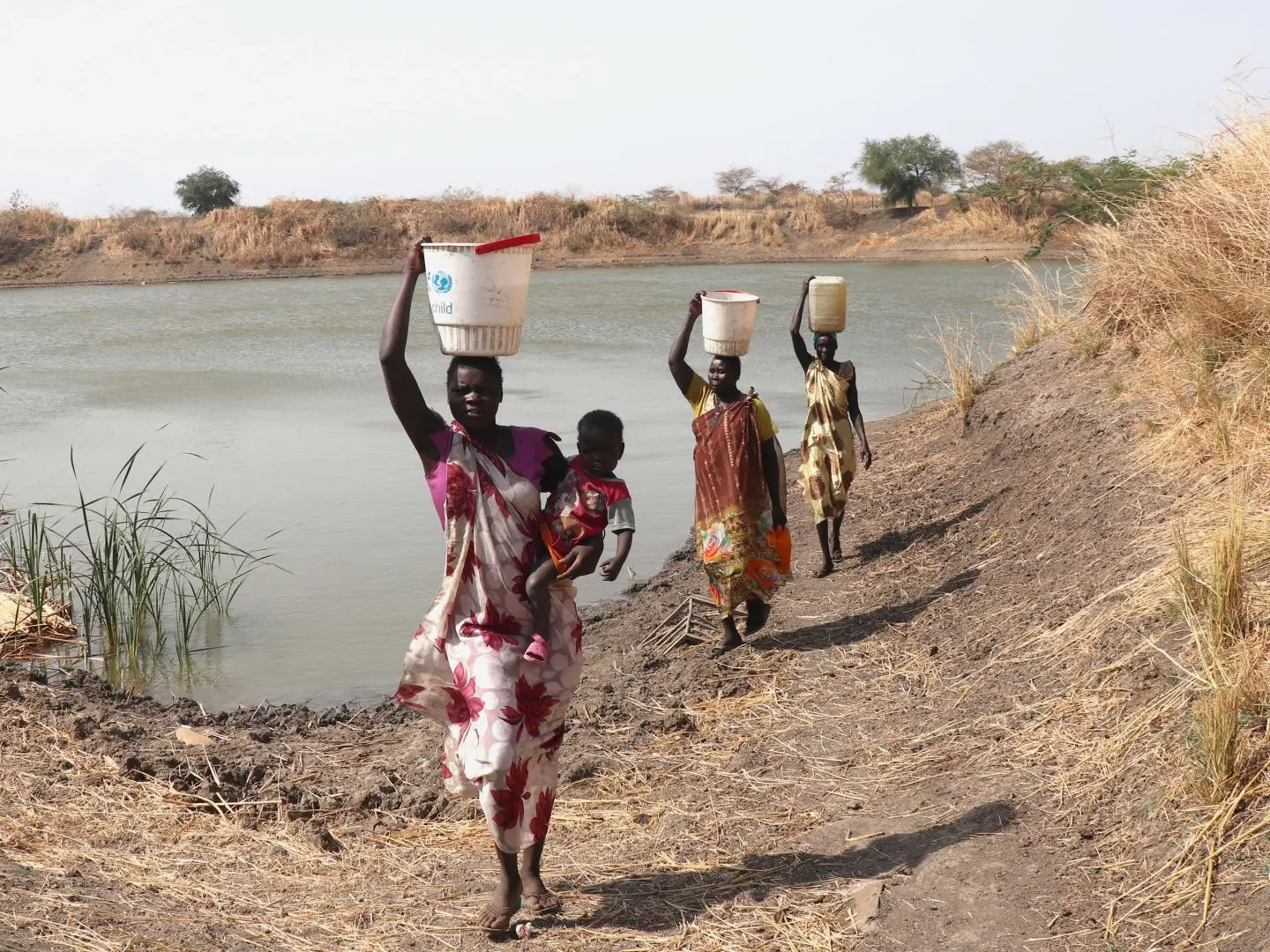
Field-level accounts from affected regions reflect growing strain. In parts of South Sudan, local aid workers described rising food prices and reduced market availability. "We are seeing families skipping meals for days,” said a humanitarian coordinator based in Juba, speaking on condition of attribution. In Somalia, community members reported that erratic rainfall and persistent insecurity have further restricted access to farmland and livestock routes.
The report situates the crisis within broader structural pressures, including global inflation, climate shocks linked to El Niño patterns, and sustained displacement in conflict zones. It also notes that humanitarian agencies are facing operational constraints as funding shortfalls reduce the scale of emergency food distribution and nutrition programs.
Analysts say the addition of Nigeria and Somalia to the highest-risk category reflects a widening geographic spread of acute hunger, particularly in areas where insecurity overlaps with climate vulnerability. The inclusion signals growing concern that food crises are no longer confined to traditional conflict zones but are expanding into regions with already fragile coping systems.
The FAO and WFP stressed that coordinated international action is needed to prevent further deterioration, particularly as seasonal weather extremes threaten agricultural production cycles in already stressed regions. The agencies warned that without sustained intervention, humanitarian needs will outpace response capacity in multiple hotspots over the coming months.