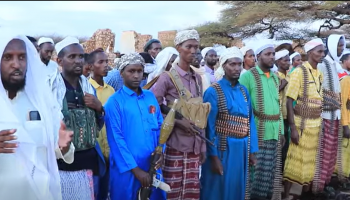
Mogadishu (Diplomat.so) – Traders at the Siinka-dher camel market on the outskirts of southwestern Mogadishu, about 17 kilometers from the capital, reported on Wednesday, June 17, that a newly imposed tax increase on camel sales is disrupting livestock trade flows into the city's main slaughterhouses.
Camel traders at Siinka-dher market, working with logistics routes linking Afgoye district and the Benadir regional markets, said the revised levy has raised operational costs and reduced the number of camels being transported to Mogadishu’s southern and northern abattoirs. Diplomat News Network gathered accounts from traders, transporters, and local buyers describing immediate price pressures and declining supply activity.
Several traders stated that the per-camel tax has increased from $5 to $7, with additional charges applied at two collection points: Afgoye under Southwest State and Siinka-dher under the Benadir Regional Administration (BRA). One livestock trader said the double taxation structure is discouraging movement of animals toward urban markets, noting that "the cost burden is now too high for regular flow of livestock into Mogadishu’s consumption chain.”
Another trader operating transport routes between rural grazing zones and the capital said livestock owners are reconsidering sales timing due to rising fees, adding that "buyers are reducing demand as retail prices rise faster than household incomes can adjust.”
On the ground, market activity appeared significantly reduced compared to previous weeks, with fewer camel trucks arriving in the early morning hours and reduced bargaining activity around holding pens. Local observers noted that some sections of the market remained largely empty, a contrast to typical high-density trading conditions.
Retail prices have also adjusted sharply. Traders reported that camel meat, previously averaging $4 per kilogram, has increased to about $7 per kilogram in Mogadishu markets. The price of a single camel has reached approximately $1,200, placing it beyond the reach of many local consumers. Some residents said they have shifted consumption patterns toward goat meat, chicken, and fish due to affordability concerns.
A pastoral economy analyst based in Mogadishu said the situation reflects broader structural pressure on Somalia’s livestock trade system, noting that "tax layering at multiple administrative points risks distorting traditional supply chains that depend on mobility and low transaction costs.”
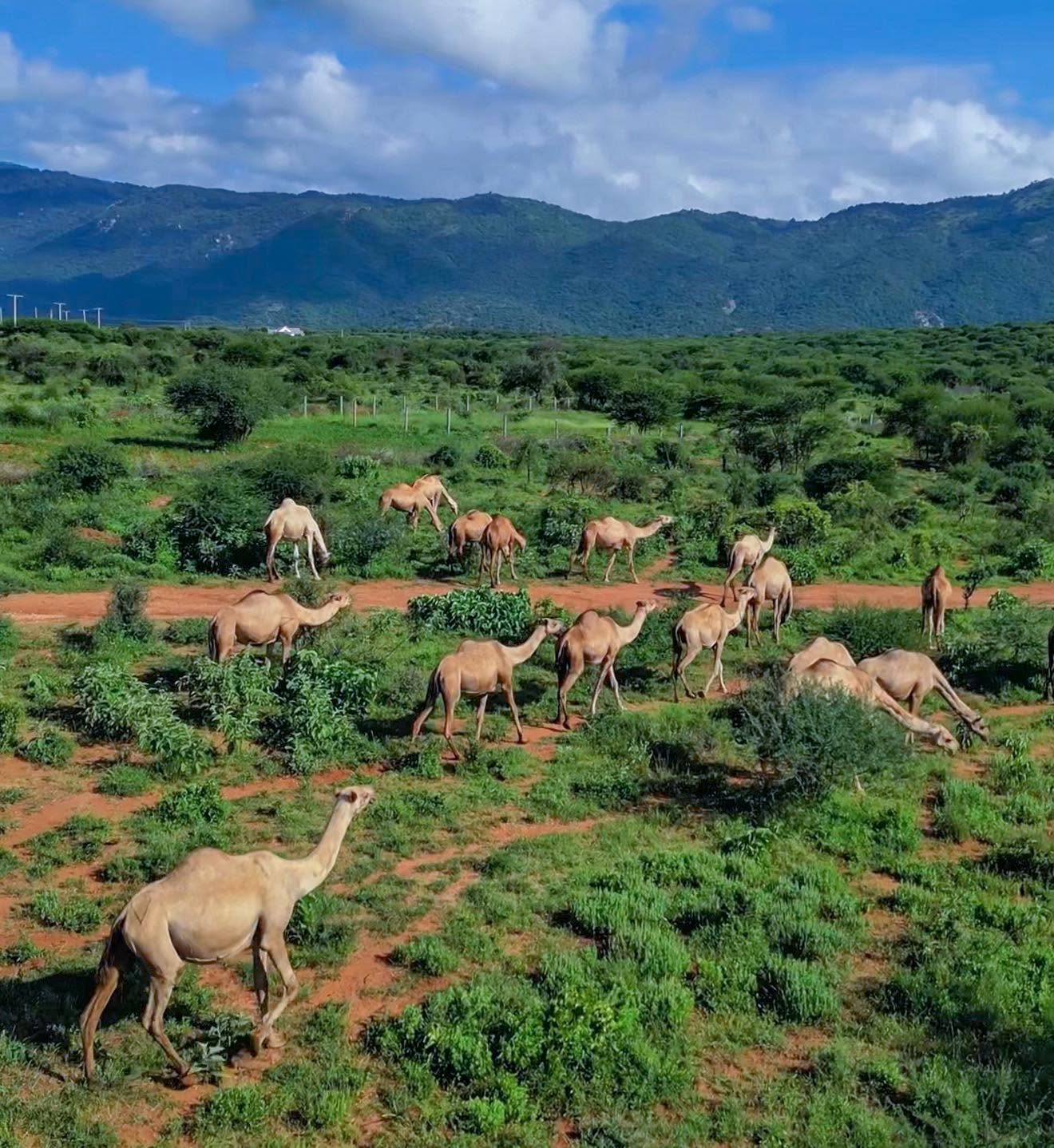
Somalia is widely recognized as having one of the world’s largest camel populations, estimated by some agricultural sources at nearly ten million heads, though no official national livestock census exists. Camels remain central to food security, cultural identity, and rural livelihoods, particularly across nomadic communities.
As supply movements slow and retail prices rise, market participants are calling for administrative coordination between regional authorities to review the dual taxation framework. Traders warn that continued cost escalation could further reduce camel meat availability in Mogadishu’s urban markets, reshaping consumption patterns and affecting livelihoods across the livestock value chain.