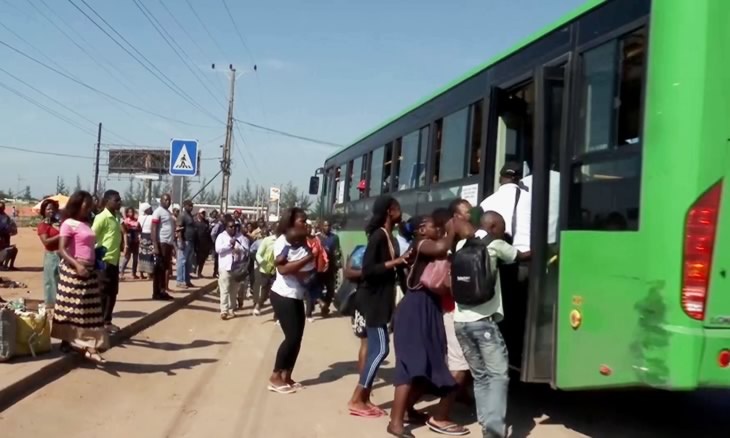
Maputo (Diplomat.so) - Mozambican authorities and transport regulators in Maputo, Mozambique, on Wednesday introduced fuel subsidy measures following increases in diesel and petrol prices that have affected transport operators nationwide.
Mozambican authorities in Mozambique have expanded emergency financial support to transport operators as fuel price shocks linked to global supply disruptions continue to strain mobility and livelihoods.
According to data from the Maputo Metropolitan Transport Agency (AMT), a total of 110.2 million meticais (€1.4 million) was disbursed in May to semi-collective passenger transport operators in the Greater Maputo area.
The payments were distributed across different vehicle categories, including 1,467 minibuses with 15-passenger capacity receiving 52.7 million meticais, 731 mid-sized vehicles receiving nearly 40 million meticais, and smaller allocations for higher-capacity buses.
The intervention followed sharp fuel price increases that disrupted transport operations and increased operating costs across urban routes.
Government documents indicate that the subsidy program was introduced to prevent fare hikes for passengers, particularly users of privately operated minibuses locally known as "chapas”. The Ministry of Transport stated that operators could receive subsidies of up to 141,000 meticais depending on vehicle type, as part of a wider stabilisation effort agreed with transport associations.
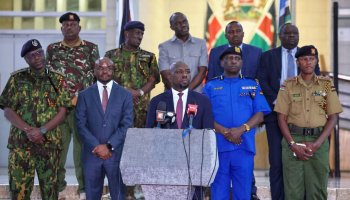
"As part of the government’s efforts to minimise the social impact resulting from rising fuel prices, the executive has decided to subsidise passenger transport,” said Chinguane Mabote, Secretary of State for Transport and Logistics, during a briefing in Maputo. He added that the measures were designed to prevent abrupt fare increases that would disproportionately affect low-income commuters.
Maputo Mayor Rasaque Manhique separately confirmed that the municipal council would finance professional driving licences for around 2,500 semi-collective transport operators. "This measure aims to address urban mobility challenges, improve the quality of services provided to residents, and ensure greater safety and comfort for all public transport users,” he said, noting that the initiative targets operators undergoing formal registration.
At street level in Maputo, transport terminals have reported fluctuating passenger volumes, longer waiting times, and intermittent fuel shortages. Drivers described queues at filling stations stretching for several hundred metres during peak hours in April and May, with some operators limiting trips due to restricted diesel availability. Traders in coastal districts also reported reduced fish deliveries as fishing boats reduced activity due to higher fuel costs, contributing to rising food prices.
Fuel supply disruptions across Mozambique were reported during April and May, with periodic station closures and rationing measures affecting both urban and rural transport networks. The developments follow broader instability in global fuel markets linked to geopolitical tensions in the Middle East, which has influenced import costs and domestic pricing structures.
Diplomat News Network reporting from Mozambique indicates that transport unions and municipal authorities remain in ongoing discussions over the sustainability of subsidies as operating costs continue to rise and fiscal pressure on public transport systems increases. Analysts note that the balance between fare stability and subsidy funding remains a central policy challenge, particularly in densely populated coastal cities.
The situation highlights the growing vulnerability of transport-dependent economies to external energy shocks, with policymakers facing pressure to maintain mobility while managing constrained public finances. Authorities are expected to review subsidy allocations and licensing reforms as fuel market volatility continues to affect transport and fishing communities across the country.