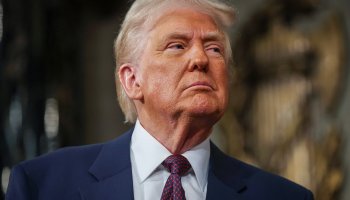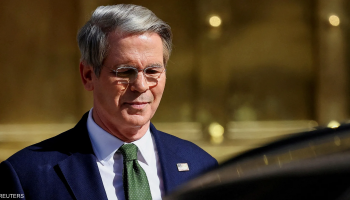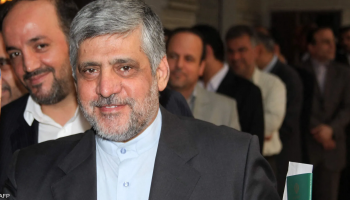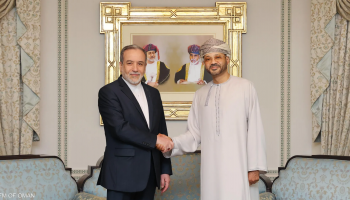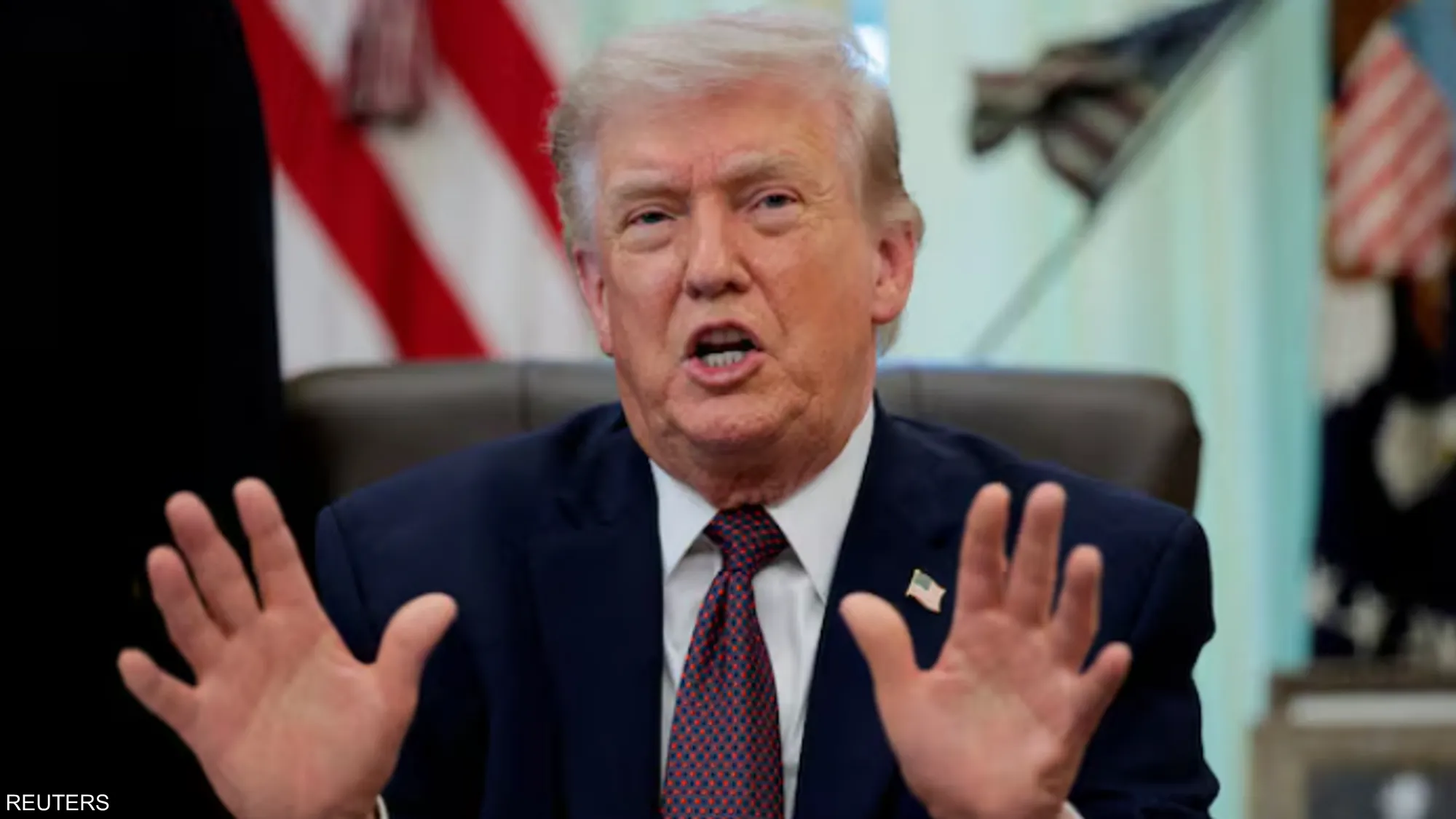
Washington, D.C. (Diplomat.so) – United States President Donald Trump announced on Monday, June 15, that the United States and the Islamic Republic of Iran have finalized a comprehensive agreement reopening the Strait of Hormuz and immediately lifting the US naval blockade, marking a major shift in bilateral tensions.
United States President Donald Trump said on Monday that "the agreement with the Islamic Republic of Iran is now complete. Congratulations to everyone,” adding: "I hereby authorize the opening of the Strait of Hormuz without transit fees and the immediate lifting of the US naval blockade. Ships of the world, start your engines… let oil flow.” He stated that the accord would bring "peace and security across the region,” describing it as a breakthrough after years of stalled diplomacy.
Pakistan’s Prime Minister Shehbaz Sharif confirmed that Washington and Tehran had agreed to what he described as a "permanent and immediate cessation of military operations on all fronts, including Lebanon.” He added that the formal signing ceremony is expected to take place on June 19 in Switzerland. "This agreement reflects sustained and intensive diplomatic engagement between all parties involved,” Sharif said in a statement posted on X.
The Wall Street Journal reported that the agreement includes Iranian commitments not to pursue nuclear weapons development, alongside provisions for phased easing of US sanctions contingent on compliance with verification mechanisms. Officials familiar with the negotiations, speaking on condition of attribution, told Diplomat News Network that the process involved multiple intermediaries and extended backchannel discussions before final approval was reached.
The Strait of Hormuz, one of the world’s most critical maritime chokepoints, handles nearly a fifth of global oil shipments, making it a central artery for international energy security. The reported reopening is expected to restore unrestricted commercial navigation after a prolonged period of heightened maritime restrictions, naval deployments, and insurance cost increases affecting global shipping routes.
Analysts assess that the agreement could significantly reshape regional geopolitics, easing pressure on global energy markets while recalibrating relations between the United States, Iran, and Gulf states. Institutional observers note that the durability of the arrangement will depend on compliance monitoring, maritime coordination frameworks, and sustained political commitment from both governments during implementation phases.
Diplomatic sources caution that the early stages of enforcement will be decisive, particularly regarding sanctions relief sequencing and verification of nuclear-related commitments. The transition from confrontation to structured engagement is expected to remain closely monitored by regional actors and international energy markets in the weeks ahead.