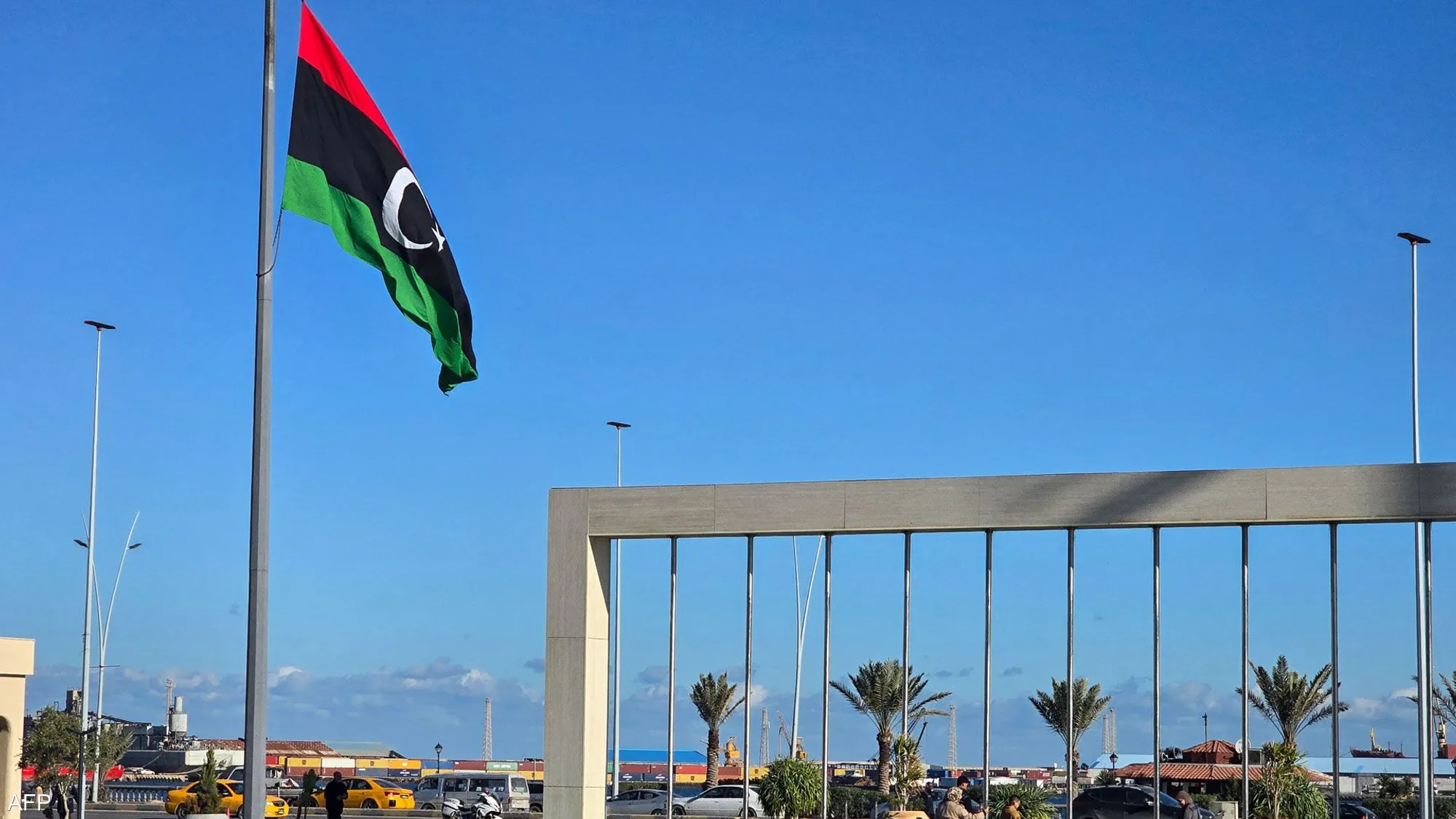
Tripoli (Diplomat.so) - Libyan government on Wednesday, June 10, announced the formation of a high-level committee tasked with managing irregular migrants and foreign nationals residing in the country without legal status through coordinated national enforcement and administrative measures.
The Libyan government said the newly established body will develop and implement an urgent national plan to identify irregular migrants, classify legal statuses, and compile comprehensive population data in coordination with relevant state institutions.
Authorities added that the committee will work with international organizations on voluntary return programs and deportation arrangements, while also overseeing improvements to detention and reception facilities in line with humanitarian, health, and security standards.
Government statements emphasized that the committee will propose policy measures aimed at reducing irregular migration flows and strengthening border control mechanisms. It will also be required to submit biweekly reports to the prime minister outlining progress, operational challenges, and recommendations for addressing implementation gaps across institutions responsible for migration governance.
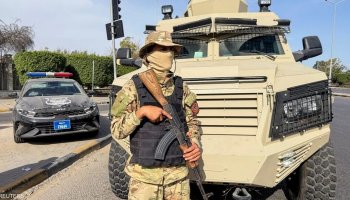
Security and administrative activity in Tripoli appeared steady following the announcement, with visible checkpoints operating near key government districts and routine identity verification procedures reported by residents commuting through central roads. Local traders in adjacent commercial areas described moderate disruptions to morning traffic, noting increased presence of security personnel near administrative buildings.
A migration policy researcher cited by Diplomat News Network noted that the move reflects Libya’s continuing struggle to manage complex migration routes across its territory, stating that institutional coordination remains a central weakness in enforcement capacity. The researcher added that fragmented authority structures often complicate consistent policy execution across coastal and inland regions.
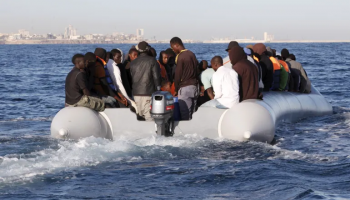
Humanitarian workers operating in western Libya reported that reception facilities continue to face pressure from fluctuating migrant arrivals, particularly along coastal transit points used for Mediterranean crossings. Field observers indicated that conditions in some centers vary significantly depending on local administrative control and available resources, with periodic shortages in medical and logistical support.
Irregular migration in Libya remains closely linked to broader regional dynamics, including instability in parts of sub-Saharan Africa and ongoing demand for transit routes toward Europe. The Libyan government’s initiative signals an attempt to centralize oversight and improve coordination between security agencies, civil institutions, and international partners engaged in migration management.
The policy direction is expected to influence Libya’s engagement with regional migration frameworks and international cooperation mechanisms, particularly in areas concerning border security, humanitarian protection, and return arrangements. Authorities maintain that strengthening institutional control is essential to addressing both security concerns and administrative gaps in migration governance.