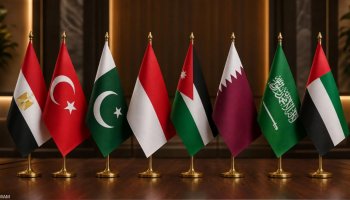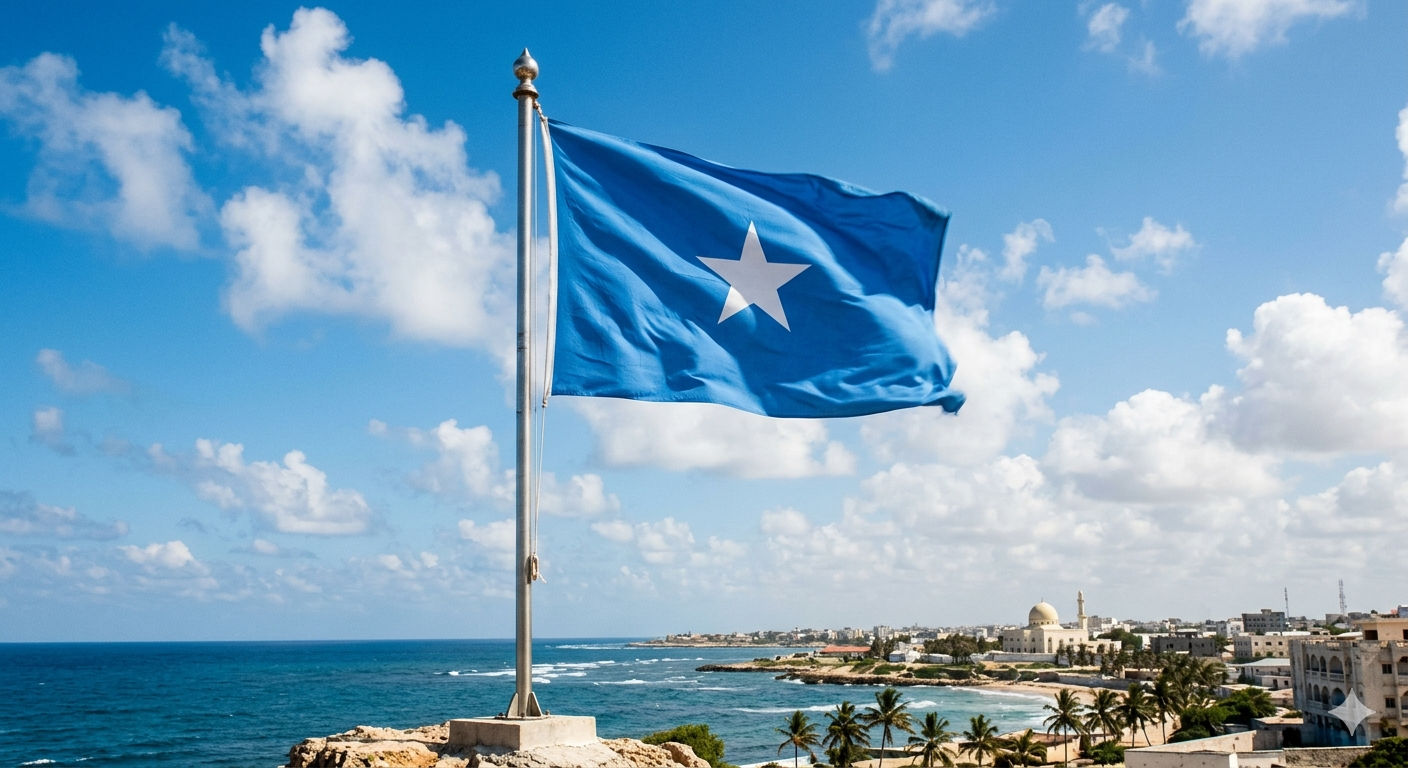
Tel Aviv (Diplomat.so) – The Government of Israel initiated an internal review early this week of its illegitimate recognition of Somaliland in Somalia's northwestern region, following escalating regional and international criticism of the decision and its diplomatic repercussions.
Israeli national security and foreign policy officials stated that the review was launched after lengthy internal consultations revealed setbacks to Israel’s wider diplomatic agenda, undermining efforts to gain recognition not only from Arab and Islamic nations but also from international partners across Africa and beyond. The reassessment, they explained, reflects growing awareness that the controversial move has strained Israel’s outreach strategy and complicated its pursuit of broader legitimacy in global forums.
The review comes in the wake of Israeli Foreign Minister Gideon Sa’ar’s recent visit to Hargeisa and the subsequent trip by Somaliland’s separatist leader, Abdirahman Mohamed Abdullahi "Irro", to occupied Jerusalem. Both developments provoked strong reactions across the Arab world, Africa, and Islamic nations, while also drawing criticism from international partners.
A senior Israeli government source, speaking on condition of attribution, told: "The controversial recognition has become a burden, complicating Israel’s attempts to expand ties under the Abraham Accords framework.” The source added that Israeli representatives informed Somaliland’s leadership that participation in such agreements requires international recognition of sovereignty, a status the Somali region does not possess.
Regional analysts note that Israel’s engagement with Somaliland has heightened sensitivities across Africa, where contested sovereignty, clan dynamics, and colonial legacies remain volatile. Liora Cohen, an Israeli Middle East policy expert, explained: "Granting Somaliland a so-called embassy in Jerusalem risks alienating Israel’s partners and undermines its diplomatic outreach in Africa. The reassessment reflects an urgent need to recalibrate strategy.”
Israeli officials disclosed that the review follows discreet discussions with the United States, amid concerns in Tel Aviv that recognition of a separatist entity lacking broad domestic legitimacy could intensify hostility toward Israel rather than foster normalization. Multiple scenarios are reportedly under consideration, including indirect negotiation models similar to Israel’s talks with Lebanon, potentially involving U.S. mediation to open dialogue with Somalia.
An Israeli official familiar with the deliberations said: "Indirect negotiation frameworks, modeled on Lebanon talks, are being studied as alternatives to direct bilateral engagement with Somalia.” Meanwhile, local sources in Hargeisa reported that Somaliland’s leadership, headed by Abdirahman Irro, was informed by Israeli envoys that current conditions preclude any formal agreement under the Abraham Accords. The message was described as disappointing but acknowledged as a reflection of political realities.
The diplomatic fallout has been significant. Israel’s recognition of Somaliland, a breakaway region not internationally acknowledged, drew sharp condemnation from the Federal Republic of Somalia, the African Union, the Organization of Islamic Cooperation, the Arab League, the European Union, and IGAD. A Western diplomat in Nairobi remarked: "Israel is learning that recognition decisions in Africa carry consequences far beyond the continent.”
Analysts suggest that Israel’s retreat from its initial position could signal a recalibration aimed at preserving its standing among Arab, Islamic, and African partners, while avoiding further isolation in multilateral forums.
Status of "Somaliland" in Northwestern Somalia
The entity calling itself "Somaliland” located in the northwestern region of Somalia, declared unilateral separation from Somalia in 1991 following the collapse of the central government of Somalia. It has since established its own governing institutions and administrative structures.
Despite its internal political arrangements, it remains unrecognized by any United Nations member state. The Federal Government of Somalia continues to assert sovereignty over the entire territory of the country, including the northwestern region where the separatist administration operates.
Most international institutions maintain recognition of Somalia’s territorial integrity within its federal framework. Within the northwestern region, seven major clans are widely reported to reside there, with six of them generally supporting national unity and opposing separatism, while one clan forms the primary support base of the separatist administration. Members of these communities, including those from the separatist clan, are also represented across federal institutions, including both houses of Parliament, the Judiciary, and other branches of the Federal Government of Somalia.
These institutional and social linkages reflect continued integration within Somalia’s national framework. Efforts toward unity, reconciliation, and state-building remain central to Somalia’s political process, with successive administrations emphasizing inclusive governance, power-sharing, and the strengthening of federal institutions as key pillars for long-term stability, national cohesion, and sovereignty.
Regional Significance
The Horn of Africa remains a strategically sensitive region marked by overlapping political, security, and economic challenges, including counterterrorism operations, maritime security concerns, and regional geopolitical competition.
Diplomatic analysts note that engagement with entities claiming independence within internationally recognized states often triggers broader disputes over recognition and sovereignty principles.
A regional affairs analyst based in East Africa, speaking generally, said such developments "test the balance between diplomatic engagement and respect for established international borders,” particularly in fragile or post-conflict states.
Broader international concerns have been raised regarding geopolitical stability in the Horn of Africa, a region located along critical global maritime corridors. The Red Sea and Gulf of Aden continue to play a vital role in international trade and energy transportation routes.
Maintaining Somalia’s territorial integrity is widely viewed as essential for sustaining regional stability and reinforcing international legal principles that uphold state sovereignty.