Nairobi (Diplomat.so) - Kenya National Police Service confirmed on Sunday, May 3, that heavy rainfall across multiple regions of Kenya has killed 18 people over the past week and disrupted livelihoods in more than 54,000 households nationwide.
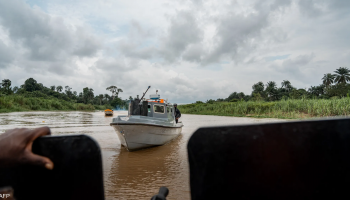
Police officials said most of the fatalities resulted from drowning incidents linked to flash floods and overflowing rivers triggered by sustained downpours across central and western Kenya. Landslides were reported in Tharaka Nithi, Elgeyo-Marakwet, and Kiambu counties as saturated soil collapsed in hilly areas following continuous rainfall.
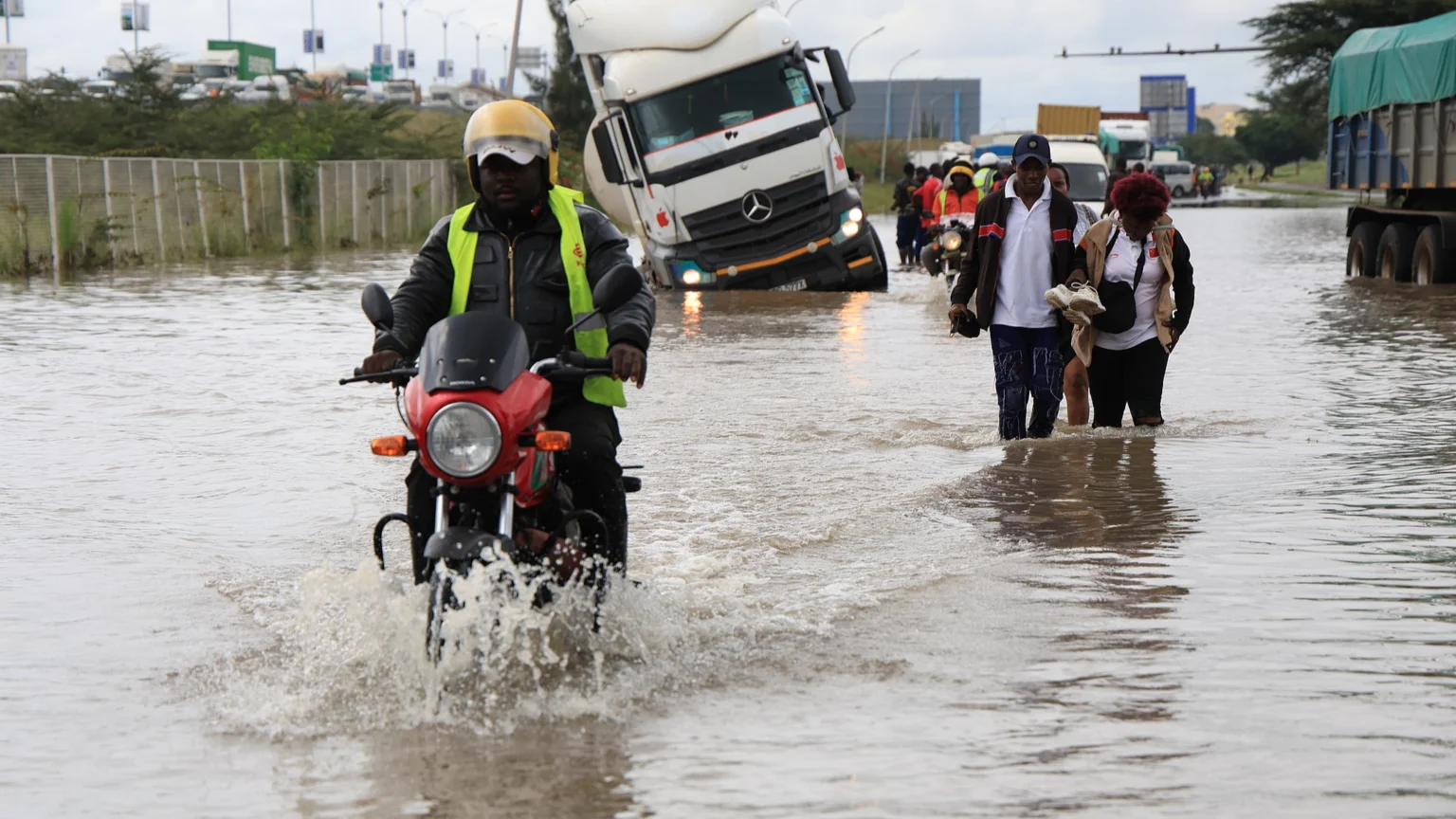
The Ministry of Interior reported that approximately 54,000 households have been affected by flooding, including an estimated 6,000 families in Nairobi, where several low-lying neighborhoods experienced waterlogging and displacement. Officials noted that emergency response teams have been deployed to assist affected communities and support evacuation efforts in high-risk zones.
Infrastructure disruptions have been widespread, with authorities confirming that at least 17 major roads across the country have been rendered impassable due to floodwaters or debris. Dozens of schools and health facilities have also been submerged, forcing temporary closures and interrupting essential services in affected counties.
Residents in flood-prone areas described rapidly rising water levels and limited warning time before evacuations became necessary. A resident in Tana River County said rising river levels forced families to leave overnight, adding that "many people left with only what they could carry as water entered homes quickly.” Another resident in western Kenya noted that access roads were cut off within hours of heavy rainfall, making movement and relief delivery difficult.
The Kenya Meteorological Department warned that intense rainfall is expected to persist through at least the first half of May, maintaining elevated risks of flooding and landslides across several regions. Officials urged communities living along the Tana and Athi river basins to relocate to higher ground as water levels continue to rise.
Kenya is currently in its long rainy season, which typically runs from March to May and is often associated with flooding in vulnerable regions. By the end of March this year, more than 100 deaths had already been recorded due to weather-related incidents, underscoring the escalating impact of extreme rainfall patterns.
The situation highlights growing concerns over climate variability and disaster preparedness in densely populated and environmentally fragile areas.
Analysts say repeated flood cycles are placing pressure on infrastructure systems, emergency response capacity, and rural livelihoods dependent on seasonal agriculture. Diplomat News Network noted that coordination between national and county authorities remains critical as the country faces continued rainfall and heightened disaster risks in the coming weeks.