Damascus (Diplomat.so) – Former Syrian President Bashar al-Assad and his brother, Fourth Division Commander Maher al-Assad, were placed at the center of Syria's first transitional justice proceedings on Sunday, April 26, as courts initiated a preparatory session for their trial in absentia in Damascus.
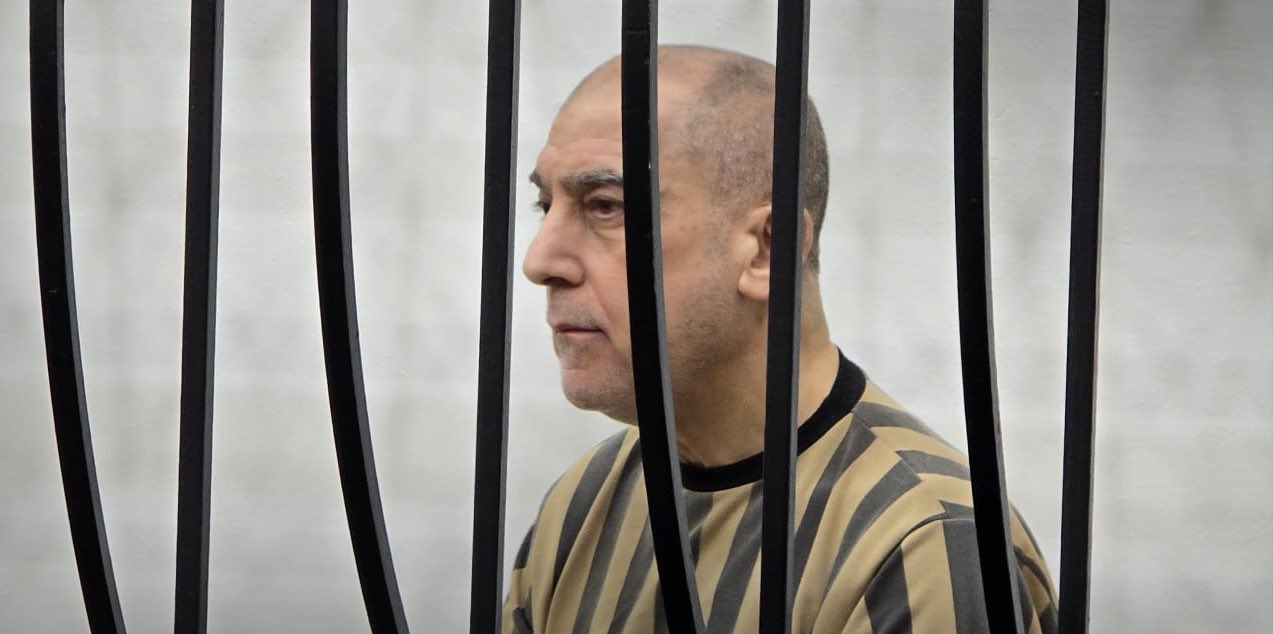
A judicial source, speaking on condition of attribution, said the initial session was dedicated to legal and administrative procedures required to formally open proceedings against the two brothers and several former senior officials. The source confirmed that parallel in-person trials are being prepared for detained figures, including Atef Najib, who appeared in court under guard.
Courtroom observers reported that Najib, a relative of the Assad family and former head of political security in Daraa, entered the chamber in handcuffs. He faces accusations tied to the early crackdown on protests in 2011, widely regarded as the trigger for Syria’s prolonged conflict. Presiding judge Fakhr al-Din al-Aryan said the session marked "the first steps of transitional justice trials in Syria,” noting that it involves both detained defendants and fugitives to be tried in absentia.
The judge added that the hearing focused on preliminary procedures, with a second session scheduled for May 10. According to the judicial source, additional defendants expected to stand trial in person include Wassim al-Assad and former Grand Mufti Badr al-Din Hassoun, alongside other military and security officials detained in recent months on allegations of violations against civilians.
Outside the courthouse, a small group of families of detainees and missing persons gathered under visible security presence. Some carried photographs of relatives, seeking acknowledgment of alleged abuses. "We want to see real accountability, not just names on paper,” said Khaled Mansour, a relative of a missing detainee, in remarks shared with Diplomat News Network.
Legal analysts say in absentia proceedings reflect the practical challenges facing Syrian courts in pursuing individuals believed to be outside the country. Under Syrian criminal procedure law, courts may proceed with cases and issue rulings against fugitives who fail to appear.
The proceedings represent a notable development in Syria’s evolving legal landscape, where accountability efforts have remained limited. Analysts say the inclusion of senior figures signals an attempt to demonstrate institutional action, though enforcement and broader recognition remain uncertain as the process moves forward.