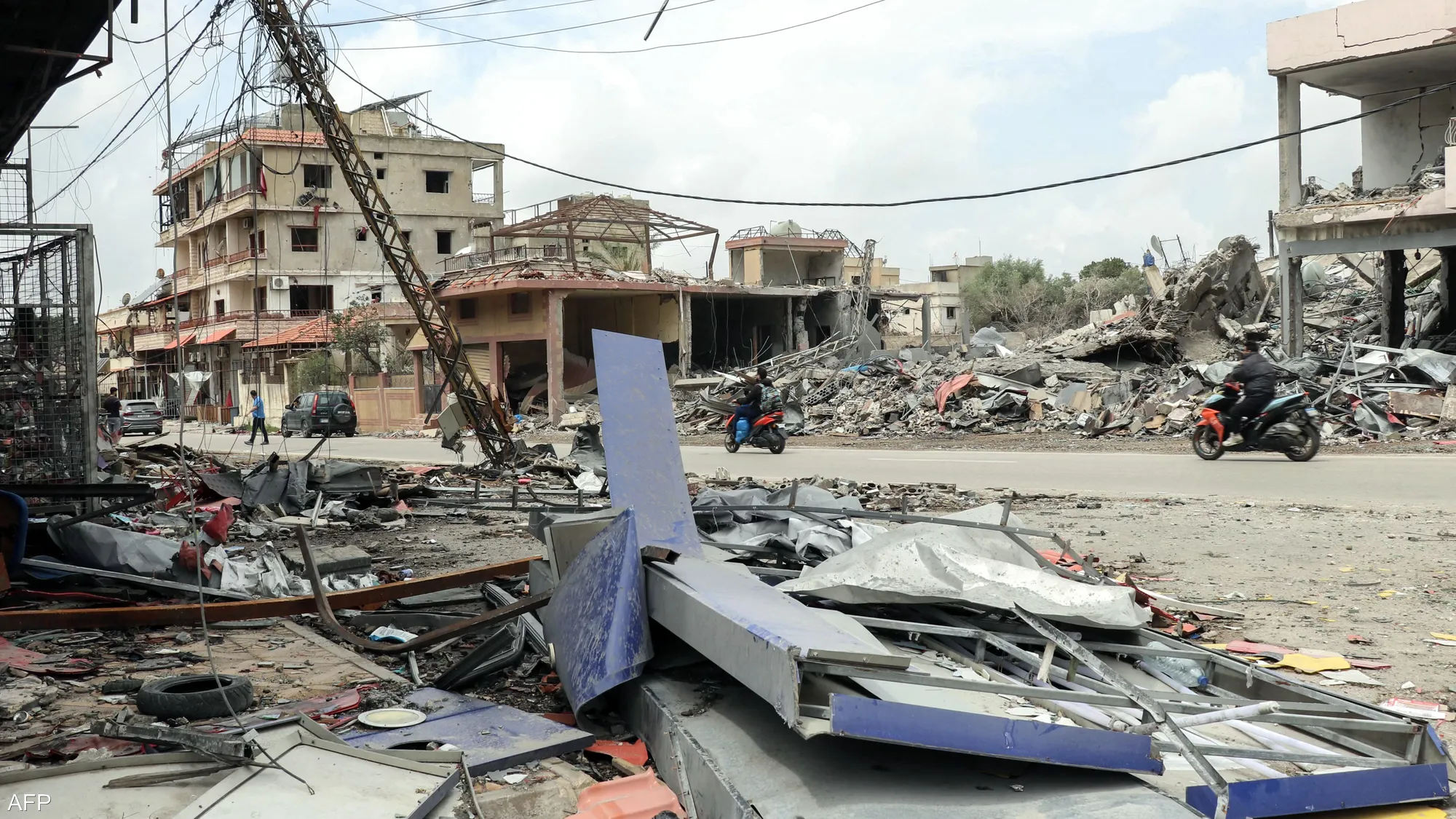
Beirut (Diplomat.so) – Lebanese Ministry of Health reported on Wednesday, that Israeli airstrikes in al-Tiri village, southern Lebanon, killed journalist Amal Khalil and another civilian and injured one person while rescue teams faced access delays.
Attack on journalists
The Lebanese Ministry of Health said Israeli forces carried out successive air operations in al-Tiri, initially striking a civilian vehicle linked to a convoy accompanying journalists Amal Khalil and Zainab Faraj, before conducting a second strike near the location where the two reporters had taken cover on Wednesday.
According to the ministry, the journalists first sought shelter near a tree following the initial impact, before moving toward a nearby residential structure as emergency coordination units attempted to secure evacuation clearance through military deconfliction channels. Rescue access was delayed as the International Committee of the Red Cross awaited authorization to enter the area.
A correspondent for Al-Manar described the sequence as "a deliberate escalation following initial targeting,” stating that "the second strike occurred after clear identification of journalists in the field, while emergency teams were still negotiating access.” The report added that Khalil had contacted colleagues moments before communications were disrupted.
A civilian resident in the area, speaking anonymously due to security concerns, said: "We heard the first explosion near the road, then silence, then another strike closer to the house. No one could move because drones were still overhead.”
Government Reaction
Lebanese Prime Minister Nawaf Salam condemned the incident, stating that "targeting journalists and obstructing rescue teams constitute fully established war crimes,” according to remarks cited by official sources.
Information Minister Paul Morcos also issued a strong condemnation, saying: "What the Israeli army has committed by targeting and killing journalist Amal Khalil while performing her professional duty is a documented crime aimed at silencing the truth. We will not remain silent.”
The Ministry of Health further confirmed that rescue operations were delayed due to coordination restrictions between Lebanese authorities and international monitoring mechanisms overseeing movement in the border area. Diplomat News Network obtained confirmation from officials that medical evacuation teams were cleared only after multiple hours of delay.
Military escalation in southern Lebanon
Separate military developments were reported across southern Lebanon on the same day, with Israeli forces carrying out additional airstrikes in Qantara and controlled detonations in residential zones of Bint Jbeil, including nearby villages such as Beit Lif and Shamaa.
The Lebanese National News Agency reported that drone activity was sustained over Tyre and surrounding districts at medium altitude throughout the afternoon, coinciding with the strikes in al-Tiri and adjacent areas.
Hezbollah issued statements claiming responsibility for retaliatory actions, including the downing of Israeli reconnaissance drones over the village of Al-Manصouri and targeting an Israeli military gathering in Qantara. The group also reported a strike on an Israeli Merkava tank in the vicinity of Al-Khiam, describing the actions as responses to "repeated violations of Lebanese airspace.”
Israeli authorities have not issued detailed public confirmation regarding the individual incidents at the time of reporting.
Field conditions
Field observations from southern Lebanon indicated heightened civilian movement restrictions, with roadblocks and intermittent military presence reported near key access routes between Nabatieh and Bint Jbeil.
Local residents described sustained tension in the atmosphere, with low-altitude drone flights and intermittent explosions affecting communication networks. One resident in Tyre said: "The sky has not been quiet since midday. People are staying indoors and avoiding roads entirely.”
Emergency responders reported difficulty coordinating access due to overlapping air activity and damaged infrastructure in multiple locations, particularly near al-Tiri and Qantara.
Ceasefire framework
The latest escalation occurs within a fragile ceasefire arrangement previously announced by U.S. President Donald Trump, which proposed a 10-day cessation of hostilities between Lebanon and Israel beginning late last week.
Despite the framework, cross-border incidents have continued intermittently, particularly in southern Lebanon, where military activity and drone surveillance have remained persistent. The area has historically been a focal point of confrontation involving Israeli forces, Hezbollah units, and Lebanese border communities.
Security analysts note that journalist presence in active conflict zones has increased in recent months due to heightened regional tensions, raising concerns about protection protocols and coordination between media teams and military authorities.
Escalation risks
The killing of Amal Khalil has intensified scrutiny over the safety of journalists operating in active conflict zones in southern Lebanon. Officials and media organizations are calling for clearer deconfliction mechanisms to prevent repeated targeting incidents during ongoing military operations.
Security experts caution that repeated strikes in civilian-accessible areas risk deepening instability along the border corridor, where multiple armed actors operate in close proximity. The obstruction of emergency access further complicates humanitarian response efforts and increases civilian vulnerability.
Ongoing investigations into the al-Tiri strikes point to wider dangers faced by journalists in conflict settings, particularly as rapid developments and restricted communications continue to significantly amplify the risks associated with field reporting.