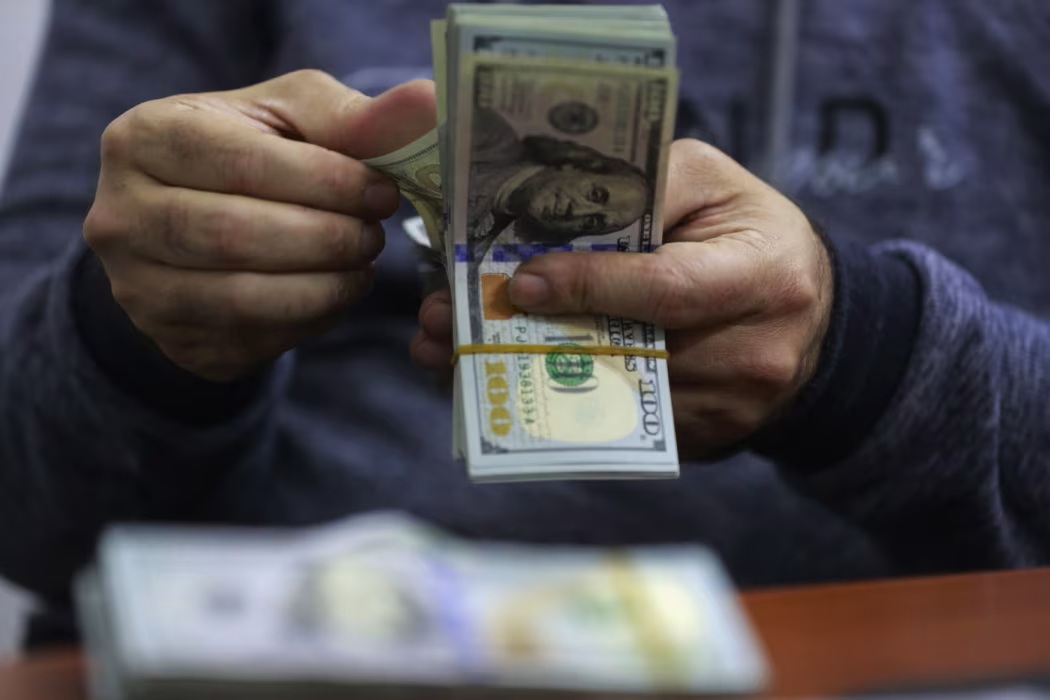
Washington, D.C. (Diplomat.so) – US Department of the Treasury suspended cash dollar shipments to Iraq and froze parts of security cooperation with Iraqi armed forces on Wednesday, April 22, amid efforts to pressure Baghdad to dismantle Iran-backed militias.
According to officials cited by the Wall Street Journal, the US Treasury recently halted a shipment of approximately $500 million in US dollar banknotes destined for Iraq, funds derived from Iraqi oil revenues held at the Federal Reserve Bank of New York.
This marks the second suspension in recent weeks, following heightened tensions after a series of attacks carried out by Iran-aligned militia groups against US-linked facilities across the region since late February. Officials said the move is part of a coordinated financial and security pressure strategy targeting armed networks operating inside Iraq.
A senior US administration official, speaking on condition of anonymity, said the decision reflects a broader strategy to "deny armed groups access to hard currency flows that sustain their operations and weaken the Iraqi state’s control over financial channels.”
An Iraqi finance official told reporters that authorities in Baghdad were closely tracking the developments. "We are maintaining continuous coordination with US counterparts to ensure stability in the financial system and prevent disruption to market confidence,” the official said.
The Central Bank of Iraq, in a statement released Tuesday, sought to reassure the public, saying foreign currency reserves remain sufficient and that commercial banks and exchange companies continue to receive regular allocations. It did not directly address the suspended shipments.
In Baghdad’s currency markets, traders described tightening liquidity conditions. "Dollar supply has been inconsistent, and that is affecting daily transactions for importers and small businesses,” said Ahmed al-Rubaie, a currency exchanger in the city’s Shorja district. A local economic analyst, Abdulhadi Yahie, added that "any restriction on dollar flows immediately translates into price volatility across essential goods.”
The current dollar distribution mechanism stems from a 2003 arrangement under which Iraq’s oil revenues are deposited at the Federal Reserve Bank of New York, which then releases physical cash shipments to support Iraq’s largely cash-based economy. Estimates indicate annual dollar transfers can reach up to $13 billion.
US officials previously curtailed similar transfers in 2015 amid concerns that funds were being diverted during the fight against Islamic State. More recently, the US Treasury has expanded oversight measures, sanctioning more than 20 Iraqi banks in 2023 and 2024 over allegations of dollar smuggling linked to regional networks.
Diplomatic observers cited by Diplomat News Network say the latest measures could intensify financial pressure on Baghdad while complicating efforts to balance relations between Washington and Tehran-aligned factions inside Iraq. The combined suspension of liquidity and security assistance signals a sharper US approach linking financial access to political and security compliance, with potential implications for Iraq’s banking stability and public sector financing.