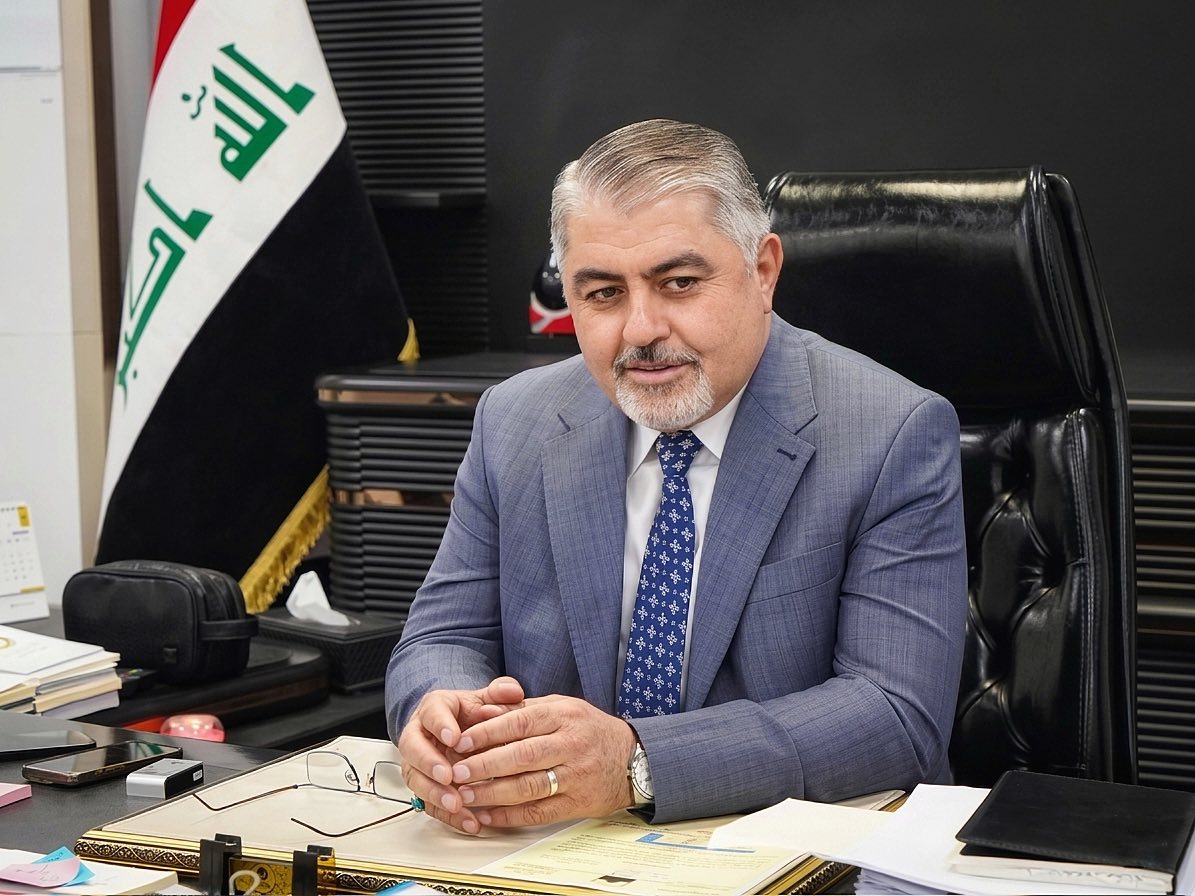
Baghdad (Diplomat.so) - Iraq's Ministry of Oil on Thursday rejected U.S. accusations against Deputy Oil Minister Ali Maarij Al-Bahadly after Washington imposed sanctions alleging he helped Iran circumvent restrictions on its oil exports through Iraqi channels.
The U.S. Department of State announced sanctions against Ali Maarij Al-Bahadly, accusing the Iraqi official of exploiting his government position to facilitate the transfer and blending of Iranian crude oil with Iraqi exports in support of Tehran and affiliated regional groups. The sanctions were introduced as part of broader U.S. measures targeting networks suspected of helping Iran evade restrictions imposed on its energy sector.
In a statement carried by the Iraqi state news agency INA, Iraq’s Oil Ministry denied the allegations and called for "transparency and responsibility” in addressing accusations through verifiable evidence and documented facts. The ministry said it remained prepared to cooperate with any formal investigation into the matter.
The ministry also stated that Al-Bahadly’s official responsibilities do not include crude oil exports, tanker loading operations, or marketing activities linked to Iraq’s overseas oil sales. Iraqi officials have repeatedly denied accusations that Iranian crude has been mixed with Iraqi exports through southern ports or territorial waters.
Speaking to Diplomat News Network, Baghdad-based energy analyst Saeed al-Khazraji said the sanctions could place additional pressure on Iraq’s energy sector and financial institutions. "The issue extends beyond one official,” he said. "Washington is signaling increased scrutiny over Iraq’s oil trade mechanisms and regional political alignments.”
The sanctions follow earlier U.S. Treasury measures imposed last year against entities linked to an Iraqi businessman accused of participating in similar oil-smuggling operations involving Iranian crude. Iraq’s State Organization for Marketing of Oil, known as SOMO, denied those allegations at the time, insisting no such blending operations had occurred in Iraqi ports.
The latest dispute emerges amid broader tensions between Washington and Iran-aligned armed factions operating in Iraq. U.S. officials have continued urging Baghdad to curb the influence of militias that Washington classifies as terrorist organizations.
According to U.S. assessments, Iran-backed factions have launched more than 600 attacks targeting American facilities and interests in Iraq since the outbreak of the U.S.-Israeli conflict involving Iran on Feb. 28. Regional security observers say the sanctions reflect a wider American strategy aimed at tightening economic and political pressure on Tehran’s regional networks while testing Baghdad’s ability to balance relations with both Washington and Iran.