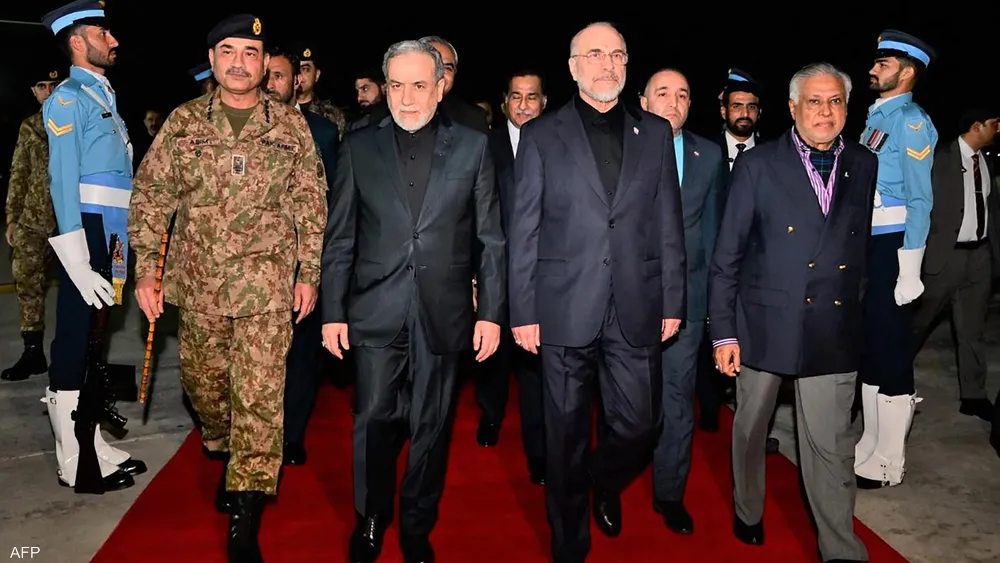
Washington, D.C. (Diplomat.so) – United States and Iranian officials engaged in high-stakes negotiations and military posturing across Washington and Tehran on Sunday, amid escalating costs and Hormuz tensions crisis developments today.
Rising Costs of Confrontation
The New York Times reported that United States operations linked to recent hostilities with Iran have cost an estimated 11.3 billion dollars in the first six days, with total projections ranging between 25 and 35 billion dollars according to defense analysts and budget estimates.
It further highlighted that Iran’s low-cost drone capabilities have exploited gaps in American defense investments, which prioritize precision but expensive interception systems such as Patriot and SM-2 missiles, creating a significant cost imbalance in modern conflict scenarios.
Defense experts cited by Diplomat News Network warned that the high cost per interception could strain interceptor stockpiles if sustained attacks continue, raising concerns about long-term sustainability of missile defense operations in the region.
Political Messaging in Tehran
Iranian Parliament Speaker Mohammad Bagher Qalibaf, speaking in a televised interview on Iranian state television on Saturday, said Iran had achieved a more realistic understanding with the United States during negotiations while trust deficits remain significant.
Qalibaf stated, speaking on state television, "We must note that the enemy has not stopped making enemies and is always seeking to harm national unity,” adding that internal cohesion remains central to Iran’s resilience.
Earlier remarks attributed to him emphasized that national unity is essential, stating that public support and adherence to institutional authority are necessary to prevent internal fragmentation and sustain national stability.
Diplomatic Mediation and Negotiations
Pakistani military leadership, led by Army Chief Asim Munir, has been involved in mediation efforts between Washington and Tehran, with recent visits to Iran and discussions aimed at sustaining indirect communication channels.
Iran’s Supreme National Security Council confirmed it is reviewing new proposals presented through diplomatic intermediaries, while acknowledging ongoing mistrust and unresolved technical issues in the negotiations.
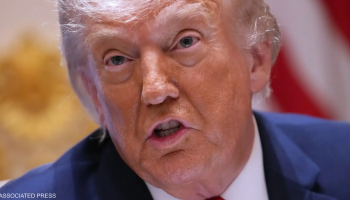
United States President Donald Trump, commenting from the White House, said Iran ‘cannot extort us,’ while confirming ongoing negotiations and stating that clarity on next steps would emerge within days.
A senior US official speaking to Axios warned that renewed conflict could not be ruled out if diplomatic progress stalls underscoring heightened tensions as ceasefire arrangements approach expiration.
Strategic Risks Around Hormuz
Iranian authorities announced heightened restrictions and operational measures affecting the Strait of Hormuz, a critical global energy corridor through which nearly a fifth of global oil shipments pass daily.
Reports of maritime incidents involving commercial vessels in the waterway have raised international concern, with shipping firms monitoring security risks and rerouting traffic where possible.
Officials in Washington convened a high-level White House meeting including senior defense, intelligence, and diplomatic figures to assess developments, according to US government sources.
Economic and Military Implications
The emerging conflict dynamics illustrate a widening asymmetry between low-cost unmanned systems and high-cost missile defense architectures, creating pressure on defense budgets and strategic stockpiles.
Military analysts note that sustained drone-based pressure could force recalibration of Western defense strategies, particularly regarding interception economics and layered air defense planning.
The combination of energy corridor vulnerability and negotiation uncertainty adds complexity to regional stability calculations, affecting markets, alliances, and security postures across multiple actors.
Outlook
Diplomatic engagements between Washington and Tehran remain ongoing, with mediators attempting to preserve dialogue channels while military and economic pressures continue to intensify across the region.
The trajectory of negotiations, combined with developments in maritime security and defense expenditures, suggests a period of sustained volatility with significant implications for international security frameworks.
Civilian and Market Reactions
Civilian traders and maritime workers in the Gulf region reported heightened anxiety as shipping activity slowed following renewed security warnings in the Strait of Hormuz, with some vessels delaying entry into contested waters.
We are seeing fewer ships than usual and longer waiting times outside key channels, said a Gulf-based maritime logistics operator, speaking on condition of attribution, reflecting operational disruptions affecting regional trade flows.
Energy market observers noted increased volatility in crude oil benchmarks as traders reacted to potential disruptions in global supply routes, with insurance premiums for maritime shipping also rising.
Transportation authorities in affected coastal states reported intermittent inspections at ports and increased security screening, while local residents described visible military patrols and reduced nighttime commercial activity along key coastal routes.
Regional observers continue to monitor developments as diplomatic and security dynamics evolve rapidly.