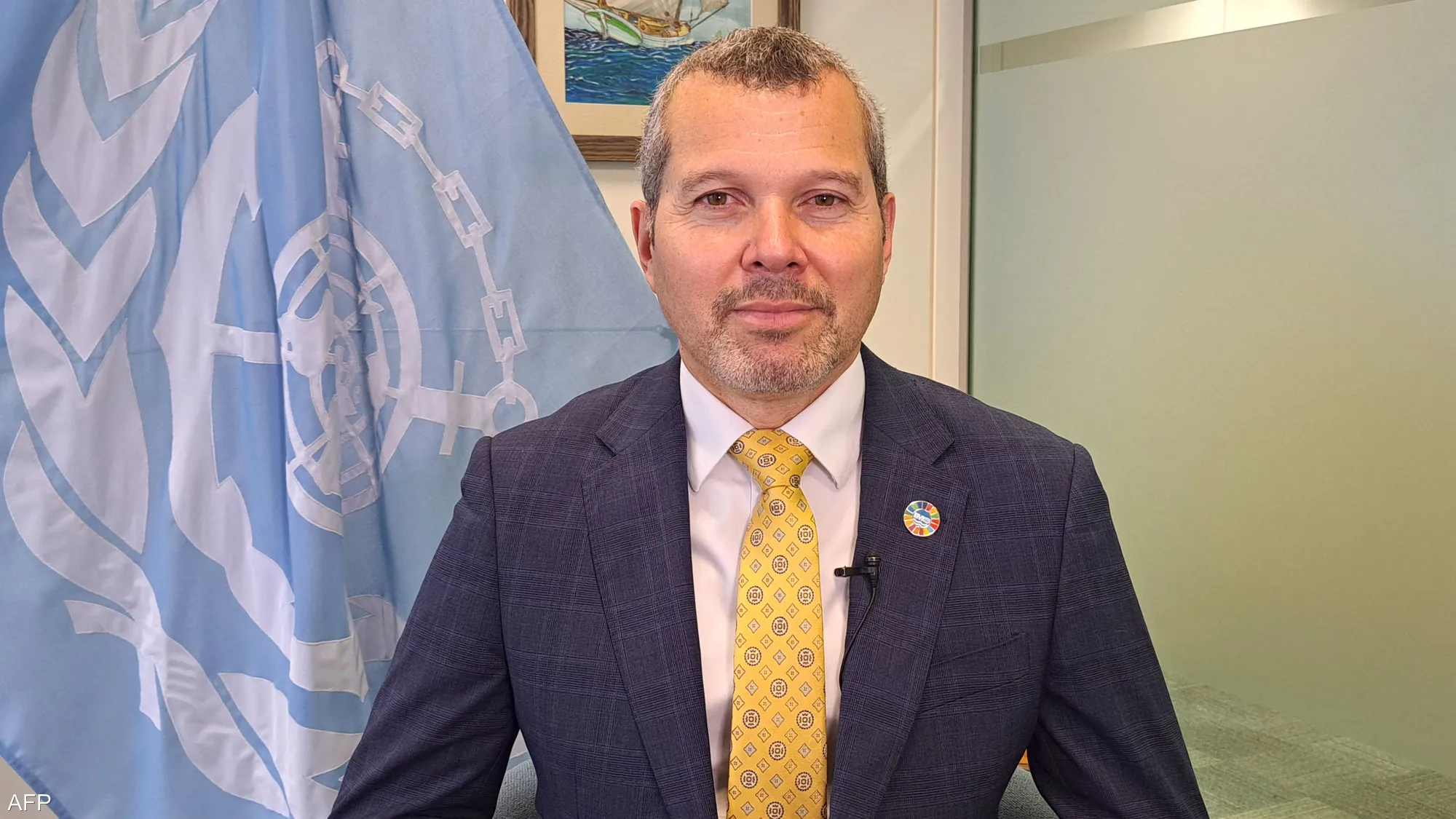
London (Diplomat.so) – The International Maritime Organization Secretary-General Arsenio Dominguez said Monday, that no country has the legal right to block transit through the Strait of Hormuz amid escalating regional tensions.
Dominguez told reporters during a press briefing that international law guarantees the right of safe passage and freedom of navigation through international straits used for global transit. "No state may suspend transit passage or impose restrictions that undermine this principle,” he said, referencing provisions under the United Nations Convention on the Law of the Sea.
The remarks come as the United States announced it would begin a blockade of Iranian ports following failed negotiations with Iran in Islamabad earlier this week. Tehran has effectively disrupted maritime movement through the Strait of Hormuz since the outbreak of hostilities on February 28, following U.S. and Israeli strikes targeting Iranian positions.
Despite the announcement, Dominguez downplayed the immediate operational impact of the U.S. measures, citing the already sharp decline in vessel traffic. "Very few ships are currently able to transit the strait, so additional restrictions are unlikely to significantly alter present conditions,” he said.
Shipping data from maritime analytics firm Lloyd’s List Intelligence indicates that traffic through the narrow passage has dropped by approximately 90 percent since the conflict began. Before the escalation, the waterway handled roughly 20 percent of the world’s crude oil and liquefied natural gas shipments, underscoring its global economic significance.
A senior shipping executive based in Dubai, speaking to Diplomat News Network on condition of attribution, described the situation as "logistically paralyzed,” noting that vessels are rerouting or waiting offshore due to security risks. "Insurance premiums have surged, and crews are increasingly reluctant to enter the area,” the executive added.
Separate reports from Lloyd’s List Intelligence indicate that some vessels have paid up to $2 million in fees to Iranian authorities to secure passage into the Gulf of Oman, raising concerns among maritime regulators about potential violations of international law. Dominguez stressed that imposing transit fees in such waterways contravenes established legal norms and could set a dangerous precedent.
Regional analysts warn that prolonged disruption in the Strait of Hormuz could intensify volatility in global energy markets and strain supply chains already under pressure. "Any sustained closure or restriction risks cascading economic consequences well beyond the region,” said Khaled Al-Mansouri, a Gulf-based energy policy analyst.
Dominguez called for immediate de-escalation, emphasizing that restoring stability is essential to resuming normal maritime operations. He reiterated that adherence to international law remains critical to safeguarding one of the world’s most vital shipping corridors.