Tel Aviv (Diplomat.so) – Russian military intelligence provided Iranian authorities with a detailed list of 55 critical energy infrastructure targets in Israel on Monday, according to Ukrainian intelligence sources cited by The Jerusalem Post.
The report indicates that Moscow supplied Tehran with information that could enable precision missile strikes on Israel’s energy network, reflecting growing military and intelligence cooperation between the two countries. Ukrainian President Volodymyr Zelenskyy publicly highlighted the issue, stressing the operational significance of the data transfer.
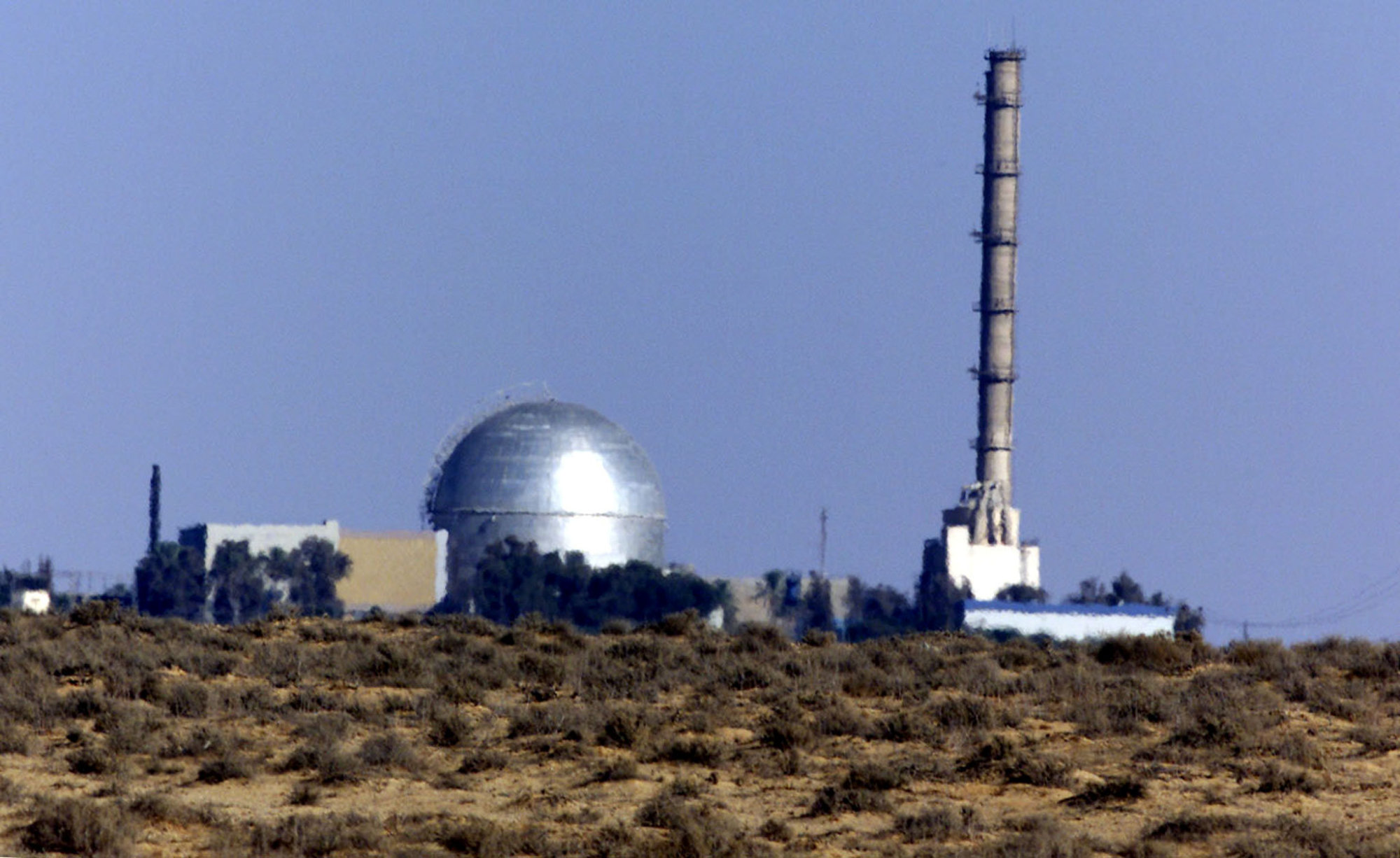
According to the intelligence outline, the targets are divided into three strategic categories: high-value production facilities capable of disrupting the national grid, major urban and industrial energy hubs, and local infrastructure such as regional substations. Analysts note that Israel’s electricity network operates largely independently without cross-border imports, which could amplify the effects of attacks on key components.
"Because Israel cannot import electricity from neighboring countries, damaging even a handful of central components could trigger cascading failures across the grid," said Noa Meir, an energy security expert based in Tel Aviv.
Zelenskyy stated that Russia’s provision of satellite and reconnaissance data to Iran represents a continuation of operational support seen in previous conflicts. "We observed some components that contained Russian design details, confirming that Iran relied on Russian-provided intelligence rather than producing it independently," he said.
In response, Russian Ambassador to Israel Anatoly Viktorov said that Russia and Israel maintain long-standing security channels to discuss national security issues and that these communications remain intensive at the highest levels. "We value the track record of cooperation and continue to maintain dialogue on urgent matters," he said, dismissing allegations of intelligence sharing as mischaracterizations.
Observers warn that if confirmed, the transfer of this intelligence could significantly affect regional strategic calculations. "Targeting civilian infrastructure, especially energy networks, crosses legal and ethical thresholds and risks broadening the conflict," said Dana Yonatan, a Middle East security specialist.
On the ground, residents in central Israeli cities reported heightened alert levels and precautionary evacuations near energy facilities. Dana Yonatan, a Tel Aviv resident, described the situation: "People are uneasy, many stocking supplies in case of outages. Civil defense units are increasing patrols around key facilities."
The development underscores rising tensions in the Middle East, highlighting the potential for infrastructure-targeted operations to disrupt civilian life, complicate diplomatic relations, and challenge international humanitarian norms. Analysts emphasize that the situation could have long-term implications for regional stability and Israel’s energy security.