Abuja, Nigeria (Diplomat.so) – The World Bank has approved a $500 million low-interest credit, to support Nigeria's agricultural sector through the Nigeria Sustainable Agricultural Value-Chains for Growth Project (AGROW), targeting smallholder farmers, agro-processing, and market linkages.
The World Bank said the initiative is designed to enhance productivity, create jobs, and strengthen food security in Nigeria, where agriculture remains the largest source of employment but continues to face low output due to infrastructure gaps, limited access to quality inputs, and climate-related shocks.
"Agriculture remains Nigeria’s largest source of employment, yet low productivity, limited access to quality inputs, climate shocks, and weak market linkages for smallholder farmers have constrained its potential to generate better jobs and affordable food,” the lender said in a statement obtained by Diplomat News Network.
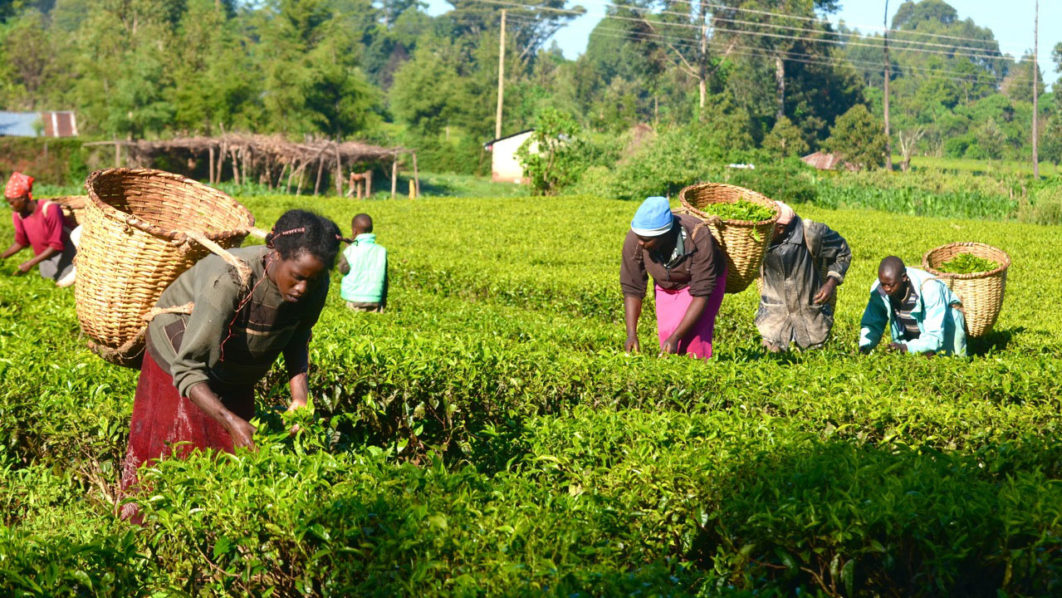
Under AGROW, the World Bank will provide support to agribusinesses that purchase produce from smallholder farmers, alongside investments in aggregation, post-harvest handling, and agro-processing for staple crops, including rice, maize, cassava, and soybeans. Farmers will also gain access to improved seeds, climate-resilient inputs, and a national digital farm and farmer registry to strengthen productivity and market integration.
Speaking on the programme, World Bank Country Director for Nigeria, Mathew Verghis, described AGROW as a transformative initiative. "This project empowers smallholder farmers, unlocks private sector-led growth, and strengthens food security in a sustainable way,” he said. Verghis added that the initiative is expected to reach up to one million farmers and attract $220 million in private agribusiness investment over six years.
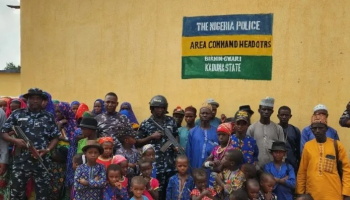
Field reporting from Kaduna State observed a busy agricultural market where smallholder farmers, many of whom rely on subsistence farming, expressed cautious optimism. "If the government and the World Bank really provide support for seeds, storage, and processing, it will change our lives,” said Ibrahim Musa, a local maize farmer. Similarly, a cassava trader in Ogun State noted, "Better market access and agro-processing facilities could help reduce losses and increase our income.”
The World Bank also outlined plans to improve regulatory systems for seeds and fertilisers, strengthen extension services, and expand digital advisory tools, including localised climate information to boost resilience against environmental shocks. Project coordinators emphasized strong citizen engagement, with particular attention to women and youth inclusion, as essential to achieving sustainable outcomes.
AGROW aligns with Nigeria’s national strategy to transition smallholder farming toward commercially viable agribusinesses, enhance value addition, and address persistent food insecurity, particularly in rural communities. Analysts say the programme could serve as a model for integrating technology, private investment, and policy reforms to modernize Africa’s agricultural sector.