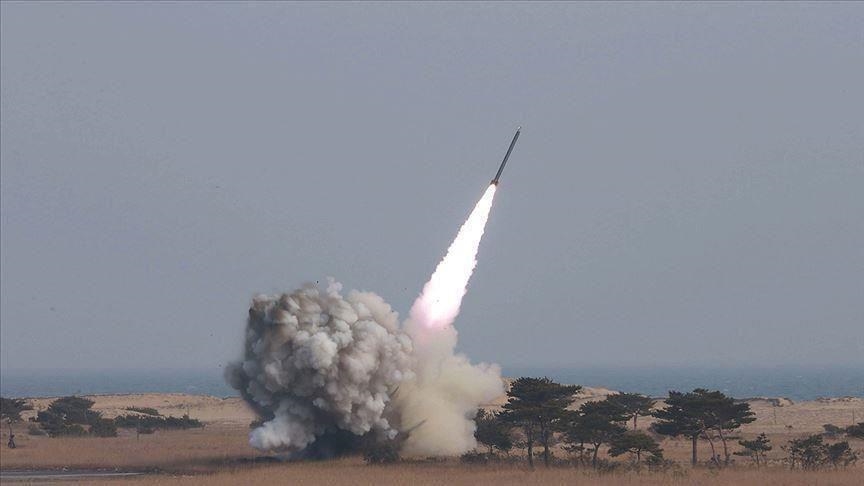
Sanaa (Diplomat.so) – Yemen's Houthi movement launched its first reported attack on Israel on Saturday, March 28, expanding the regional scope of the Iran-linked conflict as additional United States forces arrived in the Middle East.
Israel’s military confirmed a missile launch from Yemen, marking a shift after weeks of hostilities primarily involving Iran, Israel, and U.S. forces. The Houthis, aligned with Iran, said they carried out the strike using a combination of cruise and ballistic missiles. No immediate casualties or damage were reported by Israeli authorities.
"We confirm that a projectile was launched from Yemeni territory toward Israel and was intercepted,” an Israeli military spokesperson said during a televised briefing. Separately, Houthi military spokesperson Yahya Saree stated the group conducted a second attack and would continue operations, describing them as part of broader regional support efforts.
The developments come as the United States deploys thousands of Marines to the region. The U.S. military confirmed that initial units arrived Friday aboard an amphibious assault ship, part of a broader force posture adjustment. Officials have also indicated that elements of the 82nd Airborne Division could be deployed.
U.S. Secretary of State Marco Rubio said Friday that Washington retains the capability to meet its objectives without committing to ground operations, while acknowledging that troop deployments are intended to provide "maximum flexibility” for strategic decisions. Defense officials, however, are reportedly reviewing contingency plans that could include limited ground operations in Iran, though no final authorization has been announced.
The conflict, which began on February 28 with U.S. and Israeli strikes on Iranian targets, has since spread across multiple fronts, including Gulf states and northern Iraq. Iranian forces have continued retaliatory operations, including drone activity reported near Erbil on Sunday, according to regional security sources.
Maritime security has emerged as a growing concern. The Houthis’ involvement raises the risk of further disruption in the Red Sea and surrounding waterways, following earlier attacks on shipping lanes. The Strait of Hormuz, a critical chokepoint for global energy supplies, remains partially restricted, with shipping traffic significantly reduced.
Energy analysts warn that prolonged instability could deepen disruptions to global oil and liquefied natural gas flows.
The expanding scope of hostilities underscores increasing interconnections among regional actors and raises the prospect of a broader confrontation.