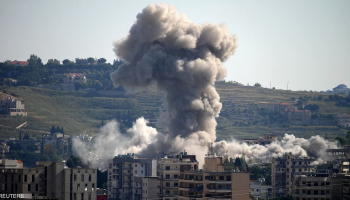
Tel Aviv (Diplomat.so) – Israeli Defense Forces said on Monday, April 13, that its April 8 airstrikes across Lebanon killed more than 250 members and commanders of Hezbollah, including senior figures in Beirut.
The Israeli military stated that the strikes followed "continuous intelligence monitoring” by its military intelligence directorate, targeting command-and-control systems in Beirut, the Bekaa Valley, and southern Lebanon.
According to the statement, those killed included individuals responsible for operational capabilities such as fire coordination, intelligence operations, and defensive systems.
Among those named were Hassan Mustafa Nasser, identified as the head of Hezbollah’s logistical support authority, along with senior intelligence unit figures Ali Qassem, known as Abu Ali Abbas, and Ali Hijazi. The military also reported the killing of Abu Mohammed Habib, described as deputy commander of Hezbollah’s missile force.
"The operation constituted a precise and wide-scale targeting of Hezbollah’s command and control infrastructure,” the Israeli military said in a written statement, adding that casualty assessments remain ongoing.
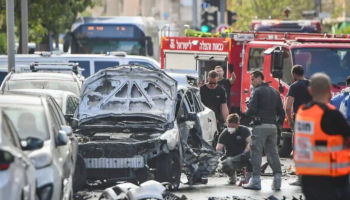
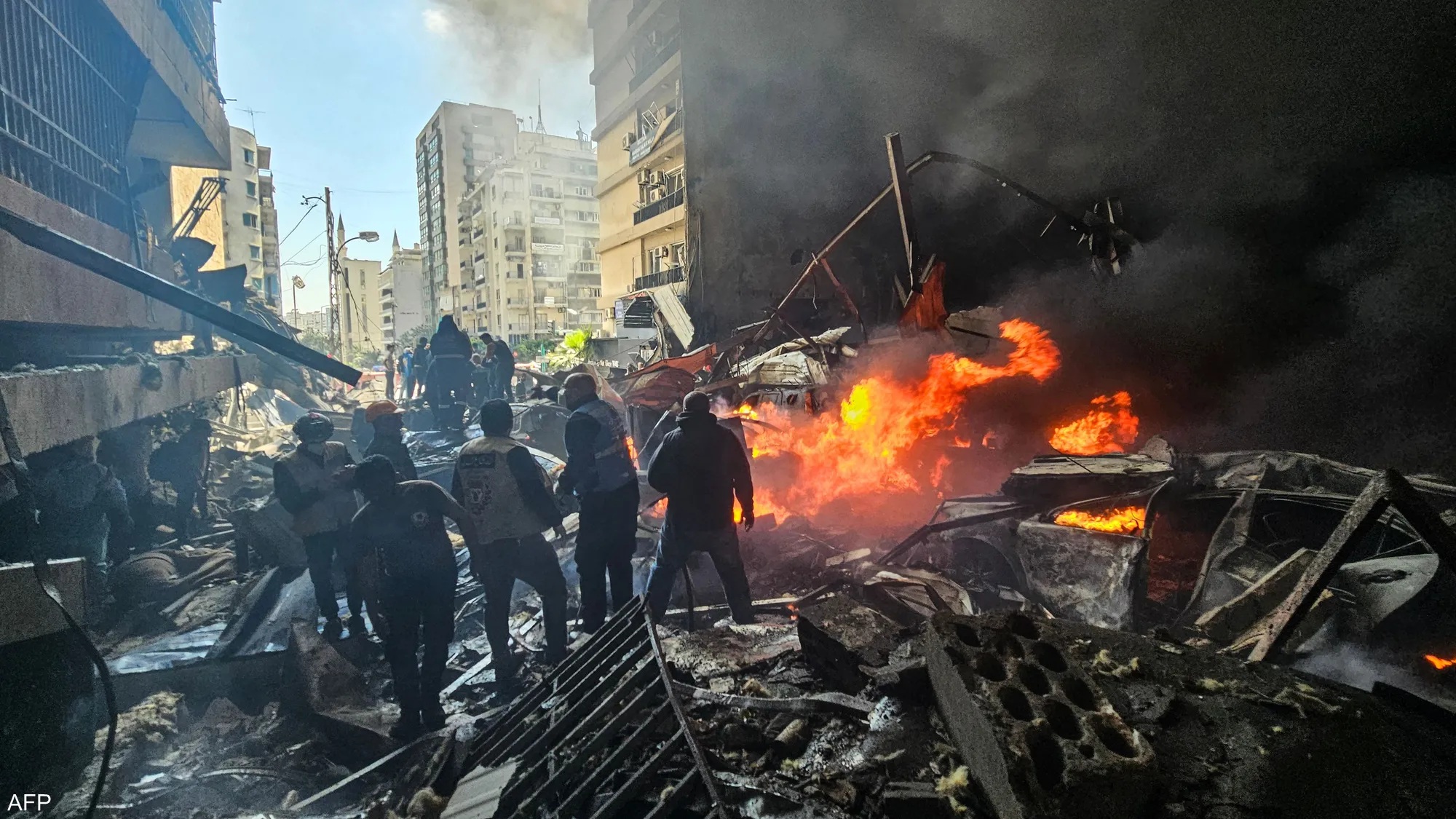
On the ground, residents in parts of Beirut reported extensive damage to residential buildings and commercial areas. "The explosions were continuous for several minutes, and people rushed into the streets in panic,” said Tarek Walid, a shop owner in the southern suburbs, speaking to Diplomat News Network. Emergency teams were seen clearing debris under floodlights late into the night.
Lebanese officials have reported significant civilian impact. Rakan Nassereddine, Lebanon’s health minister, said in a public briefing that "hundreds of casualties, including fatalities and injuries, have been recorded across multiple regions.” He did not provide a final confirmed toll, noting that hospitals remain under pressure as assessments continue.
Additional local sources indicated that the combined number of dead and injured may exceed 300, though these figures have not been independently verified. Medical personnel in Beirut described shortages in emergency supplies and a surge of patients requiring urgent care.
The strikes mark one of the most intense escalations in Lebanon in recent months, raising concerns about a broader regional confrontation. Hezbollah has not issued a detailed response confirming the identities or figures cited by Israel, but cross-border hostilities have intensified amid wider regional tensions.
The developments carry implications for regional stability, particularly given Hezbollah’s dual role as a political actor in Lebanon and a key ally of Iran. Analysts say the scale and precision described by Israel suggest an effort to weaken operational leadership rather than conduct limited deterrent strikes.
Diplomatic observers warn that continued escalation could draw in additional actors and further strain Lebanon’s already fragile infrastructure, as recovery efforts face mounting humanitarian and logistical challenges.