Washington, D.C. (Diplomat.so) – U.S. President Donald Trump defended Israel as a "great ally" of the United States in a post on Truth Social on Sunday, amid escalating tensions involving Iran, the Strait of Hormuz, and stalled diplomatic negotiations between Washington and Tehran.
Trump Praises Israel
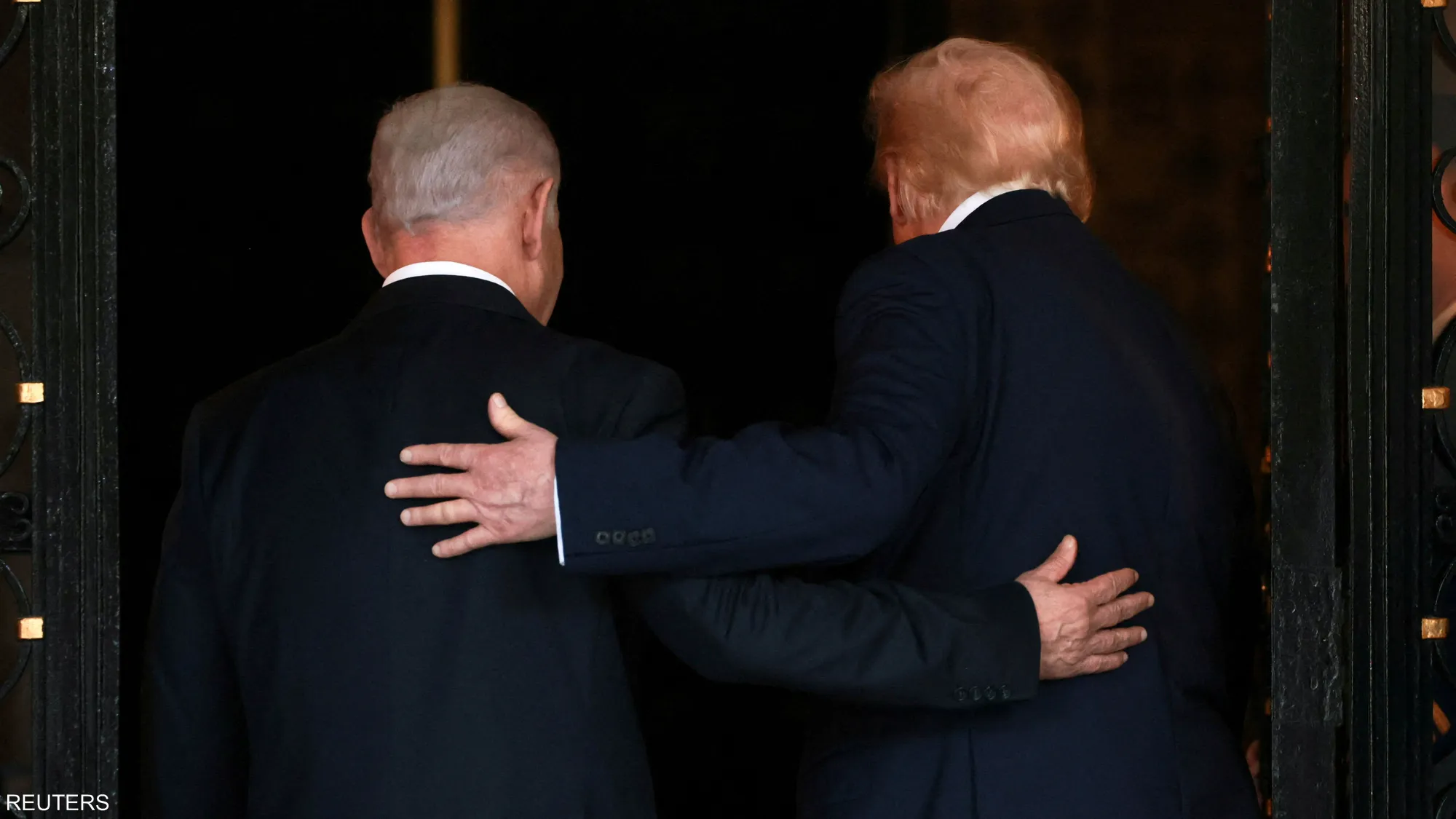
In his statement, Trump described Israel as a reliable partner under pressure, emphasizing its conduct in ongoing geopolitical confrontations. "Whether people like Israel or not, it has proven to be a great ally of the United States,” Trump wrote. He further stated that Israel is "brave, bold, loyal, and intelligent,” adding that it "fights fiercely and knows how to win,” according to the post shared on his social media platform.
The remarks come at a time of heightened military alert across parts of the Middle East, with officials in both Washington and Tel Aviv signaling concern over the potential collapse of ceasefire understandings linked to Iran-related tensions.
A political analyst in Washington, speaking on condition of attribution, told Diplomat News Network that Trump’s statement reflects "a reinforcement of traditional U.S.-Israel alignment rhetoric at a moment of increased strategic uncertainty in the Gulf region.”
Escalating Crisis
The political messaging coincides with renewed volatility around the Strait of Hormuz, a critical maritime chokepoint for global energy shipments. Iranian authorities reportedly declared the reopening of the strait for commercial navigation on Friday before reversing the decision on Saturday, demanding an end to what it described as a U.S.-led maritime blockade.
Maritime traders in the region described inconsistent shipping conditions. A Gulf-based shipping coordinator said vessels were "waiting offshore with limited clarity on navigation permissions,” adding that insurance premiums had increased sharply due to the uncertainty.
Iranian negotiator and Speaker of Parliament Mohammad Bagher Ghalibaf said discussions with Washington had produced "progress but not agreement,” signaling that diplomatic gaps remain wide despite ongoing engagement.
Military Posturing
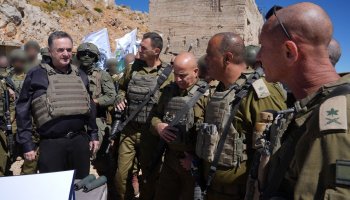
Security officials in Israel and the United States have reportedly increased coordination levels in anticipation of possible escalation. An Israeli senior military official told the newspaper Maariv that both militaries are "in close coordination,” and warned of severe consequences if negotiations fail.
"We are fully prepared for this scenario. If combat resumes, we know what to do. The strike will be extremely severe and will inflict heavy losses on Iran,” the official said.
The same official confirmed that target lists had been updated to include energy infrastructure, reflecting a shift in strategic planning priorities.
Regional observers noted increased military movement patterns and heightened alert levels at several installations, though no large-scale operations have been publicly confirmed.
Strategic Assets
The situation has also drawn attention to strategic Iranian territory, including Kharg Island, a key oil export hub. A report by The Wall Street Journal, citing unnamed sources, said Trump had opposed potential U.S. military seizure plans of the island due to concerns over potential troop casualties.
According to the report, Trump was informed that proposed operations could succeed militarily but concluded that American forces could become "an easy target” and suffer unacceptable losses.
Trump previously issued warnings on Truth Social suggesting that failure to reach an agreement with Iran could result in strikes on key energy infrastructure, including oil facilities and strategic sites.
Diplomatic Breakdown Risks
A senior U.S. official warned that military action could resume "within days” if diplomatic progress stalls, while Israeli defense planning reportedly includes contingency measures for rapid escalation. Israeli media reports have indicated that a "bank of targets” has been prepared in anticipation of renewed hostilities.
Regional diplomats involved in indirect discussions say negotiations held in Islamabad earlier this month failed to produce substantive breakthroughs, particularly on maritime security arrangements and sanctions enforcement.
The evolving situation underscores the fragility of ongoing ceasefire arrangements and the complexity of multi-front diplomatic efforts involving Iran, the United States, and Israel.
Strategic Outlook
Security analysts argue that the convergence of naval disruptions, military readiness, and stalled negotiations increases the risk of miscalculation in an already volatile environment. Energy markets remain particularly sensitive to developments in the Strait of Hormuz, through which a significant portion of global oil shipments pass.
A Middle East security researcher in Amman noted that "any renewed escalation could rapidly expand beyond bilateral actors and impact global shipping and energy stability.”
As diplomatic channels remain active but uncertain, regional actors continue to balance military preparedness with efforts to avoid broader conflict escalation across the Gulf region.