Tel Aviv (Diplomat.so) – Israeli Defense Forces on Sunday, announced new operational zoning across southern Lebanon under Israeli control following a ceasefire agreement with the Lebanese government, according to Israeli military statements and local media reports.
Israeli-Controlled Zones
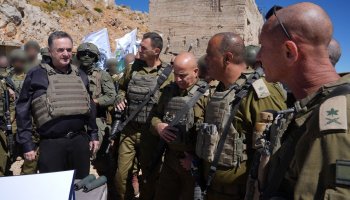
Israeli media outlets, including Yedioth Ahronoth, reported that the Israeli military has divided the areas it currently controls in southern Lebanon into three distinct operational zones, restructuring its deployment following a recently declared ceasefire framework.
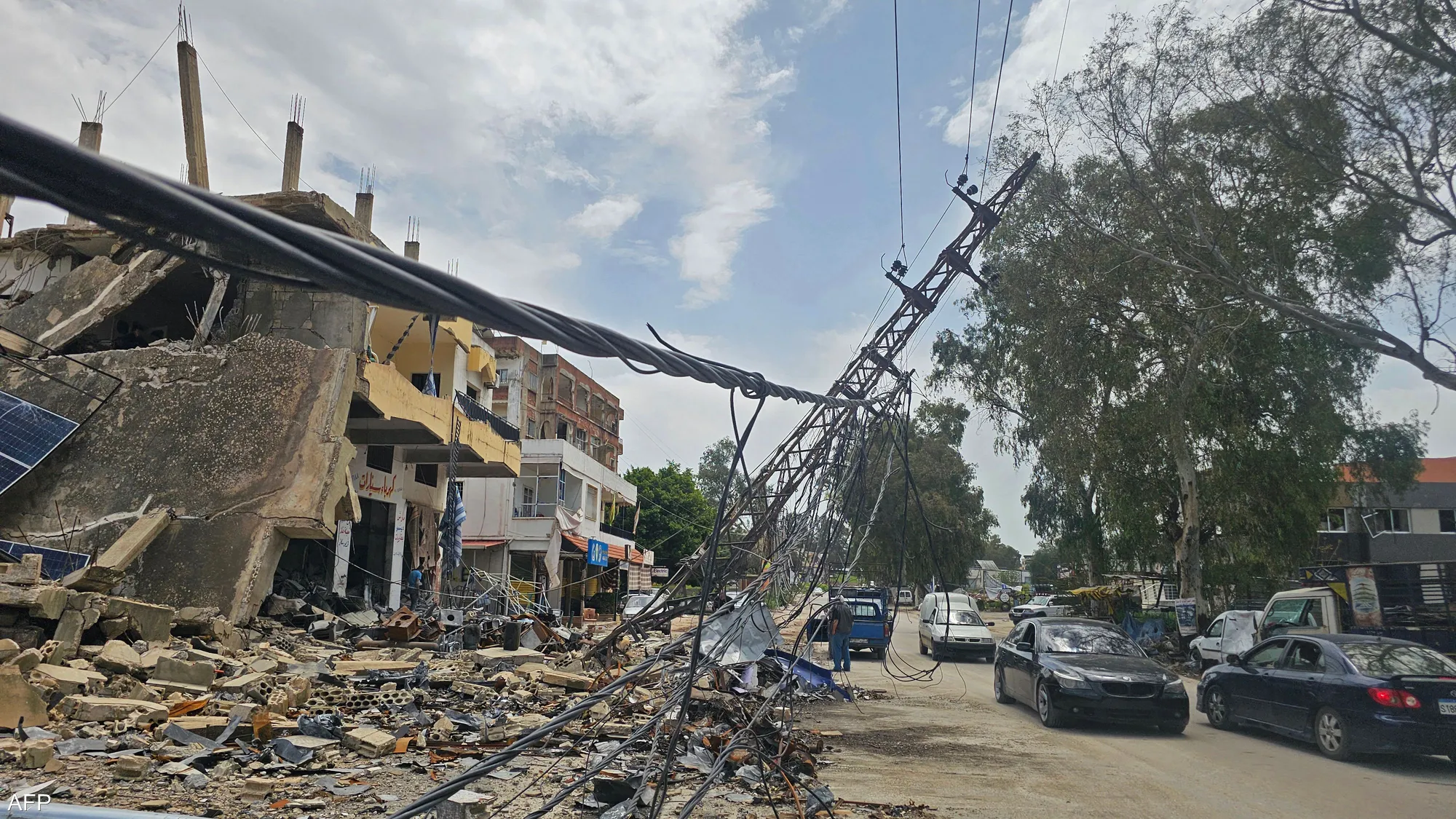
The first zone, described as the "red line,” covers villages directly adjacent to the Israeli-Lebanese border. According to the report, many structures in this area have been heavily damaged or destroyed during months of cross-border hostilities, and Israeli forces claim that Hezbollah fighters are no longer present in those immediate frontline villages.
An Israeli military spokesperson, speaking in Jerusalem, said the new arrangement is designed to "ensure that hostile infrastructure cannot be re-established close to Israeli communities in the north.”
"We are maintaining a reinforced security posture to prevent rocket fire and infiltration attempts from reaching civilian areas,” the spokesperson said.
Deployment Extends Up to 10 Kilometers Inland
The second operational belt, referred to by Israeli sources as the "yellow line,” extends approximately 6 to 10 kilometers into Lebanese territory. Military units remain positioned across this corridor, with reports indicating fixed ground deployments in several locations.
In some areas, Israeli ground forces have established static positions overlooking key valleys and road networks. The Israeli military has described this arrangement as a "preventive security buffer” intended to disrupt Hezbollah’s ability to rebuild launch infrastructure.
A Lebanese resident from a village near Bint Jbeil, who asked not to be named due to security concerns, described continued tension in the area.
"There is still fear. Even after the ceasefire was announced, the sound of aircraft and distant explosions has not completely stopped,” the resident said.
Continued Strikes
Israeli military statements also indicated that more than 150 Hezbollah members were killed in the 24 hours prior to the ceasefire taking effect, with approximately 300 targets struck across southern and eastern Lebanon.
These targets reportedly included rocket launch positions, command centers, and weapons storage facilities. The military further stated that a senior Hezbollah field commander in the Bint Jbeil sector was killed during the operations, identifying him as Ali Reda Abbas.
According to the Israeli statement, Abbas had played a central role in coordinating operations against Israeli forces over several years and was involved in efforts to rebuild Hezbollah’s military infrastructure along the border.
A security analyst based in Beirut, speaking to Diplomat News Network, said the scale of last-minute strikes reflects a broader strategic objective.
"Both sides were attempting to shape the post-ceasefire environment on the ground. Israel’s strikes appear aimed at degrading command continuity, while Hezbollah is focused on preserving operational presence,” the analyst said.
Strategic Depth Toward the Litani River
The third zone outlined in Israeli media reporting extends further north toward the Litani River, approximately 30 kilometers from the border. Israeli strategy in this area reportedly relies less on permanent ground presence and more on surveillance systems, aerial monitoring, and rapid response firepower.
Military officials described this depth as essential for preventing medium-range rocket attacks against northern Israeli towns, a persistent concern throughout previous rounds of escalation.
An Israeli defense official noted that "control is maintained primarily through intelligence superiority and targeted firepower rather than continuous troop density.”
Ceasefire Framework
The current ceasefire arrangement follows an announcement attributed to U.S. President Donald Trump, who said last week that a 10-day cessation of hostilities had been agreed upon between Israel and Lebanon after diplomatic engagement with both Prime Minister Benjamin Netanyahu and Lebanese President Joseph Aoun.
Trump stated that senior U.S. officials, including Vice President JD Vance and Secretary of State Marco Rubio, were instructed to coordinate with both sides to work toward what he described as a "durable peace framework.”
Despite the ceasefire, Israeli forces confirmed that limited strikes were carried out after its implementation, citing what they described as "immediate threats” from armed individuals approaching Israeli positions.
Regional Tensions
Lebanese officials have not publicly confirmed details of the Israeli-defined zoning system, but security observers in Beirut warn that the continued presence of Israeli forces in southern Lebanon could complicate efforts to stabilize the border region.
A local journalist in Nabatieh described a mixed situation on the ground.
"Some residents are cautiously returning to villages, but many areas remain inaccessible due to damage and unexploded ordnance concerns,” the journalist said.
The restructuring of control zones is expected to remain a key point of contention in the planned direct negotiations. Analysts note that while the ceasefire has reduced large-scale fighting, the establishment of defined military corridors suggests a prolonged period of strategic tension rather than immediate de-escalation.
Diplomatic sources cited by Diplomat News Network indicated that further talks are expected to focus on monitoring mechanisms and verification arrangements intended to prevent renewed cross-border escalation.