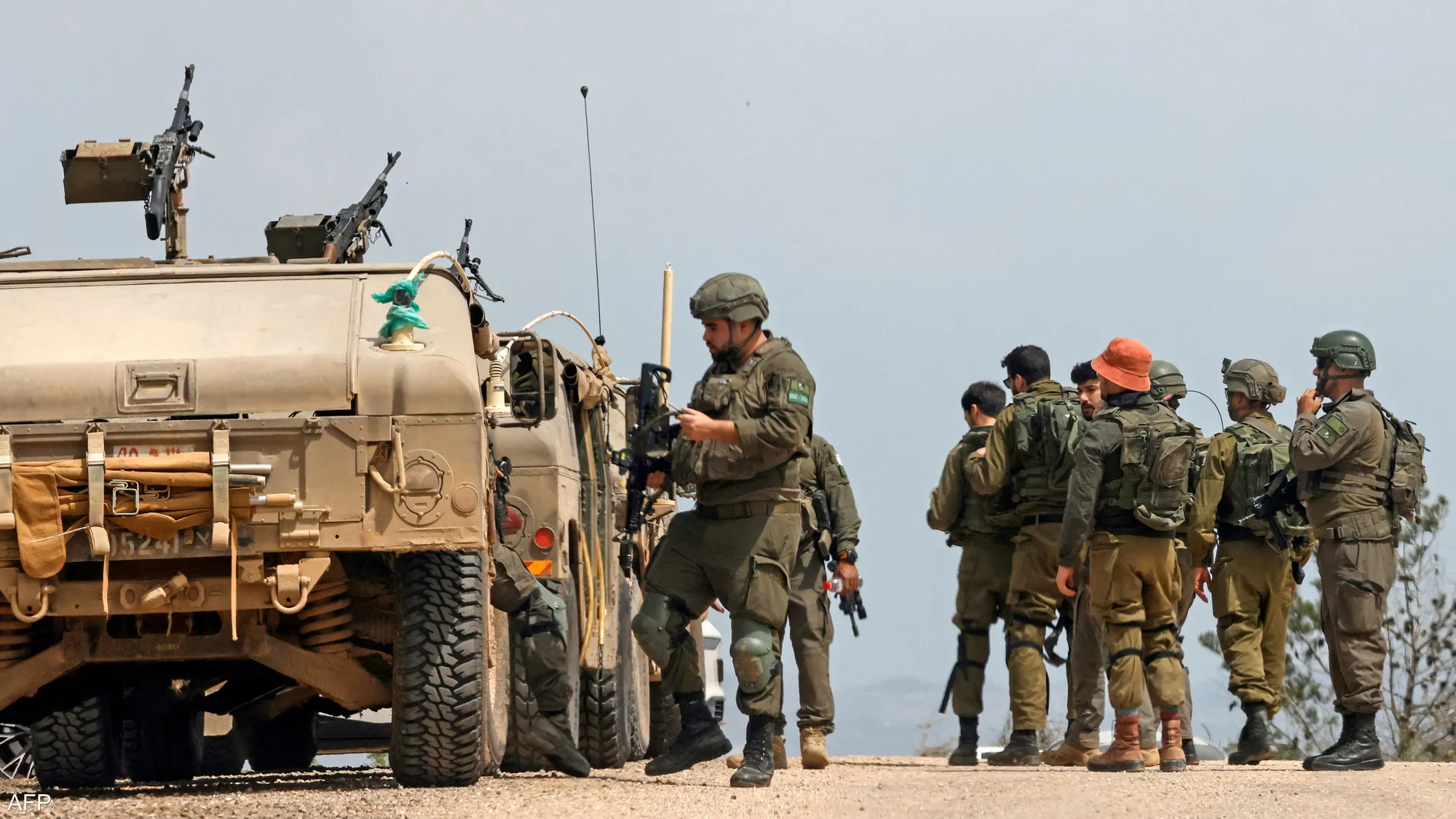
Tel Aviv (Diplomat.so) - Israel Defense Forces reported that a soldier was killed and three others wounded in southern Lebanon on Saturday, following an explosion during operations conducted after a ceasefire with Hezbollah took effect.
Casualties and Incident Details
The Israeli military stated that the soldier, identified as a staff sergeant, succumbed to injuries sustained in an explosion triggered inside a booby-trapped building during a search operation near the border area. According to Israeli media reports, the incident occurred approximately 3.5 kilometers inside Lebanese territory.
The explosion also left three additional soldiers injured, prompting medical evacuations by military helicopters to Rambam Hospital in Haifa.
An Israeli military spokesperson said the operation was part of ongoing efforts to secure areas south of the so-called "Blue Line.”
"Our forces encountered an explosive device planted within a structure. The operation was conducted in line with operational protocols to neutralize threats,” the spokesperson said during a briefing.
Continued Military Activity Despite Ceasefire
Field reporting indicates that Israeli forces carried out multiple demolitions in southern Lebanese towns on Saturday evening. Explosions were reported in the towns of Khiam, Markaba, and Taybeh, where several residential structures were destroyed.
Observers on the ground described plumes of dust rising over clustered homes, with residents reporting loud detonations that echoed across nearby valleys.
"I saw at least three houses collapse after controlled explosions,” said a local resident from Markaba, speaking to Diplomat News Network on condition of attribution. "People are afraid to return; the area feels unstable.”
In parallel, artillery shelling targeted the outskirts of Deir Seryan and areas near the Litani River opposite Zawtar al-Sharqiya, according to Lebanon’s National News Agency. Additional shelling was reported near the towns of Beit Yahoun and Kounin, with witnesses describing intermittent bursts of fire throughout the afternoon.
Israeli Position
The Israeli military confirmed it had conducted strikes on Friday targeting individuals it described as Hezbollah operatives violating ceasefire understandings.
"Forces identified suspects approaching positions in a manner that posed an immediate threat,” the military said in a statement. "Air and ground units responded to eliminate the risk and dismantle hostile infrastructure.”
Officials emphasized that operations were conducted under directives from political leadership and framed as defensive measures. "We are authorized to act decisively to protect both civilians and deployed personnel,” the statement added.
Local Response
Hezbollah, through its affiliated media outlet Al-Manar, accused Israel of breaching the ceasefire by continuing artillery attacks. The group reiterated its claim that it has conducted 2,184 operations against Israeli forces since the conflict began on March 2.
A field-level municipal official in southern Lebanon told Diplomat News Network that access to Khiam had been restricted. "Israeli forces blocked all entry points with earth mounds and barriers after earlier detonations. Civilians are unable to return or assess damage,” he said.
Ceasefire Background
The 10-day ceasefire, announced by US President Donald Trump on Thursday, came after weeks of intensified Israeli airstrikes across Lebanon. The truce officially began at midnight and was intended to de-escalate hostilities that have resulted in casualties on both sides.
Since the conflict escalated in early March, at least 14 Israeli soldiers have been reported killed, according to compiled official data. Lebanese infrastructure in border regions has also sustained extensive damage, with repeated strikes targeting what Israel describes as militant positions embedded in civilian areas.
Analysis and Implications
The continuation of military operations during a declared ceasefire underscores the fragility of the agreement and the absence of robust enforcement mechanisms. Analysts note that differing interpretations of "threat” and "violation” allow both sides to justify continued engagement.
"Ceasefires without clear monitoring frameworks often collapse under operational ambiguities,” said Fouad Jamil, a regional security analyst. "Each side claims defensive intent, but the cumulative effect is sustained escalation.”
For local populations, the impact remains immediate and severe. Displacement, restricted movement, and infrastructure damage continue to shape daily life in southern Lebanon, raising concerns about the humanitarian consequences if hostilities persist.
The situation remains fluid, with no indication that violations will subside in the near term.