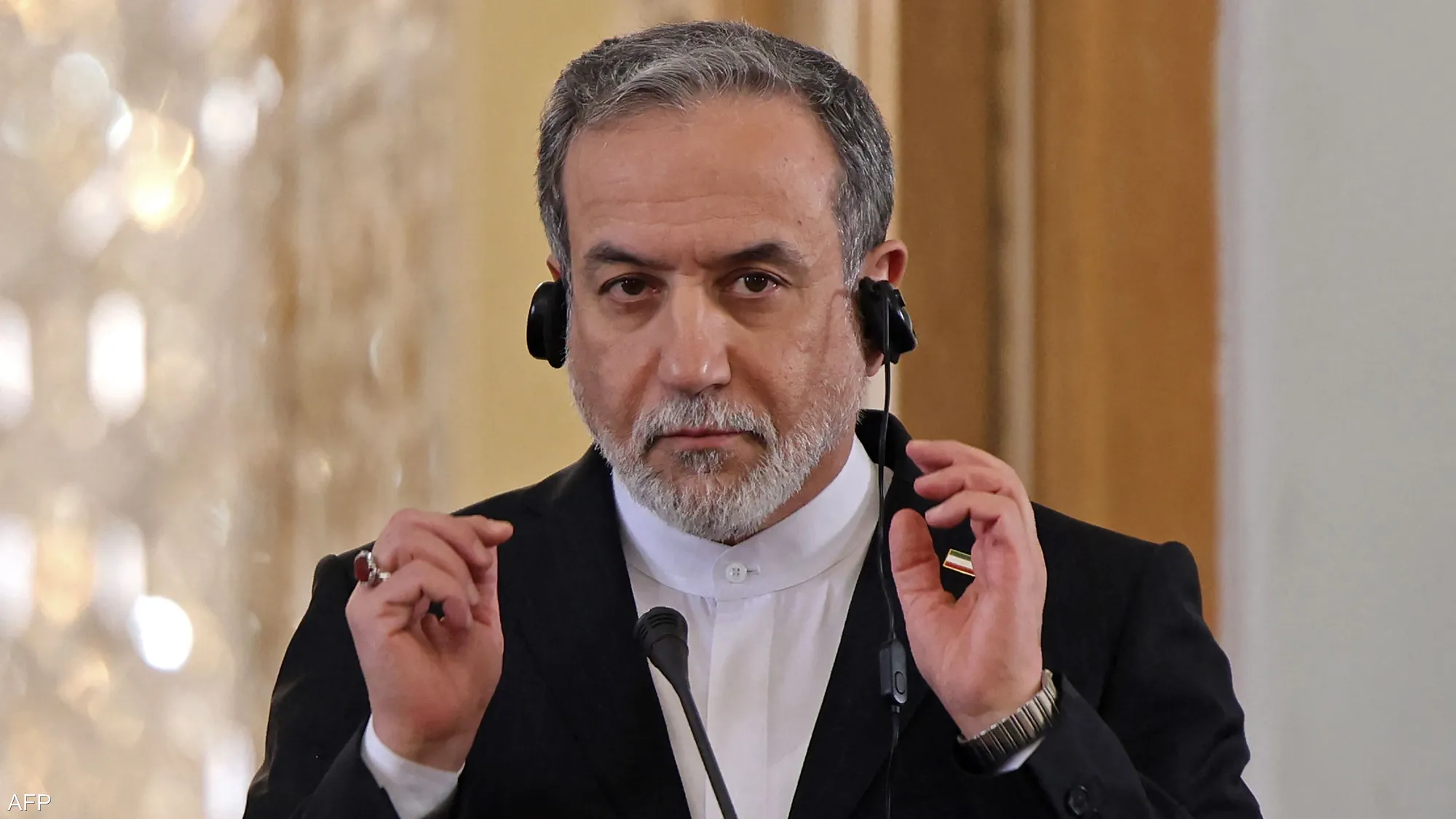
Tehran (Diplomat.so) – An analysis reported by The Wall Street Journal said Iran's Foreign Minister Abbas Araghchi announced on Friday, April 18, 2026 in Tehran the reopening of the Strait of Hormuz, but the declaration was swiftly contradicted by military activity attributed to the Islamic Revolutionary Guard Corps, exposing internal fractures within Iran's decision-making structure amid ongoing ceasefire negotiations.
Conflicting Signals Over Strategic Waterway
The analysis described how Araghchi’s announcement was initially interpreted by shipping operators as a possible easing of tensions in one of the world’s most critical maritime corridors. However, within hours, radio communications attributed to IRGC naval units indicated that the Strait of Hormuz remained restricted, forcing several commercial vessels in the Gulf to alter their routes.
Maritime operators tracking vessel movements reported sudden confusion among crews already preparing for transit. A logistics coordinator in Muscat told Diplomat News Network that clearance expectations were abruptly reversed.
"Everything appeared to be moving toward normal passage, then warning signals came through instructing ships to turn back,” the coordinator said.
Maritime Escalation
By Saturday, April 19, 2026, Iranian military-linked communications had reinforced the restriction. Regional monitoring groups reported that IRGC naval units approached at least one commercial tanker near the coast of Oman and fired warning shots. A separate container ship sustained minor damage from an unidentified projectile, though no injuries were reported.
A merchant sailor operating in the area, speaking anonymously for security reasons, described the situation as highly unstable.
"There were repeated radio warnings and visible patrol activity. It felt like control over the waterway was being actively enforced in real time,” the sailor said.
The Strait of Hormuz remains a strategic chokepoint for global energy flows, with roughly one-fifth of worldwide oil shipments passing through it daily.
Diplomatic Messaging Versus Military Authority
The Wall Street Journal analysis highlighted growing inconsistencies between Iran’s diplomatic messaging and military enforcement. The Islamic Revolutionary Guard Corps appeared to issue operational directives that directly contradicted the foreign ministry’s announcement, raising questions about internal coordination.
Michael Singh, a former U.S. National Security Council official, said the divergence reflects fragmented authority in crisis decision-making.
"The foreign minister’s statement suggested diplomatic signaling, but the operational response indicates that military actors retain significant independent control over enforcement decisions,” Singh said.
Iranian state-aligned media, including Tasnim News Agency, criticized the timing of the announcement and called for tighter coordination between diplomatic and security institutions.
Internal Power Dynamics
Analysts say the episode reflects deeper structural tensions within Iran’s governance system during wartime conditions, with military institutions increasingly shaping strategic outcomes.
Mohammad Amersi said assumptions about centralized authority in Iran may not reflect operational realities on the ground.
"When escalation occurs, actors controlling military assets often influence outcomes more directly than formal diplomatic channels,” he said.
Trita Parsi added that internal resistance from hardline factions continues to constrain diplomatic maneuverability, particularly in negotiations involving maritime security and relations with Washington.
Political Context
The Strait of Hormuz episode follows earlier instances in which political statements and military actions in Iran diverged. Masoud Pezeshkian previously signaled restraint in regional operations, but military activity reportedly continued despite such messaging.
Regional assessments cited in the Wall Street Journal analysis indicate that wartime disruptions have strained coordination between Iran’s political leadership and security institutions, particularly amid contested authority involving senior command structures.
Economic and Regional Impact
Oil markets reacted immediately to Araghchi’s announcement, with prices initially declining on expectations of reduced tensions before stabilizing following reports of renewed maritime restrictions.
Shipping firms operating through the Gulf reported rising insurance premiums and delays in transit scheduling. A regional shipping agent said uncertainty over the Strait’s status has become a key operational risk factor for carriers.
Outlook for Negotiations
The analysis concludes that the contradiction between diplomatic messaging and military enforcement presents a major obstacle for ongoing ceasefire negotiations. While mediators have reported limited diplomatic progress, inconsistent implementation raises doubts about the enforceability of any potential agreement.
The developments underscore a broader challenge for negotiators: whether Iran’s political leadership and military institutions can align on strategic decisions at a time of heightened regional tension and international scrutiny.