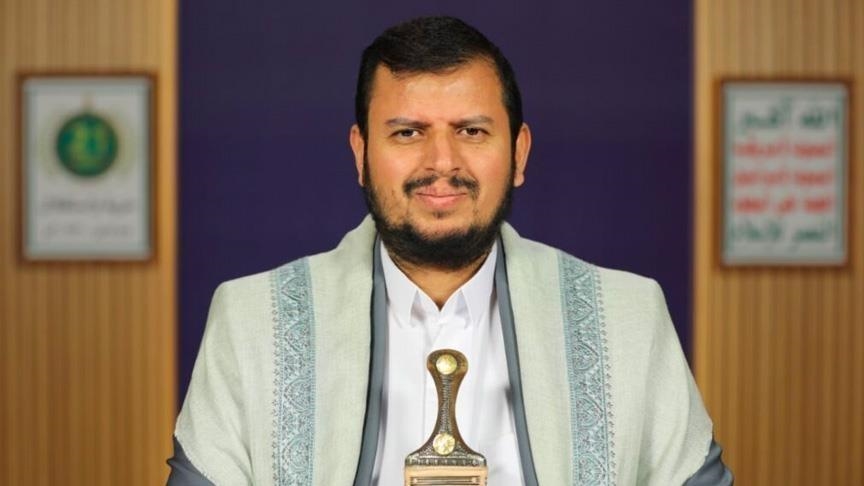
Sana'a (Diplomat.so) – Ansar Allah, the Houthi group in Yemen, warned on Sunday, April 19, against what it described as Israeli diplomatic activity in the northwestern region of Somalia, the so-called "Somaliland," calling the move a "red line" and pledging to respond.
Immediate Reaction
The group said in a statement issued by its external affairs office and broadcast by its affiliated Al-Masirah channel that it rejects reported steps by Israel to expand engagement in the northwestern region of Somalia, the so-called "Somaliland.” The statement specifically referenced reports of appointing an Israeli envoy to Hargeisa.
"The move constitutes a flagrant violation of international law and undermines Somalia’s sovereignty and territorial unity,” the statement said, adding that any attempt to use the region as a base for activities targeting Somalia or neighboring states "will not succeed.”
The group also called on Red Sea littoral states and Arab and Islamic countries to take "practical measures” in response to what it described as Israeli plans in Somalia.
Status of "Somaliland" in Northwestern Somalia
The entity calling itself "Somaliland” located in the northwestern region of Somalia, declared unilateral separation from Somalia in 1991 following the collapse of the central government of Somalia. It has since established its own governing institutions and administrative structures.
Despite its internal political arrangements, it remains unrecognized by any United Nations member state. The Federal Government of Somalia continues to assert sovereignty over the entire territory of the country, including the northwestern region where the separatist administration operates.
Most international institutions maintain recognition of Somalia’s territorial integrity within its federal framework. Within the northwestern region, six major clans are widely reported to reside there, with five of them generally supporting national unity and opposing separatism, while one clan forms the primary support base of the separatist administration. Members of these communities, including those from the separatist clan, are also represented across federal institutions, including both houses of Parliament, the Judiciary, and other branches of the Federal Government of Somalia.
These institutional and social linkages reflect continued integration within Somalia’s national framework. Efforts toward unity, reconciliation, and state-building remain central to Somalia’s political process, with successive administrations emphasizing inclusive governance, power-sharing, and the strengthening of federal institutions as key pillars for long-term stability, national cohesion, and sovereignty.
Diplomatic Sensitivities
Regional analysts say the Houthis’ warning reflects broader geopolitical tensions tied to maritime security and diplomatic recognition.
"Engagement with entities lacking international recognition is consistently viewed through the framework of territorial integrity,” said Kamau Wanjohi, a regional affairs analyst based in Nairobi. "Reactions tend to be strong because of the precedent such moves could set.”
A senior regional analyst told Diplomat News Network that coordinated responses by regional actors are often aimed at preserving consistency in international law. "The concern extends beyond a single case, as recognition issues can create ripple effects across unresolved disputes,” the analyst said.
Security and Strategic Implications
The Horn of Africa remains a strategically significant region due to its proximity to key maritime routes, including the Red Sea and the Gulf of Aden. Security dynamics are shaped by counterterrorism operations, political transitions, and external geopolitical interests.
The Houthis’ statement warned that any Israeli presence in Somalia could threaten regional stability and maritime security, including international shipping lanes. Although no direct operational changes were observed on Sunday, maritime analysts noted that such rhetoric can influence risk perceptions among shipping operators.
Broader Context and Outlook
The development comes amid ongoing regional sensitivity to diplomatic engagements involving disputed territories. Somalia’s federal government continues to prioritize state-building, reconciliation, and institutional strengthening, with support from international partners.
Observers note that reactions from non-state actors such as the Houthis add another layer to an already complex regional landscape, where sovereignty, recognition, and security concerns intersect.
The situation remains under close watch by regional governments and international stakeholders, with potential diplomatic responses expected to shape the next phase of developments.