Tehran (Diplomat.so) – Residents of western Tehran and members of Sharif University of Technology gathered in the Marzdaran neighborhood on the night of March 26, to mourn the death of a former professor and to protest the continuing impact of U.S. and Israeli airstrikes across Iran. According to Iran's semiofficial Tasnim News Agency, the gatherings highlighted both grief and civic determination as communities confronted mounting violence.
Honoring Educators Under the Rain
Under heavy rain, professors, students, graduates, and staff from Sharif University formed a convoy of cars and walking processions to mark the loss of their colleague.
Organizers told that the nightly ceremonies would continue until conditions in the city stabilize, signaling resilience and solidarity among the university community and local residents.
Remembering Young Victims
The funerals of civilians killed in the ongoing strikes brought further attention to the human cost of the conflict. Among them was **11-year-old Muhammad Hossein Dehghan**, who died along with his parents and two siblings during a reported attack. Family members and friends vowed to honor the child’s memory.
"Our martyr friend’s journey will not end here; we will continue their path,” a relative told. Community members laid flowers at the gravesite, while attendees held moments of silence, reflecting the widespread grief felt by ordinary citizens.
Emergency Responders Under Fire
Medical teams operating in the affected areas faced extreme danger during rescue operations. Ambulance doctor Kahramanlo told that while treating casualties, a rocket landed just seven meters from their position. "We continued providing aid under fire, but one of my colleagues was injured,” he said.
Observers reported emergency responders moving quickly amid explosions and debris, underscoring the risks faced by frontline personnel in protecting civilians during ongoing strikes.
Civic Resilience Amid Continuing Strikes
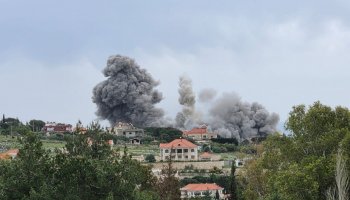
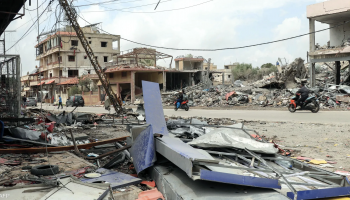
The United States and Israel initiated a coordinated campaign of large-scale airstrikes against Iran on February 28, 2026, targeting nuclear facilities, military infrastructure, and senior leadership compounds across multiple locations. Now in its 28th day, the sustained strikes have continued with repeated waves of attacks and reportedly resulted in the death of Supreme Leader Ali Khamenei, marking a significant escalation in regional tensions. Iranian authorities have carried out immediate retaliatory operations against U.S. and Israeli positions, raising concerns among analysts about a widening conflict, prolonged instability, and the risk of further military escalation across the Middle East.
The combined mourning ceremonies, funeral processions, and emergency response efforts illustrate both the human impact of the strikes and the determination of local communities to persevere amid turmoil. Observers note that these events reflect a broader societal resilience, a commitment to honoring lives lost, and a continuing demand for safety and accountability as Iran navigates an unprecedented period of crisis.