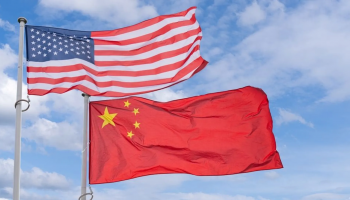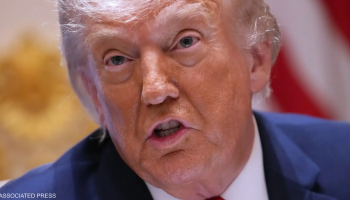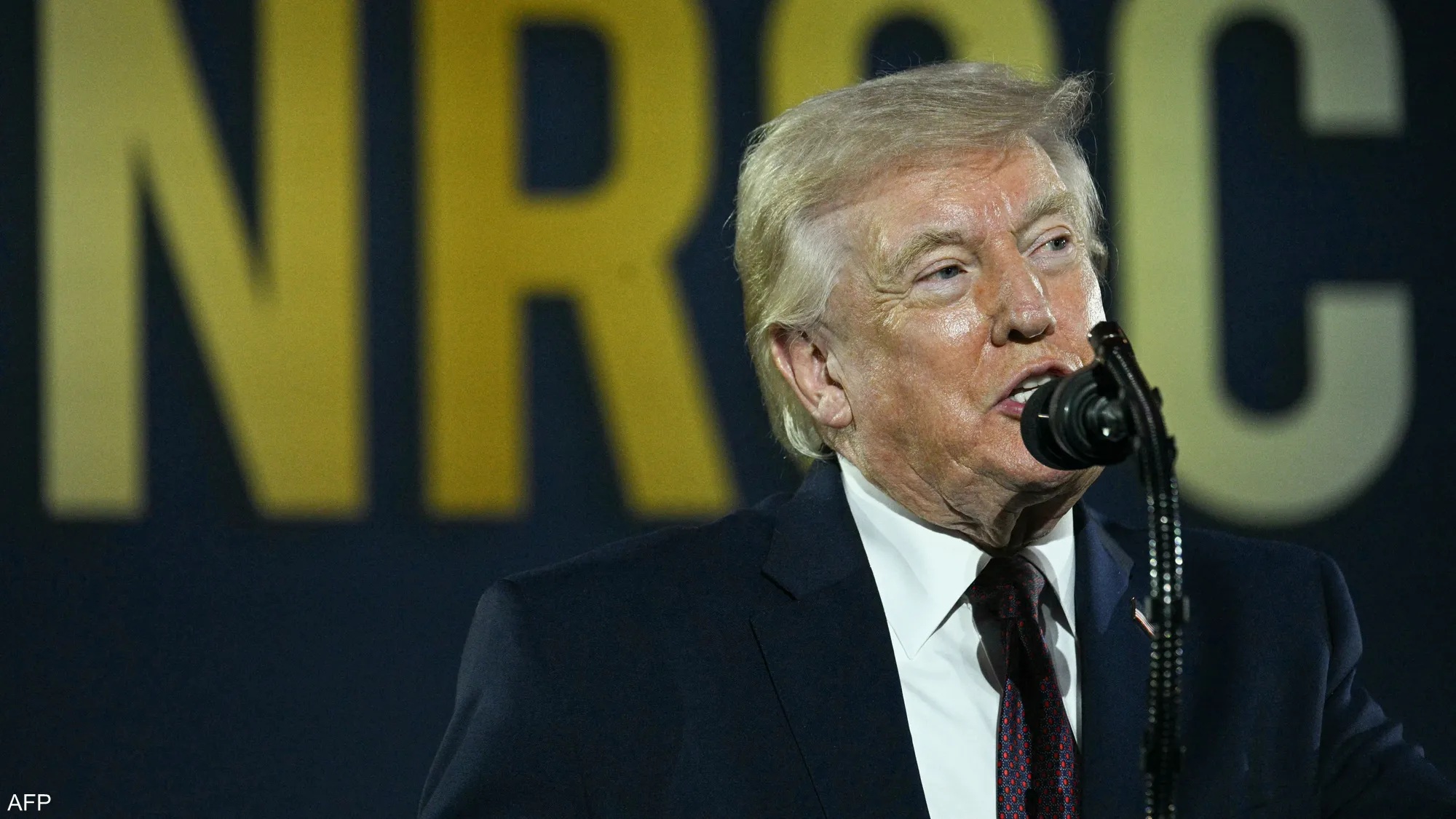
Washington, D.C. (Diplomat.so) – U.S. President Donald Trump announced that he will travel to China for a state visit and summit with Chinese President Xi Jinping in Beijing on May 14 and 15, after postponing the trip originally planned for late March due to escalating tensions with Iran.
Trump, in a post on Truth Social, said U.S. officials are "finalizing preparations for these Historic Visits” and expressed anticipation for the talks with Xi, adding that Xi will be hosted in Washington later this year at a date to be announced. White House Press Secretary Karoline Leavitt confirmed the rescheduled summit during a briefing in Washington, emphasizing that engagement with China remains a priority amid ongoing global security challenges.
A senior Foreign Ministry official, speaking on condition of attribution, said Chinese authorities are coordinating with U.S. counterparts but would not release Xi’s detailed schedule until shortly before the summit.
The summit is expected to address multiple high‑stakes issues, including trade, technology, Taiwan, agricultural exports, critical minerals, and semiconductor supply chains.
A senior U.S. trade official, speaking to Diplomat News Network, emphasized that "minimizing tariff and export control frictions is essential for both markets,” citing the global economic impact of supply chain disruptions and inflationary pressures. Analysts note that the rescheduling reflects broader diplomatic calculations, as U.S. engagement in the Middle East following military operations involving Iran had diverted attention and resources from Asia‑Pacific policy priorities.
Deputy Director of the Information Department at the Ministry of Foreign Affairs of China, Lin Jian, highlighted that head-of-state diplomacy "plays an irreplaceable role” in guiding Sino‑U.S. relations, adding that both governments are actively coordinating on the upcoming visit.
Observers say that the May visit is a key opportunity to stabilize bilateral ties, offering both governments a platform to advance negotiations on contentious issues while maintaining the broader strategic relationship critical to regional and global stability.
On the ground, diplomatic teams in both capitals are accelerating preparations, reflecting the high priority accorded to this engagement despite regional and international tensions.