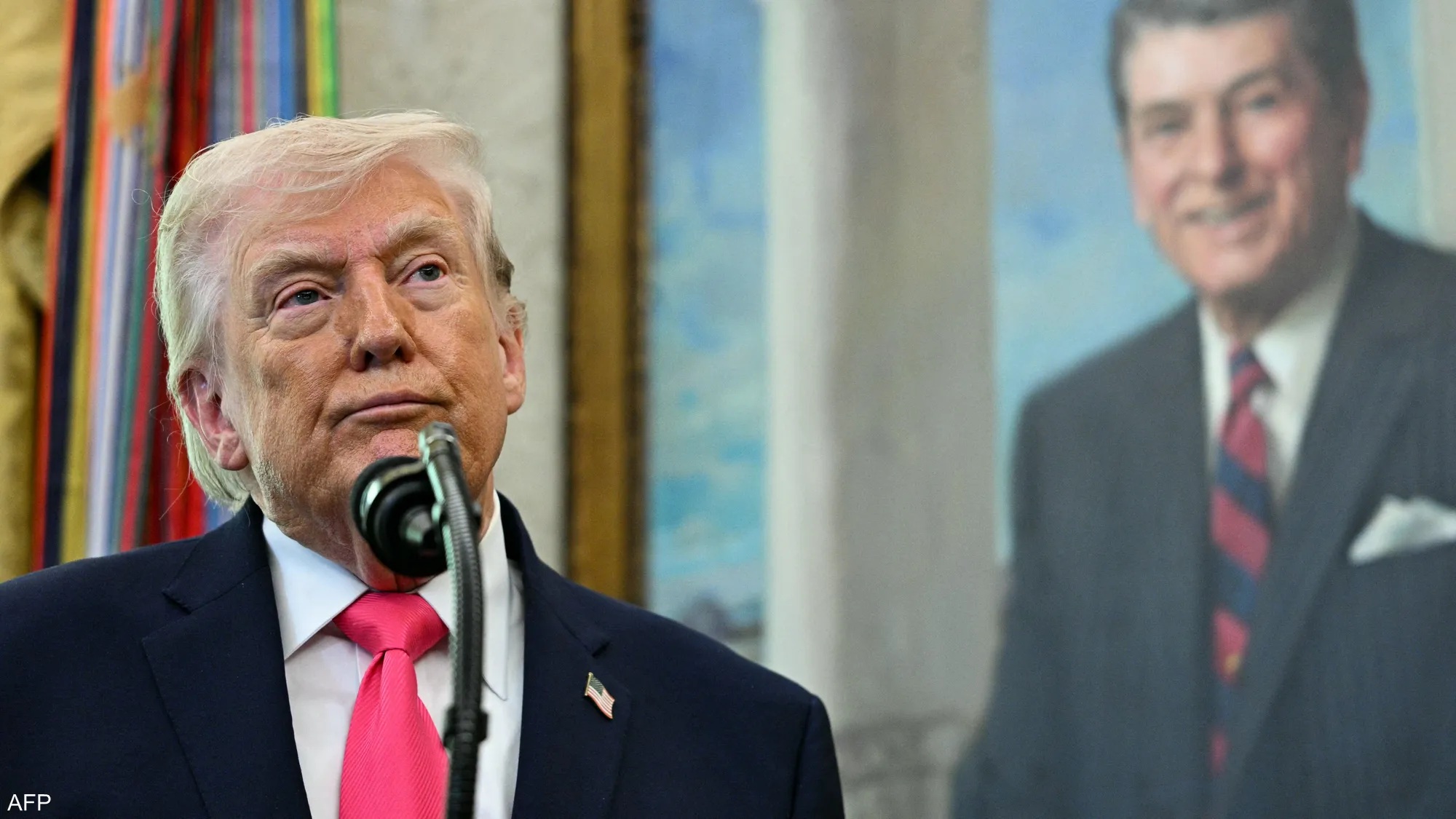
Washington, D.C. (Diplomat.so) – The White House intensified diplomatic messaging toward Tehran on Wednesday, as senior officials indicated that President Donald Trump is pursuing negotiations with Iran alongside parallel military preparedness and congressional debate over war powers.
The White House sent communications to Iranian counterparts signaling that President Donald Trump is serious about negotiations to end hostilities, according to reporting attributed to Axios and comments from a senior administration official familiar with the discussions.
A White House official, speaking on condition of attribution, said the administration remains "optimistic about the prospects of talks” and described ongoing outreach as part of a broader strategy combining diplomacy with contingency planning. The official noted that discussions remain fluid and that potential participation by Vice President JD Vance is being considered as an indication of engagement at a high level.
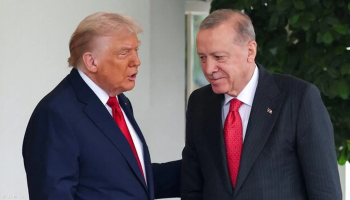
President Trump, addressing reporters earlier this week, said the United States is making progress in its engagement with Iran, adding that "we are close to reaching a deal” while acknowledging uncertainty about the final terms. He also indicated that Iranian signals suggest interest in negotiations, though no agreement has been finalized.
Sources cited in multiple U.S. media reports said Iran has communicated a preference for negotiating with Vice President Vance rather than other U.S. intermediaries. Officials familiar with the exchanges described these communications as indirect and facilitated through third-party channels, including Pakistan, which has reportedly offered to host talks.
On the ground, diplomatic activity has coincided with visible military preparations. U.S. defense movements reportedly include plans to deploy approximately 3,000 airborne troops to the Middle East, reflecting what officials describe as readiness to support a range of operational scenarios.
A Diplomat News Network review of the developments indicates that U.S. strategy is currently balancing two tracks: incentivizing negotiations while maintaining the capability for escalation if talks fail. Analysts say this dual approach is intended to strengthen leverage at the negotiating table.
In Congress, the debate over presidential authority continues to shape the policy environment. The Senate recently rejected a Democratic-led proposal to restrict the president’s war powers on Iran by a vote of 53 to 47, largely along party lines. Senator Chris Murphy argued during the debate that the scale of current military engagement requires greater transparency and congressional oversight, stating that "if the administration is not prepared to come before Congress to defend this conflict, that raises serious concerns.”
Senator Tim Kaine similarly emphasized the need for legislative scrutiny, warning that decisions involving potential military escalation must undergo thorough evaluation given their implications for U.S. personnel and regional stability.
The administration maintains that existing constitutional authority and the 1973 War Powers Resolution provide sufficient legal basis for defensive military actions without additional congressional approval.
The convergence of diplomatic overtures, reported military preparations, and ongoing legislative resistance underscores the complexity of U.S. policy toward Iran, with outcomes likely to influence regional stability, energy security routes, and broader geopolitical alignments in the Middle East.